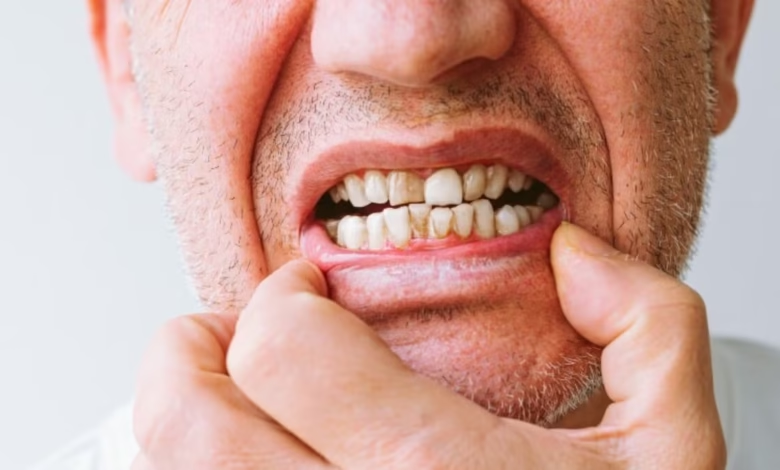
Enamel erosion often develops quietly, long before cold drinks trigger a sharp reaction. Because enamel has no nerves, early damage can progress without pain, so people miss the chance to adjust habits while the change is still small. Acid exposure from diet, dry mouth, reflux, and frequent sipping can soften the outer surface, and daily brushing can then wear it down faster than expected. The good news is that the mouth usually shows subtle clues before sensitivity begins. When you know what to look for, you can act sooner by adjusting routines, discussing risk factors with your dental team, and protecting your teeth during higher-risk seasons. Paying attention early helps you avoid cosmetic changes, biting discomfort, and more involved treatments later.
Signs to notice early
- Changes in shine, texture, and color at the edges
One of the earliest clues is a shift in how teeth catch the light. Healthy enamel tends to look smooth and slightly glossy, while early erosion can make areas appear dull or chalky, especially near the gumline or on biting edges. You might notice a faint whitening that looks like a dry patch, or a matte zone that does not match the rest of the tooth. Texture can change, too. If you run your tongue along the front teeth and feel tiny rough spots, shallow ripples, or a less glassy surface, that can signal softening and wear. Color changes may first appear at the edges because enamel is thinnest there. As the outer layer thins, the underlying dentin may begin to show through, appearing warmer and slightly yellow. This is not always a hygiene issue, and it can happen even when brushing is consistent. Watching for these small visual and tactile changes can help you catch erosion before it becomes obvious.
- Subtle shape shifts and new translucency without pain
Enamel erosion can also change tooth shape in ways that feel normal at first. The biting edges of the front teeth may look more transparent, as if the tips are turning see-through. That translucency often appears before any sharp sensation because it reflects thinning enamel rather than nerve irritation. Some people notice tiny chips that seem to form easily, or edges that look flatter than in older photos. Back teeth can develop slight cupping on the chewing surfaces, where small dips form and then collect stain over time. If you see shallow, rounded hollows on molars that weren’t there before, it may be an erosion clue rather than a cavity pattern. A dental visit can help confirm what is happening, and resources like https://www.camdendental.ca/ can also help you understand common causes and prevention steps to discuss at an appointment. Shape changes matter because they can alter how teeth meet, increasing wear during chewing, even if you never feel a jolt of sensitivity.
- Morning mouth clues and habits that speed erosion
Sometimes, the first warning signs show up in how your mouth feels rather than how your teeth look. Waking with a dry, sticky mouth can increase the risk of erosion because saliva normally dilutes acids and helps minerals reattach to enamel after meals. If you often wake up thirsty, breathe through your mouth at night, or take medications that reduce saliva, your enamel may be less protected during long overnight hours. Another quiet clue is frequent throat clearing, sour taste, or morning hoarseness, which can accompany reflux that exposes teeth to acid without obvious heartburn. Diet patterns matter too. Sipping acidic drinks slowly, grazing on citrus, sports drinks, soda, or flavored water through the day creates repeated acid attacks with little recovery time. Even healthy choices can contribute when timing is consistent, such as keeping lemon water at a desk all afternoon. If you brush right after acidic foods, the enamel may be softer in that window, making surface loss more likely. These early signs and routines often exist for months before sensitivity begins, so spotting them early can change the outcome.
Simple prevention steps today
Enamel erosion rarely starts with pain, so the earliest clues are often visual, tactile, or tied to daily patterns. Dull patches, increased translucency, slight shape changes, and gumline grooves can all show up before sensitivity. Dry mouth, reflux-related symptoms, frequent sipping of acidic drinks, and brushing too soon after acids can quietly speed the process. If you notice these signs, small changes can help, such as reducing acid intake, rinsing with water after acidic foods, waiting before brushing, and using a gentle technique. Regular dental checkups matter because a clinician can spot early signs of erosion, discuss causes, and recommend protective measures based on your risk factors. Acting early keeps enamel stronger longer and helps you avoid the point where discomfort becomes the first signal that something changed.