Winter demand puts heating and plumbing under pressure at the same time. As outdoor temperatures drop, a home needs longer heating cycles to maintain comfort, while the plumbing faces colder supply water, higher hot-water use, and a greater risk of freezing in exposed lines. These systems are connected through fuel or electrical capacity, shared mechanical spaces, ventilation pathways, and water-delivery hardware, such as boilers, water heaters, and circulator pumps. When both systems are working hard, small weaknesses become obvious, such as low hot-water volume, fluctuating shower temperature, slow heat recovery, or pressure drops when multiple fixtures are in use. Understanding how the systems interact helps homeowners prevent discomfort and avoid mid-winter failures that often begin with minor performance issues.
Where The Systems Overlap
- Hot Water Demand Changes Heating Behavior
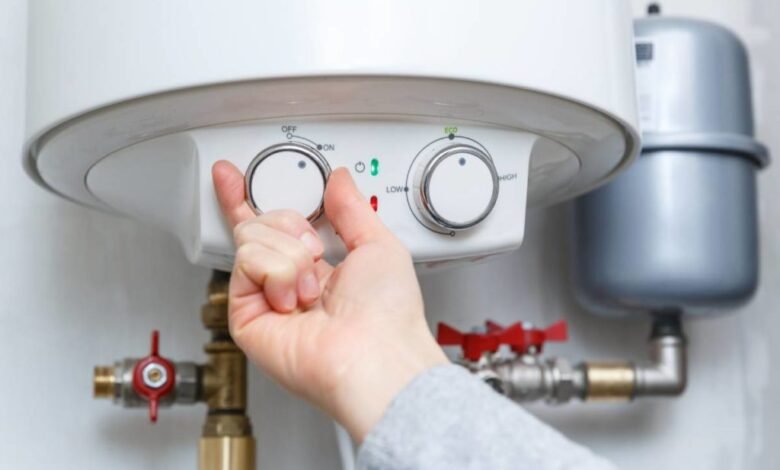
One of the strongest winter links is domestic hot water demand. People take longer hot showers, wash more laundry, and use more hot water for dishes, while incoming water is colder, requiring more energy to reach the set temperature. If the home uses a boiler with an indirect water heater, the boiler must shift output to heat the domestic hot water tank when it calls, which can briefly reduce space-heating output. Some systems prioritize hot water to maintain comfort at the tap, which may cause a brief temperature drop in rooms during heavy shower use. In combi boilers that produce heat and hot water from the same unit, winter demand can reveal the unit’s limits. If multiple fixtures run while the boiler also supplies heat, flow can drop or the water temperature can fluctuate. In homes with separate furnaces and water heaters, the interaction is more about energy input and venting. Both appliances may compete for gas supply, combustion air, or vent capacity in a tight mechanical room. A simple service note, such as “Check our Location,” is sometimes used on contractor pages. Still, inside a home, the practical approach is to check where the equipment sits and whether the space has enough air and clearance for safe operation during peak demand.
- Fuel Supply And Electrical Load Constraints
Heating and plumbing equipment often share the same utility constraints. In gas homes, winter demand can expose undersized gas piping if the furnace, water heater, and stove are all used at the same time. Symptoms can include weak burner flames, longer heat-up times, and temperature drift at the water heater under simultaneous loads. In electric homes, the constraint is panel capacity and circuit loading. Electric furnaces, heat pumps with auxiliary heat, and electric water heaters can create large combined loads during cold snaps. When multiple high-draw devices run, voltage drop can occur, which may reduce performance and stress components. Even if breakers do not trip, the systems can behave less consistently. Pumps and controls in hydronic heating systems also rely on stable power. If a circulator pump struggles or short cycles due to electrical issues, both space heat delivery and hot water generation can be affected. This is why winter performance complaints sometimes trace back to utility sizing rather than the appliance itself. A home can have equipment in good condition but still experience shortfalls when demand pushes the supply system to its limit.
- Pressure, Flow, And Temperature Stability At Fixtures
Winter plumbing performance is shaped by flow and pressure, and heating demand can indirectly affect it. When water heaters work harder, recovery time increases, and hot water may be depleted faster. If the plumbing system has long hot-water runs, the initial cold slug feels longer in winter because the pipes lose heat to the colder surrounding spaces more quickly. This encourages longer faucet and shower run times, which increases overall demand. Temperature stability at showers can also be affected by simultaneous fixture use. When someone flushes a toilet or starts a washing machine, pressure changes can temporarily reduce the flow of hot or cold water. In winter, this effect can feel more dramatic because people set their showers hotter and use more hot water. Pressure-balancing valves help, but they still depend on stable supply conditions. In homes with hydronic heating, the boiler may ramp and cycle based on both space-heating and hot-water calls, so the temperature of delivered domestic hot water can vary slightly if the system is not well tuned. The interaction is most noticeable during morning peaks, when multiple showers and heating calls occur at once.
- Freeze Risk And Heat Distribution Problems
Heating performance affects plumbing safety because warm indoor temperatures protect pipes in walls, crawlspaces, and basements. When a home has cold zones due to uneven heating, the pipes in those zones face a higher risk of freezing. This is common near exterior walls, in garage-adjacent rooms, and under sink cabinets, where airflow is limited. If the heating system cycles irregularly or supply registers are blocked by furniture, those microclimates become colder than the thermostat indicates. At the same time, plumbing issues can affect heating in hydronic systems. Low water pressure in a boiler loop, trapped air in radiators, or a failing circulator can reduce heat delivery to certain zones, creating cold pockets that threaten nearby plumbing. Winter also increases the consequences of small leaks. A slow drip near a pipe in an unheated space can contribute to ice formation and blockage, and a frozen section can burst when it thaws. Preventing freeze events often involves both systems: maintaining consistent indoor heat, sealing drafts, insulating vulnerable pipes, and ensuring heating zones deliver warmth where pipes run.
Winter Demand Links Systems
Heating and plumbing systems interact during winter demand through shared energy limits, hot water production needs, and the way indoor temperatures protect piping. Higher hot water use and colder incoming water increase load on water heating, while space heating calls rise at the same time, which can reveal capacity and distribution weaknesses. Gas and electrical supply constraints can affect how smoothly equipment runs, and pressure and flow fluctuations can make shower temperatures feel less stable when multiple fixtures are in use. Uneven heat can increase the risk of freezing in colder zones, while hydronic plumbing issues can reduce heat delivery and create cold pockets. When both systems are maintained and balanced before cold weather, they handle peak demand more smoothly and reduce the chance of winter comfort problems and plumbing damage.