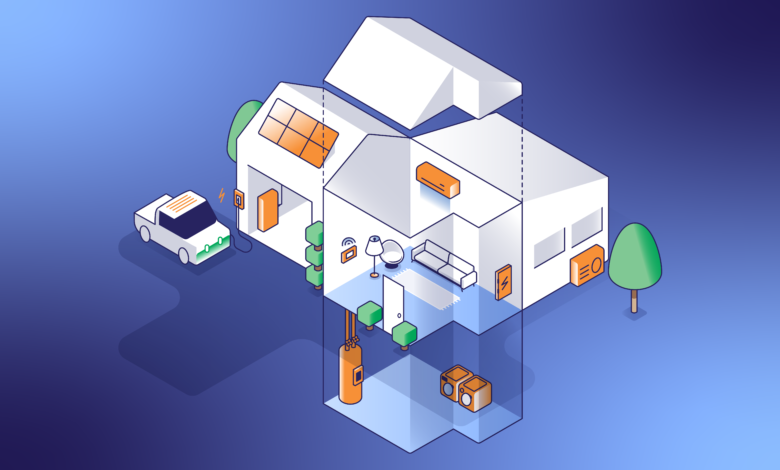
Electrification-ready homes are designed to shift more household energy use to efficient electric equipment while keeping comfort steady in every season. HVAC planning is at the center of that shift because heating and cooling typically account for the largest energy loads in a home. A strong services plan is not just a one-time installation. It is a staged approach that evaluates the building envelope, air distribution, electrical readiness, and equipment controls so that upgrades proceed smoothly without unexpected costs. Homeowners often want comfort improvements now and future flexibility later, especially if they plan to add an EV charger, heat pump water heater, or solar and battery storage. When HVAC services are planned with electrification in mind, the home gains better temperature consistency, improved indoor air quality, and a clearer path to all-electric heating and cooling.
Plan upgrades in smart stages
- Home performance assessment and airflow groundwork
A services plan should begin with measurement, because electrification outcomes depend on how the house actually performs, not what equipment was installed years ago. Contractors typically start with a load calculation that reflects current insulation levels, window performance, occupancy patterns, and sun exposure. Renovations, air sealing, and added insulation can significantly reduce load, which means an old system size may be too large for today’s needs. Airflow evaluation comes next. Duct leaks, undersized returns, and high static pressure can limit comfort and increase energy use, especially with modern variable-speed equipment that relies on steady airflow. A plan may include duct sealing, return sizing improvements, and filter cabinet upgrades that reduce restriction. Balancing room matters as well, since electrification upgrades often aim for longer runtimes at lower output, which can reveal room-to-room imbalance that was masked by short cycling. Indoor air quality measures can be included in this phase, such as increasing filtration depth, improving humidity control, and enhancing the ventilation strategy where appropriate. This groundwork improves comfort even before equipment changes and makes later heat pump upgrades more successful because the system can operate within its intended range. A home that is tight and well balanced allows electrified heating and cooling to run quietly and steadily rather than fighting duct limitations.
- Equipment pathway planning and heat pump readiness
Once the home performance baseline is clear, the plan can define a pathway that fits both budget and timeline. Some homes move directly to a heat pump system, while others phase changes, replacing failing components first and preparing the rest for a future conversion. Heat pump readiness includes confirming duct capacity, verifying that the air handler or furnace replacement options match airflow needs, and planning for auxiliary heat strategy in colder conditions. It also includes control planning, because modern heat pumps benefit from thermostats that manage staging and defrost logic correctly. Refrigerant line condition and routing should be evaluated, especially in older systems, where line size or contamination can cause performance issues. In many service plans, contractors also assess whether zoning is appropriate, because poorly designed zoning can increase static pressure and reduce comfort. Homeowners who are exploring Residential HVAC work from Alpha Home Services often focus on creating a step-by-step plan that supports comfort now while keeping equipment choices compatible with later electrification upgrades, such as selecting controls and air handlers that align with heat pump expansion. Another part of pathway planning is identifying where the home can gain efficiency without major equipment change, such as adding attic insulation, sealing duct boots, or correcting return pathways. These upgrades can allow a smaller heat pump later, reducing both equipment cost and electrical demand.
- Electrical coordination, load management, and future expansions
Electrification-ready HVAC planning must coordinate with the electrical system because HVAC upgrades often occur alongside other electrical loads. A service plan should include a panel and service review, checking available breaker space, service capacity, grounding, and the condition of disconnects and wiring. The goal is not only to power the HVAC equipment but also to preserve capacity for future additions such as EV charging, induction cooking, or a heat pump water heater. Some homes may need a panel upgrade or load management strategy. Smart load management can allow a home to add large electric appliances without immediately upgrading service, but it requires planning to ensure critical comfort loads remain stable. The plan should also include a strategy for peak demand. Heat pumps and variable-speed systems can reduce peak loads compared to older single-stage equipment, but poor sizing or restricted airflow can increase runtime and demand. Proper commissioning helps ensure the system operates efficiently. Electrical coordination also includes planning for controls, such as thermostat wiring, sensor placement, and integration with energy monitoring tools if the homeowner wants visibility into usage. If the home is considering solar or battery storage, HVAC planning should include how the system will behave during outages and whether backup power is expected to support heating and cooling or only essential circuits. By integrating HVAC and electrical planning, homeowners avoid repeated permit cycles and reduce the risk of unexpected costs during installation.
A staged plan protects comfort.
An HVAC services plan for electrification-ready homes works when it starts with measurement, builds a clear equipment pathway, and coordinates with electrical readiness. Home performance assessment and airflow improvements create the foundation for efficient electric heating and cooling. Heat pump readiness planning helps homeowners choose controls, duct strategies, and auxiliary heat approaches that match their climate and comfort goals. Electrical coordination and load management protect future flexibility for EV charging and other electrified appliances, without last-minute surprises. Finally, ongoing maintenance and performance verification keep the system operating consistently and make phased upgrades easier to manage. With a structured plan, homeowners gain dependable comfort today while staying prepared for the next stage of electrification.