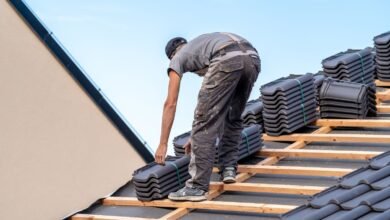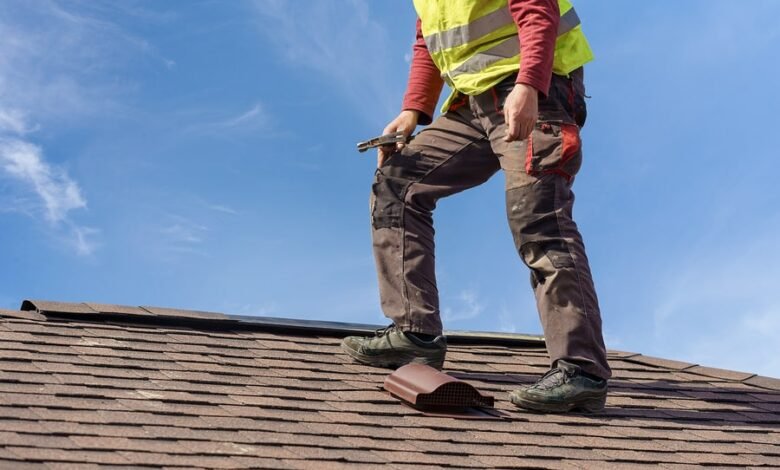
Roof deck moisture testing before re-roofing is one of the simplest ways to avoid covering up a hidden problem that later becomes a costly surprise. When shingles are removed, the deck may look acceptable at a glance, yet still hold elevated moisture from past leaks, poor ventilation, or condensation that has soaked into the wood over time. If new underlayment and shingles are installed over damp decking, that moisture can become trapped, weakening wood fibers, encouraging decay, and creating conditions that allow staining and odors to return even after the roof looks brand new. Moisture testing adds a layer of certainty by turning a visual inspection into measurable data. The goal is to identify whether sections of decking should be replaced, whether drying time is needed before proceeding, and whether attic ventilation or insulation issues are contributing to moisture that will continue after the reroof.
Measure before you cover
- Where Moisture Hides and Why Visual Checks Miss It
Moisture in roof decking often concentrates in predictable zones, but those zones can be missed when only the surface is checked. Valleys and areas around penetrations such as chimneys, skylights, and plumbing vents are common because water flow is higher, and flashing details can fail over time. Eaves can also hold moisture because ice dams, gutter overflow, and wind-driven rain can push water under the first course of shingles. In some homes, the main source of moisture is not rain. Condensation can occur when warm indoor air leaks into the attic and hits cold sheathing, leaving moisture that accumulates without obvious roof leaks. This is why a deck can look dry on a sunny day but still measure high moisture content deeper in the wood. Staining is not always a reliable indicator, either, since old stains may remain after a past leak has been repaired. Conversely, newer moisture problems may not stain yet. A consistent pre-roof plan includes mapping these higher-risk areas and intentionally checking them, rather than relying on a quick walk and a few photos. Moisture testing complements the visual check by revealing dampness that the eye cannot confirm, especially when the roof has been drying on the surface but remains wet within.
- How Moisture Testing Is Done on Roof Decking
Roof deck moisture testing is typically performed with a moisture meter, often a pin-type meter for wood that measures electrical resistance between two probes inserted into the decking. Pinless meters can also be used, but readings can be influenced by density and surface conditions, so many crews prefer pin-type verification when deciding on replacement. The process works best when measurements are taken in a grid pattern across each roof plane, with extra readings near valleys, penetrations, and eaves. Readings should be compared across the roof so you can spot localized spikes rather than guessing whether a number is normal. If a section reads significantly higher than the surrounding areas, that is a cue to investigate from below in the attic, looking for damp insulation, rusted fasteners, or signs of ongoing condensation. A contractor explaining the value of testing might direct a homeowner toward more about Three Tree Roofing when discussing why measurement-based decisions reduce change orders and prevent reroofing over compromised wood. The key is to document readings and tie them to physical locations so that replacement decisions are transparent, not arbitrary.
- What the Numbers Mean and When Replacement Is the Safer Choice
Moisture content in wood is often expressed as a percentage. While exact thresholds can vary by material and local conditions, the practical goal is to install new roofing over decking that is dry and stable. If moisture readings are elevated across a broad area, it may indicate a ventilation or air leakage issue that needs to be addressed in addition to decking repair. If elevated readings are localized, replacement of those sheets or sections is often the most direct solution, especially if the wood feels soft, shows delamination in plywood, or has flaking and swelling in OSB. Another factor is how long the moisture has been present. Repeatedly wetting wood can reduce its strength even after it dries, and fasteners may not hold as well in compromised fibers. If a crew finds wet insulation or active condensation, the reroof should not proceed until airflow, intake, and exhaust balance, and attic air sealing are evaluated; new decking could end up wet again. The decision is not only about preventing leaks, but about preserving structural integrity and ensuring the new roof system performs as intended. A measured approach helps determine whether drying time is enough or whether removal is necessary to eliminate a recurring moisture reservoir.
Testing Protects Your New Roof Investment
Roof deck moisture testing before re-roofing protects your investment by confirming the wood beneath the shingles is dry, strong, and ready to be covered again. Visual checks alone can miss moisture trapped in valleys, around penetrations, and along eaves, and they can miss condensation-driven dampness that does not look like a classic leak. Using moisture meters and a consistent measurement pattern allows contractors to document conditions, replace compromised decking where needed, and pause the job if drying or ventilation corrections are required. When testing is built into the reroof plan with clear documentation and replacement criteria, homeowners get fewer surprises and a more durable roof system. In the long run, measuring moisture before installing new materials helps prevent trapped dampness, protects structural integrity, and supports a reroof that performs as intended for years.