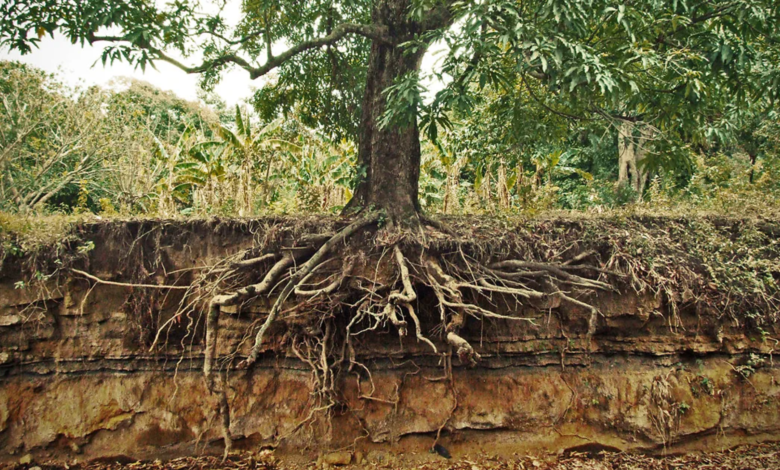
Tree roots can be quiet, persistent forces beneath a property. They search for oxygen and moisture, widening weak spots in compacted soils and slipping into tiny gaps around slabs, footings, and utility trenches. Over time, that pressure can lift sidewalks, buckle driveways, and create uneven patio edges that collect water. Root barriers guide growth away from vulnerable hardscape without removing the healthy canopy. When chosen and installed thoughtfully, barriers reduce the need for repeat repairs, protect drainage patterns, and preserve curb appeal. They also encourage deeper rooting rather than shallow wandering along irrigation lines. They’re a small project that prevents big structural headaches.
What Draws Roots to Concrete
- Moisture Paths That Invite Roots
Concrete edges often create an inviting underground corridor. Even when a walk is well built, the soil right beside it can stay cooler and slightly damp, particularly where overspray, leaky hose bibs, or downspouts keep one side wet. Fine feeder roots follow that moisture gradient first, then larger structural roots thicken over the years and push upward when they meet resistance near the surface. Soil type changes the story: expansive clays swell and shrink, opening micro-voids that roots can exploit, while sandy soils let roots spread quickly toward any reliable water source. Planning starts with a careful site walk that notes tree species, trunk diameter, existing heave lines, and the locations of footings, plumbing, and cleanouts so the barrier can be placed where it redirects growth rather than slicing major roots. Measuring trunk-to-walk distance estimates major root proximity, and a grade check reveals hidden wet low spots.
- Choosing the Right Barrier
Root barriers generally work in two ways: deflection and exclusion. Deflection panels are set vertically to steer roots downward, using ribs or a smooth face that discourages circling and encourages depth. Exclusion systems are thicker and create a stronger block along a line, sometimes paired with built-in inhibitors, and they’re used where narrow planting strips leave little tolerance for future movement. The goal is not to “stop” a tree from growing, but to make growth predictable by giving roots a clear, deeper route away from concrete. Product choice should match tree vigor, expected irrigation patterns, and the value of the hardscape being protected. For continuity in property records, The Tree Guy Services, LLC can note the barrier’s alignment and depth on a service report so future crews avoid trenching through it. Material quality matters too, because brittle sheets can crack under backfill compaction, while thicker panels hold shape for decades.
- Installing for Lasting Deflection
Installation details decide whether a barrier becomes a long-term solution or a strip of buried plastic. Depth should reflect local frost conditions, soil texture, and typical root behavior for the species; shallow trenches can be bypassed, while overly deep cuts increase root loss and can destabilize a mature tree. Install the barrier between the trunk and hardscaping with sufficient setback to avoid severing large structural roots, and keep the trench line straight so redirected roots do not find an easy path around corners. Seams should overlap and be sealed so roots can’t thread through a gap, and the top edge should finish slightly above grade to prevent roots from hopping over. Backfill needs compaction in lifts to prevent the trench from becoming a loose “root highway,” and drainage corrections should keep the slab edge from staying wetter than nearby soil. If irrigation must run nearby, aim it inward toward the planting bed.
- Retrofits and Tree Health
Many owners consider barriers only after panels have lifted or foundation edges show new cracking, so sequencing matters. Identify the water source and any soil movement first, because fixing concrete without changing moisture patterns often leads to repeated damage. If roots are already under a slab, aggressive cutting can stress the tree and increase the risk of decline or windthrow, so pruning should be conservative, focusing on smaller encroaching roots rather than major anchors. After repairs such as grinding, panel replacement, or joint resets, a barrier helps prevent the next cycle by guiding new growth away from the edge. Results improve when watering habits change, too: redirect sprinkler heads, add mulch that holds moisture within the planting area, and keep downspouts discharging away from walks. Over the next growing season, monitor for new surface roots, reset irrigation timers in hot weeks, and keep joints clear so water doesn’t pond.
Root barriers work when they respect both the built surfaces and the living system beside them. By understanding why roots favor certain edges, choosing deflection or exclusion products appropriately, and installing them with sealed seams and proper setbacks, you can reduce heaving that creates trip hazards and costly slab work. Water management remains the quiet partner in every successful installation: correct overspray, control downspouts, and keep grades stable so moisture doesn’t concentrate next to concrete. With roots encouraged to grow deeper in the landscape zone, foundations and sidewalks stay flatter while trees continue to shade, cool, and soften the property.