Lighting temperature quietly guides how people feel the moment they step into a restaurant. Before guests taste a dish or hear a playlist, the warmth or coolness of the light begins shaping mood, energy, and expectations. Warm lighting can soften edges, reduce visual stress, and make a room feel intimate. Cooler lighting can feel crisp and modern, but it can also make diners feel more alert and less settled. Because dining is sensory, lighting temperature affects not only the atmosphere, but also how food looks, how skin tones appear, and how long people choose to stay. When owners plan lighting temperature with intention, they can create a space that supports their concept, service style, and guest flow.
How light temperature changes behavior
- Warm light and the psychology of comfort
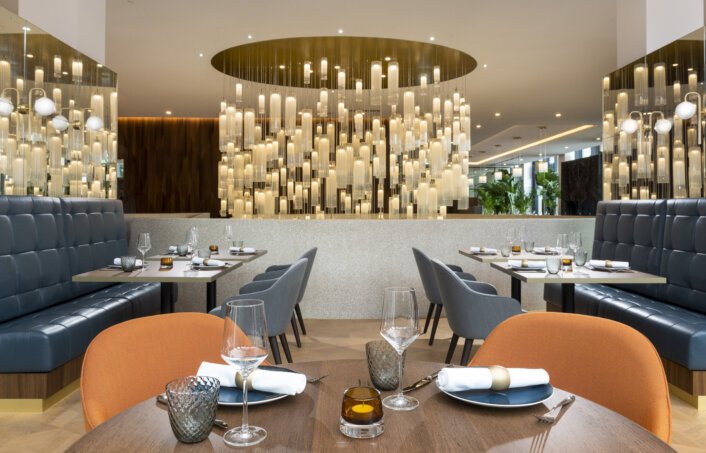
Warm lighting, often associated with amber and soft golden tones, tends to make guests feel relaxed and protected. It reduces harsh contrast and can make a room feel more forgiving, which is important in a social setting where people want to look and feel comfortable. Warm tones can also slow the perceived pace of time, encouraging diners to linger, talk longer, and order another drink or dessert. In dining rooms that emphasize conversation, date nights, or family meals, warmer temperatures help create a sense of closeness by visually compressing the room and making surfaces feel softer. This is why many restaurants use warm table lamps, candle-like sconces, and low-level ceiling lighting rather than bright overhead fixtures. Warm light also flatters many food presentations, particularly dishes with browns, reds, and golden highlights, because it enhances richness and reduces the bluish cast that can make food look less appetizing. However, warmth has limits. If lighting becomes too yellow or too dim, it can make a room feel tired or hide important details for staff and guests. The goal is balance, pairing warm temperature with layered light levels so that the atmosphere stays intimate while service remains efficient. When warm lighting is chosen intentionally, it supports a calm dining rhythm and makes guests feel welcome rather than rushed.
- Cooler light and the signal of modern energy
Cooler lighting temperatures communicate clarity, cleanliness, and a modern edge. They often appear in contemporary restaurants, fast casual concepts, and spaces that want a brighter, more open feel. Cooler light can sharpen details, making textures in architecture and plating look crisp, and it can help staff work quickly in high-volume settings. It can also influence guest behavior by increasing alertness, which may lead to faster dining and higher table turnover. That can be helpful for concepts built around speed and efficiency, or for daytime service when people want energy rather than intimacy. But cooler light carries risk. If the temperature is too cool, skin tones can look pale, food can lose warmth, and the space may feel more like a workspace than a dining environment. The contrast can feel harsh, especially when combined with reflective surfaces like polished stone or stainless steel. In intimate counter dining settings like The Chef’s Table at Brooklyn Fare, the choice of temperature can also shape how guests perceive the kitchen’s craft, because cooler light emphasizes precision.
In comparison, warmer light emphasizes comfort and hospitality. Many designers manage this by mixing temperatures, keeping general ambient lighting warmer while using slightly cooler task lighting in the kitchen or service zones. This layered approach prevents the room from feeling clinical while still supporting visibility where it matters.
- Food appearance, skin tones, and the camera effect
Lighting affects how food looks on the plate, which influences satisfaction before the first bite. Warm light often makes sauces and roasted items look richer, but it can also distort greens, making salads and herbs look dull if the temperature is too low and the rendering is poor. Cooler light can make whites look cleaner and can lift greens, but it can flatten warm tones, making seared proteins look less inviting. Because many diners take photos, lighting temperature also affects how shareable the experience feels. Guests notice when their photos look gray, yellow, or overly blue, and that shapes their impression of the restaurant even if the meal tastes great. This is not about designing for social media; it is about acknowledging that people judge visual quality quickly. Temperature is only one part of this; color rendering also matters, but temperature is what most guests notice immediately. Skin tone impact is equally important. A dining room that makes people look healthy and relaxed often feels more welcoming, while a room that makes people look washed out can subtly reduce comfort. Restaurants that succeed with lighting usually test real plates under real lighting during setup, not just the empty room. They also consider different seating zones, because a booth under a pendant might look warmer than a table under a recessed fixture. When lighting is balanced between food and faces, the entire dining experience feels more polished.
Lighting temperature shapes mood and memory.
Lighting temperature shapes dining by guiding comfort, pace, and the way guests perceive food and one another. Warm tones tend to support relaxation and longer stays, while cooler tones communicate clarity and can increase energy and turnover. Temperature also affects the appearance of the plating, skin tones, and how guests remember the room through photos and first impressions. The most effective restaurants plan temperature by zone and by time of day, using layered lighting and gradual transitions to match the concept and service style. When temperature is chosen thoughtfully, the room feels intentional, the food looks inviting, and guests leave with a stronger memory of the experience.