Roof slope is more than a design detail because it controls how quickly water leaves the surface, how wind loads behave, and how materials handle heat and freeze cycles. A steep roof sheds rain quickly, but it also experiences higher uplift forces and requires secure fastening. A low-slope roof moves water slowly, so seams and underlayment choices become critical. Slope also affects how crews can safely install and service the roof, which can change labor methods and long-term maintenance planning. When homeowners compare materials only by appearance, they may end up with a system that fights the roof’s shape rather than working with it. Matching material to pitch helps reduce leaks, prevents premature wear, and keeps drainage predictable.
Low-Slope Roof Challenges and Solutions
- Pitch shapes every roofing decision.
On lower slopes, the priority shifts from shedding to sealing because water can linger and push into overlaps during wind-driven storms. Many manufacturers and local codes set minimum slopes for asphalt shingles, and below that threshold, installers often move toward membranes or multi-layer systems that handle slow drainage. Even on borderline pitches, contractors may add enhanced underlayment, wider overlaps, and careful flashing details to protect the deck from capillary action and backflow. Underlayment selection matters because nail lines are more exposed to standing moisture when water does not run off quickly. Ventilation and insulation also become part of the slope conversation, since low slopes can mask signs of ponding until damage spreads across the sheathing. If you want a quick look at how a contractor presents slope-related options, https://bealingroofing.com is one place homeowners reference when comparing roof system planning and material fit. The key takeaway is simple: the lower the slope, the more the roof behaves like a waterproofing assembly rather than a purely shedding surface.
- Steeper Slopes and Shingle Behavior
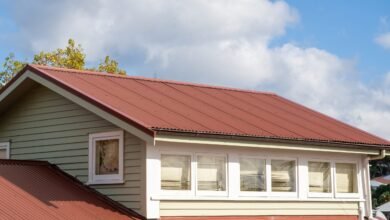
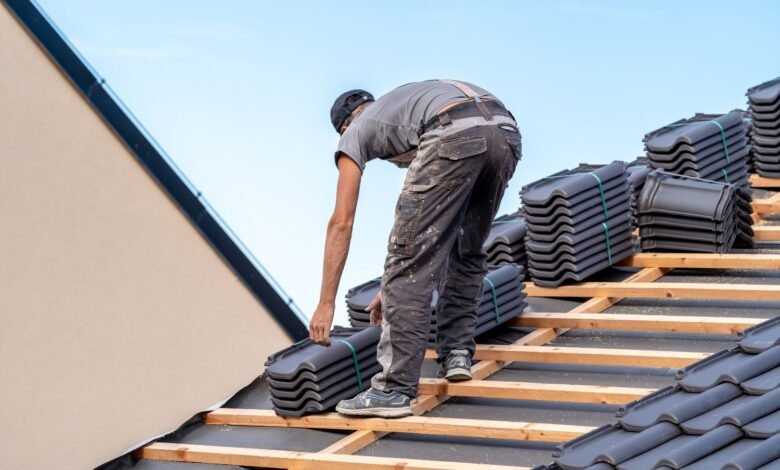
As the slope increases, gravity becomes your helper, but it also introduces stresses that influence material selection. Asphalt shingles perform well on moderate-to-steep pitches because water sheds quickly, and the overlapping design works as intended. Still, steep roofs experience greater wind exposure, so fastening patterns, starter strips, ridge caps, and edge details are more important than shingle color or profile. On very steep pitches, contractors may favor materials that lock down securely and resist uplift, such as standing seam metal or certain architectural shingles paired with reinforced underlayment. Steep slopes can also shed snow faster, reducing ice dam pressure in some climates, but they can create sliding snow loads that threaten gutters, landscaping, and lower roof sections. That risk can influence whether snow guards, heavier-gauge metal, or stronger eave details are used. Steepness also affects serviceability because future repairs are more difficult and require more safety equipment. For some homeowners, that reality nudges them toward longer-lasting materials so the roof is opened less often over the years.
- Low-Slope Systems and Seam Management
When the roof slope is shallow, material choice often moves away from shingles and toward systems designed for continuous sealing. Modified bitumen, TPO, PVC, EPDM, and self-adhered membranes are common options because they rely on welded seams, adhered layers, or chemically stable sheets rather than individual overlapping pieces. The slope determines how seams should be oriented and how drains, scuppers, or gutters must be laid out to prevent ponding. Even small framing irregularities can create low spots where water stands, so contractors may recommend tapering insulation or adding crickets around chimneys and rooftop units to keep water moving. Low-slope roofs also require greater attention to penetrations, since pipes, vents, skylights, and HVAC stands interrupt the membrane and can become leak points if flashing is not integrated correctly—material thickness and puncture resistance matter, especially where foot traffic is expected for equipment service. In practical terms, low slope choices are less about curb appeal and more about seam reliability, drainage planning, and how the roof will be walked on and maintained.
Slope Guides Material Decisions
Roof slope influences how water moves, how wind lifts edges, and how seams behave under stress, so it should lead the material conversation from the start. Lower slopes usually call for systems that seal continuously and manage slow drainage, while moderate and steep slopes can support shingles or metal that rely on reliable shedding. Very steep roofs raise fastening and safety considerations, which can steer choices toward materials with strong lock-down performance and longer service intervals. Mixed-slope homes often benefit from using more than one roof system so each plane matches its drainage reality. When slope and material align, the roof stays drier, details last longer, and maintenance becomes more predictable across seasons.