Extreme weather is changing what homeowners expect from heating and cooling, and how quickly those expectations translate into purchases. Longer heat waves, sudden cold snaps, higher humidity, wildfire smoke, and stronger storms all strain HVAC systems beyond what many older homes were designed to handle. When temperatures stay high overnight, people notice uneven cooling, sticky indoor air, and higher utility bills more quickly than they did in the past. During winter swings, short periods of intense cold can expose weak insulation, leaky ductwork, and undersized equipment. These conditions are not only about comfort anymore; they affect sleep, productivity, indoor air quality, and the ability to stay safe during outages. As weather volatility increases, demand is shifting toward systems and upgrades that can withstand stress, adapt quickly, and maintain stable indoor conditions.
What extreme conditions are changing
- Heat waves drive upgrades in capacity, efficiency, and airflow.
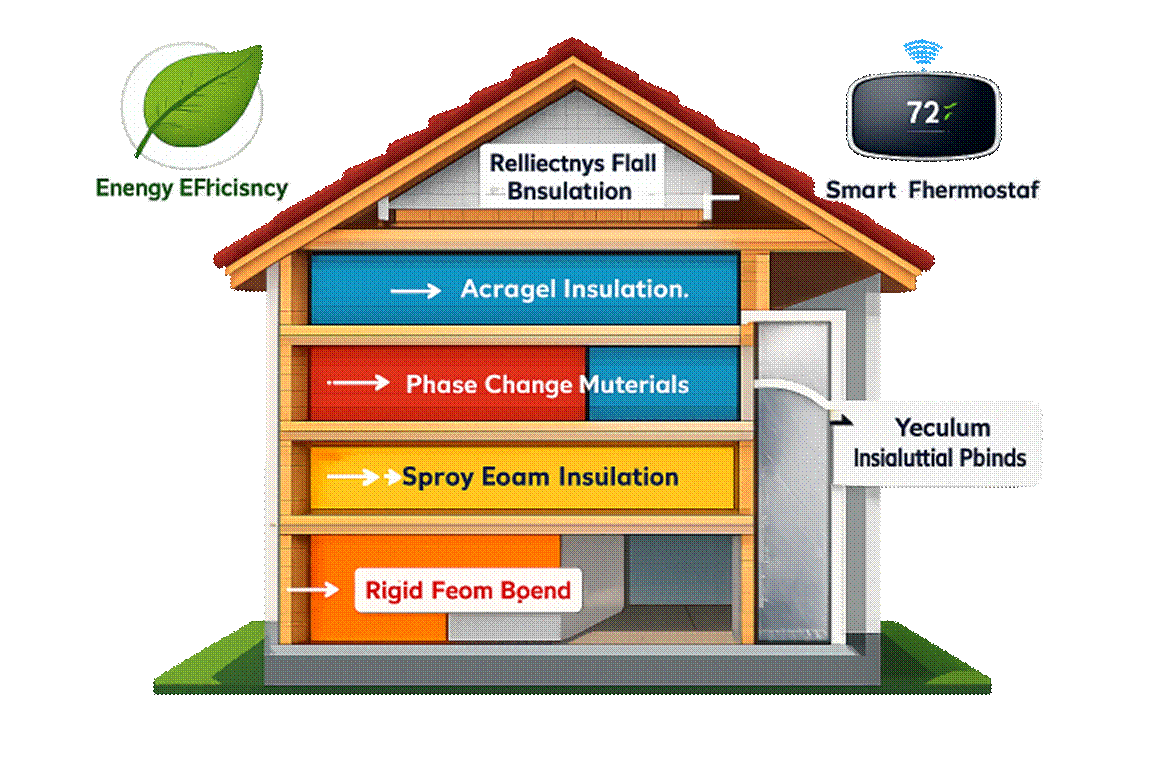
Extended heat events are pushing homeowners to replace aging air conditioners earlier and invest in upgrades that keep indoor temperatures steady even when outdoor heat lingers for days. When daytime highs rise and nighttime temperatures remain elevated, many systems never fully catch up, especially if dirty coils and undersized returns restrict airflow or cause ductwork leaks. This is increasing demand for load calculations, duct sealing, and smarter zoning to prevent rooms from becoming hot pockets during the afternoon peak. Higher cooling demand is also driving interest in variable-speed systems that can run longer at lower output, improving temperature consistency while reducing the on/off cycling that leaves humidity behind. Another driver is electrical stress. Heat waves strain the grid, and homeowners become more aware of soft start kits, surge protection, and equipment that can operate efficiently at partial load. Many are also pairing HVAC upgrades with envelope improvements, such as attic insulation, radiant barriers, and tighter air sealing, because these steps reduce the cooling capacity required. As the cost of peak electricity rises, demand increases for thermostats and controls that can precool, adjust schedules, and manage comfort without constant manual adjustments. In practical terms, extreme heat is shifting HVAC from a replacement purchase to a home performance decision, where airflow, duct integrity, and insulation directly influence the equipment a household needs.
- Wildfire smoke and humidity reshape priorities for indoor air.
Extreme weather is not only about temperature; it also changes what enters the home and how long it stays there. Wildfire smoke events prompt people to focus on filtration, sealing, and ventilation strategies that reduce indoor particle levels without drawing polluted air indoors. During smoke seasons, many homeowners realize that their HVAC system is their primary air mover, so they want better filters, deeper media cabinets, and tighter ductwork to prevent attic dust and garage air from mixing into living spaces. A well-chosen filter strategy must still protect airflow, which is why many contractors recommend hardware upgrades that increase filter surface area rather than simply moving to a tighter filter on a restrictive slot. In humid regions, heavier rain patterns and warm, damp seasons increase discomfort and can contribute to musty odors, making dehumidification a stronger driver of demand. People also ask for improved drainage management, float switches, and coil maintenance because moisture problems show up more quickly when humidity remains elevated for weeks. Homeowners who want to learn more about Semper Fi Heating and Cooling often start by asking how filtration and humidity-control choices can be matched to their existing equipment and ductwork. Extreme conditions also bring more attention to air exchange. Instead of opening windows, many households prefer controlled ventilation approaches that balance fresh air with filtration, keeping indoor air healthier during smoke or pollen spikes while still reducing stuffiness.
- Storm reliability, backups, and rapid repair demand
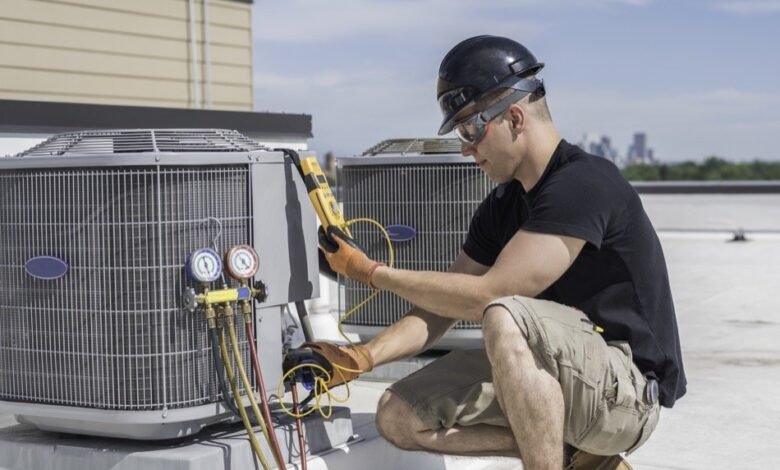
Stronger storms and more frequent outages are shifting demand toward HVAC resilience and faster service response. When power goes out during peak heat or freezing weather, homeowners start thinking about what to do next time and ask about solutions that keep at least part of the home livable. This has increased interest in dual-fuel setups, heat pumps paired with gas furnaces, and systems that integrate with backup power strategies. Even when full-home generators are not an option, people take smaller steps, such as zoning a portion of the house, using equipment that can restart safely after outages, and protecting controls with surge suppression. Demand is also rising for proactive maintenance because storms can damage outdoor units, clog coils with debris, and expose weak electrical connections. After a storm, quick diagnostics matter, so households value contractors who can confirm capacitor health, refrigerant performance, and contactor condition without guesswork. Weather volatility also increases seasonal whiplash, where a warm week is followed by a sudden cold spell, which drives demand for heat pumps that can handle a broader temperature range and for smart thermostats that switch modes smoothly. In many areas, homeowners are also asking about duct insulation and sealing because storms and humidity can turn attics into harsh environments that degrade duct performance over time. These reliability concerns are reshaping buying behavior, pushing more people to act before a breakdown rather than wait for an emergency that occurs during a weather event.
Why weather shifts change buying decisions
Extreme weather is reshaping HVAC demand by changing what people fear, what they feel inside their homes, and how quickly systems reach their limits. Heat waves increase interest in airflow fixes, variable operation, and controls that manage long-term operation without discomfort. Smoke events and heavier humidity push indoor air quality and moisture management higher on the priority list, driving upgrades in filtration, sealing, and drainage reliability. Storms and outages increase the desire for resilience, equipment protection, and faster repair readiness. At the same time, rising bills and shifting temperature patterns make efficiency and adaptable system design more important than simple replacement. As weather volatility continues, households increasingly view HVAC as essential to home safety and stability, not just seasonal comfort.