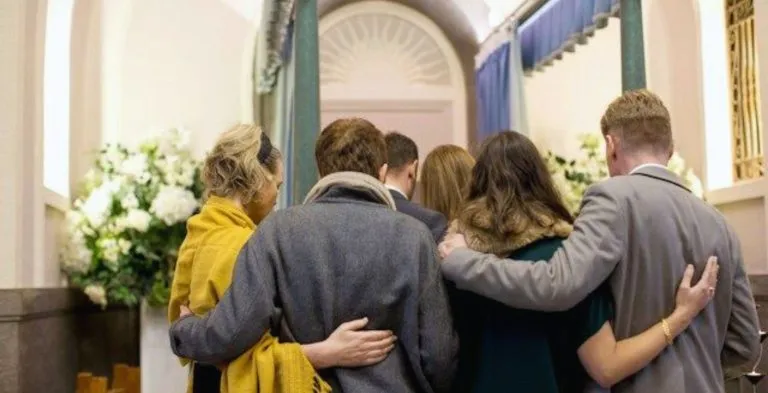
The memory of a mother carries profound emotional meaning for families and communities. Her presence often shapes values, traditions, and the emotional foundation of a household. When she passes away, families seek meaningful ways to preserve her memory while honoring the life she lived. Structured memorial services provide a thoughtful framework that allows remembrance to occur with reflection, dignity, and shared purpose. These services guide participants through moments of prayer, storytelling, and reflection that connect past memories with present gratitude. We will explore how carefully arranged memorial practices help families commemorate mothers respectfully and in a lasting manner while strengthening cultural and spiritual traditions that preserve remembrance for generations.
The Importance of Ritual and Structure in Memorial Services
Structured memorial services create a respectful environment where remembrance unfolds with clarity and meaning. Rituals play an important role in helping individuals process grief while maintaining a sense of order during emotionally difficult moments. When ceremonies follow a recognized format, participants know what to expect and can focus their attention on honoring the memory of the departed rather than worrying about how the gathering should proceed. Within many Jewish remembrance traditions, the yizkor prayer for mother is recited as a meaningful part of the ceremony, allowing family members to pause and reflect on her life with reverence. This sense of structure offers emotional comfort and helps families move through the memorial experience with greater calm and reflection.
For many communities, memorial services incorporate prayers, readings, and symbolic acts that represent continuity between generations. These rituals allow participants to pause and reflect on the life of a mother who shaped family traditions and personal values. The structured nature of these gatherings ensures that remembrance is not rushed or disorganized. Instead, each element of the ceremony contributes to a larger narrative that honors her influence and preserves her legacy. By providing a thoughtful framework, memorial services transform grief into a shared experience that allows families to celebrate the life of a mother with respect and dignity.
Preserving Legacy Through Words, Prayer, and Reflection
Memorial services often emphasize spoken remembrance, which allows family members and community participants to express gratitude for the life of the mother being honored. Through carefully chosen prayers, readings, and reflections, the ceremony creates an opportunity to revisit meaningful memories while acknowledging the emotional impact of loss. These spoken tributes are powerful because they transform personal memories into a collective remembrance, allowing others to share in recognizing her contributions to family and community life.
Prayer also plays a significant role in structured memorial gatherings. It allows participants to express hope, gratitude, and a sense of spiritual connection while remembering the individual who has passed. The rhythm of prayer creates moments of quiet reflection, allowing participants to consider the values and lessons the mother instilled throughout her life. These reflective moments deepen the emotional connection between participants and the memory being honored.
By including words that emphasize gratitude and remembrance, memorial services ensure that a mother’s influence continues beyond her lifetime. Stories shared during the gathering often highlight acts of kindness, dedication to family, and guidance offered during difficult times. Through these reflections, her legacy becomes part of a larger narrative that family members carry forward in their daily lives.
Community Participation and Collective Remembrance
Another important aspect of structured memorial services is the role of community participation. Grief can feel isolating, but when friends, relatives, and community members gather to remember someone together, the experience becomes a collective expression of respect and support. Structured ceremonies create opportunities for participants to contribute through readings, prayers, or shared reflections, allowing multiple voices to participate in the remembrance.
Community involvement strengthens the sense that the mother’s life had a lasting influence beyond her immediate family. Neighbors, friends, and acquaintances often share stories that reveal different aspects of her personality and generosity. These shared memories expand the narrative of her life, allowing family members to see how her actions touched others in meaningful ways.
Structured memorial services also help guide participants through moments of silence and contemplation. These pauses allow individuals to reflect on their personal connection to the departed while acknowledging the community’s shared loss. Through this collective remembrance, the ceremony becomes more than a gathering—it becomes a moment where individuals unite in gratitude for a life that shaped many others.
Structured memorial services play a vital role in ensuring that mothers are remembered with dignity, gratitude, and lasting respect. By incorporating rituals, prayer, reflection, and community participation, these ceremonies create meaningful opportunities for families to honor the life and influence of someone who shaped their values and experiences. The thoughtful structure of memorial gatherings helps transform grief into remembrance, allowing participants to focus on appreciation rather than sorrow alone. Through shared memories and enduring traditions, families preserve the legacy of mothers who nurtured and guided them. In doing so, memorial services ensure that their influence continues to inspire future generations with remembrance rooted in respect and love.