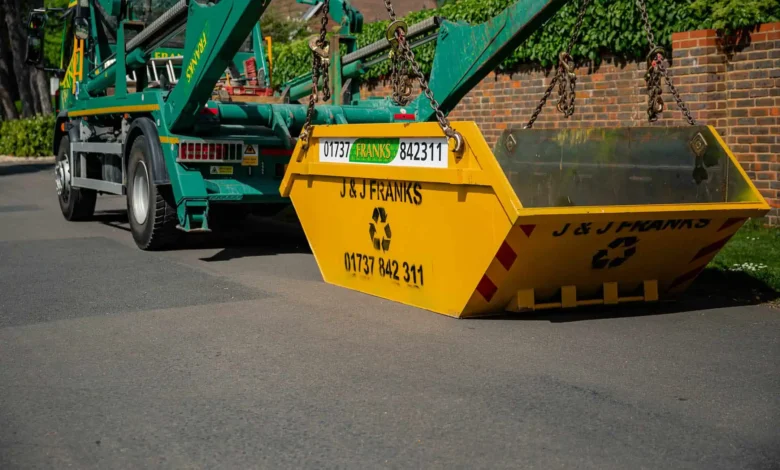
Choosing the appropriate skip size for a construction project is a crucial step in maintaining efficiency and safety on-site. Selecting the wrong size can lead to frequent waste removals, increased costs, and logistical challenges. We will explore how understanding your project’s scope, the type of waste generated, and site limitations can help you make an informed decision. Proper planning in skip selection ensures that construction debris is managed effectively, keeps the worksite organized, and reduces environmental impact. By evaluating these factors, you can save time, minimize unnecessary expenses, and maintain compliance with local waste disposal regulations, ensuring the project runs smoothly from start to finish.
Assessing the Volume of Waste
The first consideration in choosing a skip is estimating the volume of waste your construction project will generate. Construction sites produce various types of debris, including wood, concrete, bricks, metal, and general rubbish. Different materials occupy different amounts of space, so it’s essential to analyze the nature of your waste alongside its quantity. For small domestic renovations, a 4- to 6-yard skip may suffice, whereas larger building projects might require skips of 12 to 40 yards. Overestimating waste can result in unused space and wasted costs, while underestimating forces multiple deliveries, causing delays and interruptions. By conducting a thorough assessment of materials and their volume, project managers can determine a skip size that matches the debris load, preventing overfilling, avoiding spillages, and maintaining a tidy, safe construction environment. Working with a provider like Enviro Skip Hire London & Essex near London can help ensure the right skip size is available for your project’s needs.
Considering the Type of Waste
Not all construction waste can be disposed of in the same skip, and different waste types often require separate handling. Hazardous materials such as asbestos, paints, or certain chemicals must be contained in dedicated skips to comply with legal and safety regulations. Similarly, recyclable materials such as metals, timber, and concrete may benefit from separate containers to simplify processing at recycling facilities. Understanding the waste composition of your project will help you select a combination of skip sizes or specialized containers. For instance, a demolition site producing large quantities of concrete might require a roll-on roll-off skip, while a smaller refurbishment project can manage with a standard 8-yard skip. Proper segregation and skip selection reduce environmental impact, streamline disposal, and ensure adherence to government waste management policies.
Evaluating Site Access and Placement
Another critical factor in skip selection is the logistics of site access. Construction sites often face constraints such as narrow roads, limited parking, or restricted spaces for positioning skips. Measuring available space, checking height and width clearances, and assessing ground conditions are vital steps before arranging delivery. A skip that is too large may obstruct site operations, whereas one that is too small can result in overflowing debris. Additionally, if skips need to be placed on public roads, permits might be required, which can influence the size and type of skip that is feasible. Proper planning ensures that the skip fits safely and efficiently, avoids damage to property, and allows workers to move freely, maintaining smooth operational flow throughout the project.
Planning for Project Duration and Frequency of Waste Removal
The duration of a construction project and the expected rate of waste accumulation are key factors when choosing a skip size. For short-term projects, hiring a smaller skip with more frequent collections might be more practical and cost-effective. Conversely, long-term construction projects that generate large volumes of debris may benefit from a larger skip to reduce collection frequency. Considering the timing of deliveries and pick-ups ensures that waste management aligns with the workflow, minimizing downtime and avoiding the accumulation of hazardous materials on-site. Project managers can coordinate with skip hire providers to schedule deliveries to align with construction milestones, ensuring waste is removed efficiently without interrupting ongoing work or creating safety hazards. Effective planning supports a cleaner, safer, and more organized work environment.
Budget Considerations and Cost Management
While determining skip size, budget constraints play a significant role in the decision-making process. Larger skips naturally come with higher hire costs, but using multiple smaller skips may increase expenses due to additional deliveries and collection fees. Balancing the project’s waste output with cost-effective options requires evaluating how skip size impacts overall expenditure. Factoring in the type of waste is also essential, as some materials, especially hazardous or bulky items, may incur additional disposal fees. By carefully estimating waste volume, assessing project timelines, and understanding site limitations, project managers can choose a skip size that manages debris effectively while controlling costs. Thoughtful budgeting ensures that waste management contributes to project efficiency without straining financial resources.
Selecting the right skip size for a construction project requires careful consideration of several factors, including the volume and type of waste, site access, project duration, budget constraints, and regulatory compliance. Accurate assessment and planning ensure that waste is managed efficiently, costs are controlled, and operations proceed smoothly without interruption. By understanding the unique demands of each project and choosing skips that match the anticipated debris, construction teams can maintain a clean, safe, and organized work environment. Thoughtful skip selection not only simplifies disposal processes but also supports environmental responsibility, creating a more sustainable and efficient approach to construction waste management. Proper planning and strategic decision-making in skip hire are essential for the successful execution of any construction project.