
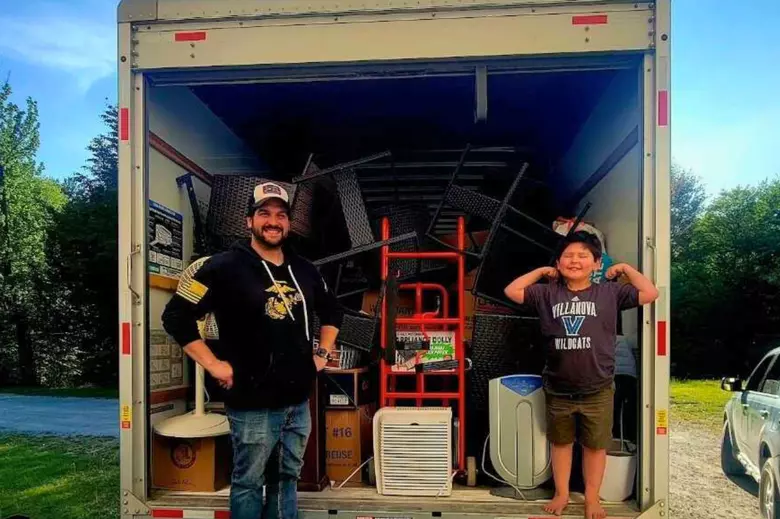

Moving tends to arrive with a lot of promises. A fresh start, more space, a better commute, a new chapter. What it also tends to arrive with, more reliably than any of those things, is stress. Boxes that multiply overnight. Decisions that pile up. A timeline that somehow keeps shrinking.
The chaos isn’t inevitable, though. Most of the difficulty that comes with a move traces back to the same handful of problems: starting too late, underestimating the scope, and not getting the right help at the right time. Solving those problems in advance doesn’t take anything complicated. It just takes a clear-eyed plan before things get hectic.
One of the more consequential decisions in that plan is who handles the actual move. Working with experienced movers who know what they’re doing from the first call changes the shape of the whole process. It shifts your job from managing every detail to managing your part of it, which is a meaningful difference when you’re already juggling everything else a major life transition brings with it.
Starting Earlier Than You Think You Need To
The single most effective thing you can do for a move is begin earlier than feels necessary. Most people pack the week before. The ones who start four to six weeks out tend to have a noticeably different experience on moving day.
Early preparation means you can sort through what’s worth keeping before any of it goes into a box. Decluttering before packing isn’t just about reducing the volume of things to move. It’s about not paying to move things you don’t want, not unpacking things you didn’t need, and arriving at your new place with a cleaner slate. One room at a time, one category of belongings at a time, the pile of things that actually matter becomes much clearer.
It also means your moving company has accurate information from the start. When you book movers without a clear sense of what’s going on, estimates are harder to nail down and moving day can run long. The more organized your information is upfront, the more accurately the crew can plan and the less likely you are to encounter surprises on the day itself.
Vetting the Company Before You Commit
Not all moving companies operate the same way, and the differences tend to become apparent at the worst possible moment if you don’t do your homework first.
The Federal Motor Carrier Safety Administration provides practical guidance on what to verify before hiring any mover. At minimum, confirm the company has a valid USDOT number, check their complaint history, and get a written estimate. Any company that won’t put a number in writing before the truck shows up is worth being cautious about.
Consumer Reports recommends getting at least three estimates and treating unusually low quotes with skepticism. A lowball price often signals that something will go wrong or that additional charges will surface at delivery. Movers worth hiring know what a job costs before it starts, and they’ll tell you clearly.
Ask how the company handles damage claims. Ask whether the crew is employed directly or contracted out. Ask what their process is for specialty items like pianos, antiques, or safes. The answers tell you more than the star rating does.
What Moving Day Actually Requires From You
Even with a good crew, moving day runs better when you show up prepared.
Have a plan for where things go before the truck arrives. Even a rough room-by-room layout helps movers place items correctly the first time, which saves everyone from shuffling furniture after an eight-hour day. Label boxes clearly, not just with the room but with a sense of what’s inside. That information becomes useful the moment unpacking starts.
Be present during loading and unloading if you can. Walk the inventory list at delivery before signing anything. If something looks wrong, that’s the moment to flag it, not after the crew has left.
Have your payment sorted before the truck pulls away. Know what the total should be and confirm it matches what was quoted. A company with transparent pricing won’t make that conversation difficult.
Settling In After the Move
The move ends when the last box is through the door. The adjustment takes longer.
Most people feel some version of disorientation in the first week or two, even in a space they chose and wanted. The routine that kept your days organized doesn’t transfer automatically to a new environment. Things that were unconscious habits now require actual thought.
Unpacking in stages helps. Start with the spaces you use most: bedroom, kitchen, bathroom. Get those functional before worrying about the rest. The boxes in the hallway aren’t going anywhere.
The goal of a well-planned move isn’t perfection. It’s arriving at the other end without having used up everything you had. That takes preparation, the right people, and a realistic sense of what the process actually involves.