
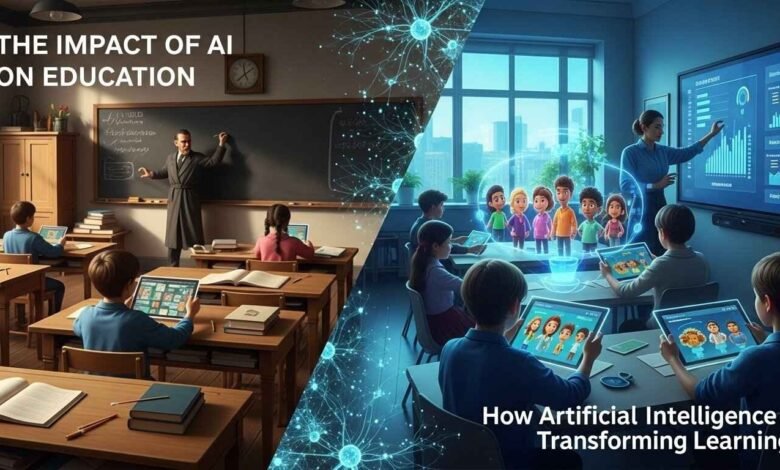
Imagine a world where every student gets lessons made just for them. Schools around the globe now use AI to make this real. Traditional classrooms often treat all kids the same. But AI changes that by offering custom paths for each learner.
AI in education means tools like smart apps that adjust lessons on the fly. Think of adaptive systems that spot weak spots right away. Or bots that grade homework in seconds. These changes touch everything from daily classes to big school plans.
This article looks at how AI shakes up learning and teaching. It covers the wins like better focus on each kid. And the tough parts like fair access for all. We’ll see chances for students, teachers, and schools. Plus ways to handle the risks.
Revolutionizing Personalized Learning Through Adaptive AI
AI makes school feel like a custom fit for every student. No more one-size-fits-all lessons. Instead, tech spots what you need and builds from there.
Diagnostic Assessment and Real-Time Feedback Loops
AI checks your work as you go. It looks at answers and finds gaps in what you know. Say you miss a math problem. The system explains it right then.
This beats old tests that wait till the end. Now feedback comes fast. Teachers use this to guide you better. Studies show kids improve 20-30% with quick tips. Personalized learning paths grow from these checks. Adaptive testing keeps things fair and fun.
Tailoring Content Delivery to Individual Needs
Platforms like Khan Academy’s Khanmigo tweak lessons for you. If you learn best with pictures, it shows more visuals. Struggle with speed? It slows down.
DreamBox does the same for math. It watches your moves and changes problems. This fits your style, whether you like reading or hearing info. AI-driven curriculum adjustment helps all kids keep up. Differentiated instruction means no one gets left behind.
Enhancing Student Engagement via Gamification and VR/AR Integration
AI turns lessons into games that hook you. Points and badges keep you trying. Virtual reality lets you walk through history or explore space.
Smart tutors chat like friends. They give challenges just right for your level. This boosts motivation. Kids stay focused longer. Immersive education technology mixes fun with facts. AI in edutainment makes school exciting, not boring.
Empowering Educators: AI as the Ultimate Teaching Assistant
Teachers get a big boost from AI. It handles the dull stuff so they can teach more. You focus on what matters most.
Automating Administrative and Grading Burdens
AI grades quizzes in moments. Multiple-choice or short answers? Done fast and right. No more late nights for you.
It also tracks who shows up to class. Schedules meetings without mix-ups. This cuts your workload by hours each week. Teacher workload reduction frees time for real teaching. Automated assessment tools make days smoother.
Data-Driven Instructional Strategy Development
AI scans class data to predict trouble. See who might skip behind? Step in early with help.
Dashboards show trends. Like if most kids trip on fractions. Adjust plans quick. This keeps everyone on track. Predictive analytics in education spots issues fast. Instructional support systems guide your choices.
Professional Development Tailored for Educators
AI reviews your lessons with your okay. It spots strong points and tips to get better. Like suggesting new ways to explain tough topics.
Online courses adapt to your needs. Finish skills you lack most. This builds your teaching game. AI for teacher coaching feels personal. Continuous professional learning keeps you sharp.
The Critical Challenges and Ethical Hurdles of AI Adoption
AI brings power, but pitfalls too. We must tackle them head-on. Fairness and safety come first.
Ensuring Equity and Addressing the Digital Divide
Not every kid has fast internet or new devices. In the US, 15 million students lack home broadband as of 2025. This widens gaps between rich and poor schools.
Rural areas suffer most. AI tools skip those without tech. EdTech equity demands fixes like shared hotspots. Mitigating the digital divide means more access for all.
Data Privacy, Security, and Algorithmic Bias
AI gathers tons of student info. Who owns it? Rules like FERPA protect data. But hacks happen. Keep info safe.
Biased code can favor some kids over others. If trained on old data, it skips diverse views. This hurts fair learning. Student data privacy regulations guide schools. Ethical AI in schools checks for bias often.
Maintaining Essential Human Skills and Critical Thinking
Rely too much on AI writers? You might skip learning to think deep. Kids need to research and write on their own.
Chatbots help, but don’t replace practice. Over time, this could weaken skills. Cognitive offloading risks real thought. Skill degradation risks grow if we don’t balance tech with hands-on work.
Transforming Institutional Operations and Accessibility
Schools run better with AI help. From sign-ups to daily ops, it smooths the way. Everyone benefits.
Streamlining Admissions and Resource Allocation
AI predicts how many students will join next year. It plans rooms and staff smartly. No wasted space.
For big universities, it sorts apps fast. Matches kids to programs that fit. This saves time and money. AI in higher education administration boosts flow. Operational efficiency cuts costs.
Enhancing Global Accessibility for Students with Disabilities
AI turns speech to text live. Captions help deaf students follow class. Text-to-speech reads books aloud for the blind.
Apps adjust colors for color-blind eyes. These tools open doors wide. AI for inclusive education levels the field. Assistive technology innovations make learning open to all.
Lifelong Learning and Workforce Readiness
AI apps offer courses anytime. Learn new job skills from home. This fits busy lives.
Platforms track what jobs need. Suggest training to match. School blends with work training. The future of work skills stays fresh. AI-driven corporate training keeps you ahead.
Actionable Strategies for Successful AI Integration
Bring AI in smart. Start small and build up. Clear steps lead to wins.
Developing Clear Institutional AI Governance Policies
Set rules for picking AI tools. Check if they fit school goals. Involve teachers and parents in votes.
Train staff on safe use. Update policies as tech changes. AI policy development builds trust. Technology adoption roadmap guides the path.
Investing in Comprehensive Digital Literacy Training
Teach kids to question AI answers. Spot fakes or errors. Understand how it works inside.
For teachers, same deal. Learn to mix AI with old methods. The digital literacy curriculum covers basics. Critical evaluation of AI builds smart users.
Fostering a Culture of AI Experimentation and Iteration
Try AI in one class first. See what works, tweak it. Share wins with the team.
See AI as a helper, not a boss. Pilot testing educational technology tests ideas safely. Iterative implementation grows success.
Conclusion
AI reshapes education with personal touches and time savers. It boosts learning for all. But ethics and access matter most. Train well to handle both sides.
The future looks bright. AI can make schools fair and strong worldwide. It lifts every student higher.
Key takeaways:
- Use AI for custom lessons, but watch for bias.
- Cut teacher busywork to focus on kids.
- Build skills to use tech wisely, not depend on it.
Ready to bring AI to your school? Start with one tool today and watch the change.
