Understanding The Benefits Of Solar Panel Installation
Thinking about solar panel installation? It’s a big step, and for good reason. Going solar isn’t just about being a bit greener; it’s a smart move for your wallet and your peace of mind. Let’s break down why so many people are making the switch.
Drastically Reduced Electricity Bills
This is usually the first thing people think about, and it’s a big one. When you generate your own electricity from the sun, you’re not buying as much, or sometimes any, from the utility company. Imagine your monthly bill shrinking, or even disappearing. It’s a pretty sweet deal. Plus, with policies like net metering in many areas, if your panels make more power than you need, you can send that extra energy back to the grid and get credits on your bill. It’s like a little bonus for using sunshine.
Hedge Against Rising Energy Costs
Utility prices seem to only go up, right? It’s hard to plan your budget when you don’t know what your electricity bill will be next month, let alone next year. Solar panels offer a way to get ahead of that. Once your system is installed, the energy it produces is free. This means you’re not as affected by those unpredictable rate hikes. It’s a way to get some stability in your energy expenses for years to come.
Excellent Return On Investment (ROI)
While there’s an upfront cost to solar panel installation, it’s really an investment. Most systems pay for themselves within 5 to 10 years through the savings on your electricity bills. After that, the power is essentially free for the life of the panels, which is often 25 years or more. Think about it: that’s decades of free electricity! Plus, homes with solar panels often sell for more money, so it can boost your property value too. It’s a solid financial move that keeps giving back.
Going solar is more than just an environmental choice; it’s a strategic financial decision that can lead to significant long-term savings and increased property value. Understanding the financial benefits is key to making an informed choice about your energy future.
Debunking Common Solar Panel Myths
Thinking about solar panels for your home is a big step, and it’s totally normal to have questions. You’ve probably heard a few things here and there, and some of them might sound a little scary or just not true. Let’s clear up some of the most common myths out there so you can make a decision based on facts, not fiction.
Solar Panels Are Too Expensive
This is probably the biggest one people worry about. It’s true that the initial cost can seem like a lot. But here’s the thing: it’s an investment, not just an expense. Think about how much you spend on electricity bills every single month. Over the 25-plus years a solar system is designed to last, those savings really add up. Plus, there are often tax credits and rebates available that can bring down that upfront price quite a bit. It’s worth looking into the numbers because, for many, the long-term savings are pretty impressive.
Solar Panels Don’t Work in Cloudy Or Cold Climates
This one just isn’t accurate anymore. While sunny days are great for solar, panels still generate electricity when it’s cloudy. The output might be lower, but it’s still happening. And believe it or not, cold weather can actually make solar panels more efficient, as long as there’s sunlight. So, if you’re in an area that gets its fair share of gray days or chilly temperatures, solar can still be a fantastic option.
Solar Panels Will Damage My Roof
This is a valid concern, but it really comes down to who is doing the installation. When you hire professionals who know what they’re doing, they install the panels in a way that doesn’t harm your roof. They use specific mounting systems designed to be secure and watertight. In some cases, the panels can even offer a bit of protection to the roof surface underneath them from the sun and weather.
Solar Panels Require Constant Maintenance
Most people imagine having to climb up on the roof all the time to clean or fix things. The reality is that solar panels are pretty low-maintenance. Usually, just an occasional cleaning is all they need, and often, rain does a decent job of keeping them clear of dust and debris. They’re built tough to handle all sorts of weather, so you can mostly just set them and forget them, knowing they’re working away to power your home.
Key Components Of A Solar Power System
The Panels (PV Effect)
Solar panels, also known as photovoltaic (PV) panels, are the heart of your solar energy system. They’re made up of many solar cells, typically crafted from silicon. When sunlight hits these cells, it excites the electrons within the silicon, creating a flow of electricity. This process is called the photovoltaic effect. The electricity generated by the panels is direct current (DC), which is a bit different from the type of electricity your home appliances use.
The Inverter (The Conversion)
Since solar panels produce DC electricity and your home runs on alternating current (AC) electricity, you need a device to make that conversion. That’s where the inverter comes in. Think of it as the translator for your solar system. It takes the DC power from the panels and transforms it into usable AC power that can run your lights, TV, refrigerator, and everything else. Modern systems might use a central inverter or microinverters attached to each panel for more precise energy management.
The Meter (Powering Your Home)
Once the electricity is converted to AC by the inverter, it flows to your home’s main electrical panel. From there, it powers your appliances and lights just like electricity from the utility company. If your solar panels produce more electricity than you’re using at any given moment, that excess power can be sent back to the utility grid. This is often managed through a special meter, sometimes called a net meter, which tracks both the electricity you pull from the grid and the electricity you send back. Many utility companies offer credits for the excess energy you supply, which can further reduce your electricity bill.
Essential Equipment For A Reliable System
A dependable solar setup involves more than just panels and an inverter. Here’s a look at other important pieces:
- Racking and Mounting: This is the framework that securely attaches your solar panels to your roof or the ground. It needs to be strong enough to withstand wind and weather, and installed in a way that doesn’t compromise your roof’s integrity.
- Wiring and Electrical Connections: Proper wiring connects all the components – panels, inverter, meter, and your home’s electrical panel. Using high-quality, weather-resistant wiring and having it installed by a professional is key to safety and system longevity.
- Battery Storage (Optional): While not strictly required for a basic solar system, battery storage is becoming increasingly popular. It allows you to store excess solar energy generated during the day for use at night or during power outages. This adds a significant layer of energy independence and reliability.
The quality of each component and how they are put together makes a big difference in how well your solar system performs over the years. It’s not just about getting panels on your roof; it’s about creating a well-integrated system that works efficiently and safely for a long time.
Maximizing Your Solar Investment
So, you’re thinking about going solar. That’s great! But just slapping panels on your roof isn’t the whole story. To really get the most bang for your buck, you need to think strategically. It’s about more than just saving a few bucks on your electricity bill; it’s about making a smart financial move that pays off for years to come.
Expertise In Maximizing Incentives
This is where things can get a little complicated, but also where you can save a ton of money. There are federal tax credits, state rebates, and sometimes even local programs designed to make solar more affordable. The trick is knowing what you’re eligible for and how to claim it all. A good installer will know the ins and outs of these programs. They can help you figure out:
- The Federal Solar Investment Tax Credit (ITC): This is a big one, letting you deduct a significant chunk of your system’s cost from your federal taxes.
- State and Local Programs: Depending on where you live, there might be specific tax deductions, rebates, or even low-interest loan programs available.
- Commercial Incentives: If you’re a business owner, the options expand even further with things like production tax credits and accelerated depreciation.
Understanding and applying for these incentives can dramatically lower your upfront costs, making the entire investment much more accessible and improving your overall return.
Quality Installation For Peak Performance
Think of your solar system like a car. You can buy the fanciest model, but if it’s not put together right, it’s not going to run well. The same goes for solar panels. A shoddy installation can mean:
- Lower energy production: Your panels won’t generate as much electricity as they could.
- Shorter lifespan: Components might wear out faster.
- Potential roof issues: Improper mounting can lead to leaks or damage.
A professional, high-quality installation is key to ensuring your system performs at its best for decades. This means using the right equipment, mounting it securely, and making sure all the electrical connections are spot on. It’s worth the investment to have it done right the first time.
Tailored Solutions For Residential & Commercial Needs
No two homes or businesses are exactly alike, so why should their solar systems be? Your energy usage, the size and angle of your roof, and your specific financial goals all play a role. A one-size-fits-all approach just won’t cut it.
- Residential: We look at your typical electricity bills, how much sun your roof gets, and what your budget looks like to design a system that fits your household perfectly.
- Commercial: For businesses, we consider your operational hours, energy consumption patterns, and long-term business goals to create a system that provides maximum financial benefit and energy independence.
Whether it’s a simple rooftop setup or a more complex system with battery storage for backup power, getting a solution designed just for you is how you truly maximize your solar investment.
The Importance Of Professional Solar Installation
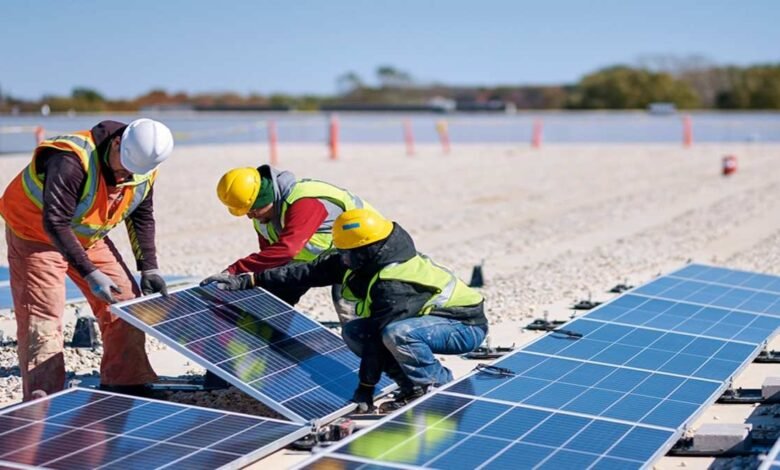
When you’re thinking about putting solar panels on your roof, it’s not just about picking out the shiniest ones. It’s a big electrical project, and that’s where having the right people on board really matters. Trying to do it yourself or hiring someone without the proper electrical background can lead to all sorts of headaches down the road.
Why Having A Licensed Electrical Contractor Is Crucial
Think of your solar setup as a complex electrical system that needs to connect safely and efficiently with your home’s existing power. A licensed electrical contractor brings years of training and hands-on experience to the table. They understand the intricate wiring, the load calculations, and how to make sure everything is up to code. This isn’t just about passing an inspection; it’s about making sure your system works right from day one and continues to do so without causing problems.
- Safety First: Licensed electricians are trained to handle high-voltage systems safely, minimizing risks like electrical shock or fire hazards. They know how to properly ground the system and protect your home.
- Code Compliance: They are up-to-date on all local and national electrical codes, which are there for a reason – to keep things safe and functional. Getting this wrong can lead to fines or require costly rework.
- System Integration: A solar system isn’t standalone. It needs to integrate smoothly with your home’s main electrical panel and potentially with battery storage or the grid. Professionals know how to make these connections solid.
Ensuring System Reliability And Longevity
Getting solar panels installed is an investment, and you want that investment to last. A professional installation from experienced residential solar installers is key to making sure your system performs optimally for years to come. They use the right tools, the right techniques, and high-quality materials to build a system that can withstand the elements and keep producing power.
- Proper Mounting: The racking system that holds your panels needs to be installed securely to your roof. This prevents damage from wind, snow, or even just the weight of the panels over time.
- Quality Wiring: Using the correct gauge wires and making secure connections prevents energy loss and reduces the chance of overheating or component failure.
- Component Selection: Professionals can advise on and install high-quality inverters, optimizers, and other components that are built to last, contributing to the overall longevity of your system.
When you choose a licensed electrical contractor, you’re not just getting panels on your roof; you’re investing in a professionally engineered electrical system designed for peak performance and durability. This foresight prevents future headaches and ensures your solar investment continues to pay off for decades.
Understanding Unique Advantages Of Certified Partners
Many top-tier solar companies partner with leading manufacturers of solar panels, inverters, and battery storage systems. Working with installers who are certified by these partners, like Tesla or SolarEdge, brings a whole other level of benefit. These certifications mean the installers have undergone specific training on those particular products.
- Warranty Protection: Being a certified installer often means your system installation is covered by the manufacturer’s warranty, providing an extra layer of security.
- Access to Latest Technology: Certified partners usually get early access to new products and technologies, meaning you can benefit from the most advanced and efficient solar solutions available.
- Optimized Performance: Training on specific equipment ensures that the system is installed in a way that maximizes its performance, whether it’s optimizing energy capture from each panel or setting up battery storage for maximum savings and backup power.
When To Call A Professional For Electrical Needs
Look, we all like to think we’re handy, right? Maybe you’ve watched a few DIY videos and feel ready to tackle anything. But when it comes to your home’s electrical system, especially after a solar installation, some things are just better left to the pros. It’s not just about getting the job done; it’s about doing it safely and correctly so you don’t end up with bigger headaches down the road.
Signs Of Electrical System Issues
Sometimes, your electrical system will give you hints that something isn’t quite right. Ignoring these can lead to more serious problems, and honestly, nobody wants that. Here are a few things to watch out for:
- Lights flickering or dimming unexpectedly: This could mean a circuit is overloaded or a connection is loose. It might seem minor, but it can sometimes point to a bigger issue.
- Circuit breakers tripping often: If you’re constantly resetting breakers, it’s a clear sign that a circuit is overloaded. This could be from too many things plugged in, or it might be a wiring problem.
- Outlets or switches feeling hot to the touch: This is a definite warning sign. It means heat is building up, which could be from a faulty connection or an overloaded circuit. Definitely not something to ignore.
- Strange buzzing sounds or burning smells: If you hear buzzing from an outlet or smell something burning, turn off the power to that area immediately and call for help. These are urgent signals.
Preventing Safety Concerns And Budget Surprises
Trying to fix electrical issues yourself can sometimes lead to unexpected costs and, more importantly, safety risks. A licensed electrician has the training and tools to diagnose problems accurately and fix them the first time. This prevents minor issues from turning into major, expensive repairs later on. Plus, they know all the codes and regulations, so you won’t have to worry about costly rework or safety violations.
When you hire a professional, you’re not just paying for a service; you’re investing in peace of mind. They can spot potential problems before they become emergencies, saving you time, money, and stress in the long run. It’s about making sure your home is safe and reliable.
The Synergy Local Advantage
When you need electrical work done, especially related to your solar setup, working with a local, experienced contractor makes a big difference. Companies like Synergy Electric Solutions Inc. understand the specific needs of the area and have a proven track record. They’re not just a faceless company; they’re your neighbors, committed to providing reliable service. Their team is licensed, experienced, and focused on making sure your electrical systems, including your solar power setup, are installed and maintained correctly, keeping your home safe and your energy flowing smoothly.
Frequently Asked Questions
How long does it take to install solar panels?
Most home solar panel installations take between 2 to 5 days once everything is ready. This includes getting permits and equipment. The process is quick, and you can start saving on your electricity bills soon after.
Do solar panels work on cloudy or snowy days?
Yes, solar panels still make electricity when it’s cloudy or snowy. They work best in direct sunlight, but even on cloudy days, they can produce some power. In fact, solar panels often work better in cooler weather.
Will solar panels damage my roof?
No, solar panels will not harm your roof if installed by a licensed professional. In many cases, they actually protect the part of your roof they cover from rain, snow, and sun. Always choose a trusted installer to make sure your roof stays safe.
Do I need to clean or maintain my solar panels often?
Solar panels need very little upkeep. Usually, rain will wash away dirt or dust. If you live in a dry area, you might need to rinse them off a few times a year. It’s a good idea to have a professional check your system every few years.
Can solar panels provide power during a blackout?
If your system is connected to the regular power grid, it will turn off during a blackout for safety reasons. However, if you have a battery backup, your solar panels can keep your lights and some appliances on when the power goes out.
What are the ways to pay for solar panels?
You can pay for solar panels with cash, a solar loan, or a lease. Paying with cash gives you the most savings over time. Loans let you own the system without paying everything up front. Leases or Power Purchase Agreements (PPAs) usually have lower starting costs, but you might save less in the long run.