
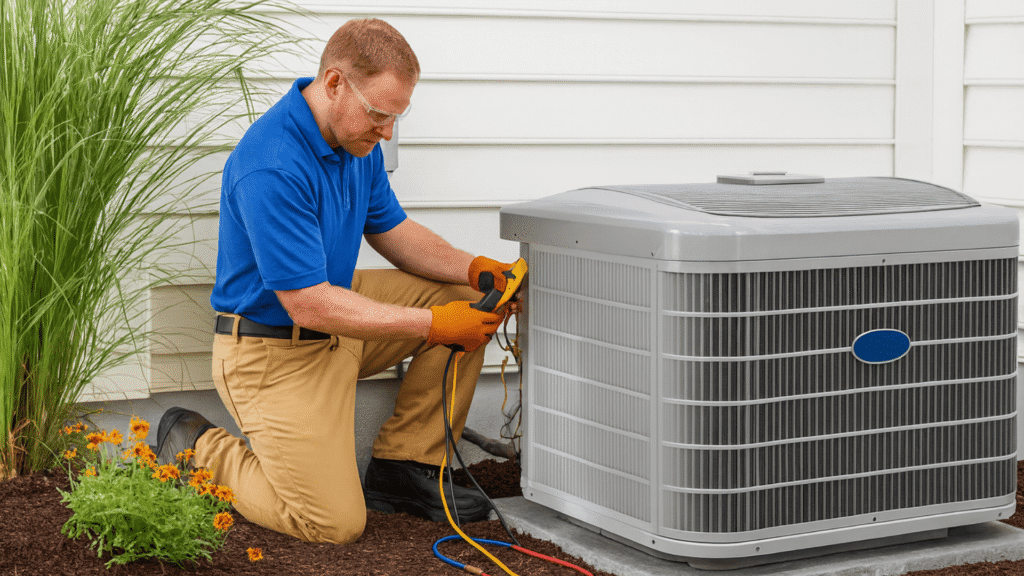

A proper understanding of HVAC system lifespans is crucial for homeowners and property managers seeking consistent climate control while minimizing unexpected costs. An HVAC system, which includes heating, ventilation, and air conditioning units, operates under constant demand, often facing extreme temperature fluctuations and heavy energy consumption during peak seasons. Its longevity is influenced not only by the brand and model but also by the quality of installation, maintenance routines, environmental conditions, and usage habits. Knowing how long a system should last helps with budget planning, avoiding emergency replacements, and ensuring energy efficiency. We will explore the expected lifespans of different HVAC units, the role of maintenance, common signs of aging, strategies to extend their lifespan, and factors that affect performance over time. Having a clear understanding of these aspects allows property owners to make informed decisions and maximize their investment in comfort and efficiency.
Average Lifespan of HVAC Systems
HVAC systems vary widely in their expected operational lifespan, typically ranging from 10 to 25 years, depending on the system type and environmental conditions. Air conditioners and heat pumps tend to have shorter lifespans, usually between 12 and 15 years, due to frequent exposure to outdoor weather conditions, refrigerant cycles, and heavy cooling loads during summer months. On the other hand, furnaces, particularly gas models, often last longer, sometimes exceeding 20 years, as they operate indoors and are less exposed to external stressors. Hybrid systems, which combine heating and cooling functions, generally fall somewhere in between. Homeowners who invest in regular maintenance and timely inspections through Westlake Village HVAC Services can ensure their units operate efficiently and reach their full expected lifespan.
Factors that influence lifespan include manufacturing quality, frequency of use, installation accuracy, climate, and the consistency of preventive maintenance. Units operating in extremely hot or cold climates experience greater wear and tear than those in moderate climates. Additionally, systems that run continuously in large homes or commercial buildings experience accelerated component fatigue. Understanding these variations allows homeowners and managers to plan for replacements, budget appropriately, and make strategic decisions regarding repairs or upgrades. It also emphasizes the importance of selecting systems designed to handle the specific demands of the environment in which they are installed.
The Role of Maintenance in Longevity
Maintenance is perhaps the most critical factor in extending the operational life of an HVAC system. Regular care, including cleaning or replacing air filters, checking refrigerant levels, inspecting ductwork, and lubricating moving parts, ensures that the system operates efficiently and avoids unnecessary stress on key components. Seasonal inspections can detect minor problems, such as worn belts, loose electrical connections, or blocked condensate drains, before they escalate into major failures that could shorten system life. Professional servicing allows the system to operate within the manufacturer’s specifications, preserving compressor and motor function and preventing energy loss.
Even simple maintenance practices, such as keeping the outdoor unit clear of debris, leaves, and snow, can prevent airflow obstruction and subsequent strain on the system. Consistently following a maintenance schedule not only reduces the likelihood of sudden breakdowns but also enhances energy efficiency, lowers utility costs, and prolongs equipment life. Homeowners who neglect maintenance may face premature failure, higher repair costs, and reduced comfort, highlighting the direct relationship between care and longevity. Maintenance also enables monitoring of the system’s performance trends, providing data to plan future upgrades and ensuring that the HVAC unit remains capable of meeting household or building demands.
Common Signs of Aging HVAC Units
Recognizing the warning signs of an aging HVAC system is essential for preventing costly failures and maintaining a comfortable indoor environment. As units age, several indicators may signal that components are approaching the end of their useful life. These include inconsistent temperature control, unusual or loud noises, rising energy bills, frequent cycling on and off, and reduced airflow through vents. Visible issues such as rusted coils, water leaks, or ice formation on cooling elements indicate inefficiencies or potential system breakdowns. Older units may struggle to meet current energy standards or perform effectively in extreme weather, particularly when paired with outdated ductwork or poorly insulated spaces.
Other less obvious signs include uneven heating or cooling across rooms, recurring minor repairs, and frequent circuit breaker trips. Identifying these problems early allows homeowners to plan for a replacement or targeted repairs, minimizing downtime and preventing a total system failure. It also enables consideration of more efficient modern systems that may reduce operating costs and environmental impact. Timely recognition of these signs is a proactive approach that helps property owners maintain consistent comfort levels while avoiding emergency replacements, which are often more expensive and disruptive.
Understanding the lifespan of an HVAC system is vital for maintaining comfort, energy efficiency, and financial planning. Air conditioners and heat pumps generally last 12 to 15 years, while furnaces and hybrid systems may operate up to 20 years with proper care. Regular maintenance, early recognition of signs of aging, consideration of environmental factors, and mindful operational strategies all contribute to extending a system’s functional life. Property owners who prioritize preventive care and informed usage can avoid unexpected breakdowns, optimize energy efficiency, and delay costly replacements.
By planning ahead and implementing effective strategies, homeowners ensure that HVAC units provide reliable performance for many years, maintaining indoor comfort and protecting long-term investments. With knowledge of these factors, it becomes possible to manage system performance effectively and enjoy consistent heating and cooling without unnecessary disruption or expense.