Owning an older home often comes with character, history, and architectural charm that newer constructions rarely replicate. However, beneath the visible appeal lies a network of aging plumbing that may no longer meet modern performance or safety expectations. We will explore why repiping is a necessary consideration in such homes, especially when materials degrade or systems struggle to keep up with daily use. Understanding the implications of outdated pipes, the warning signs of failure, and the replacement process can help homeowners make informed decisions. With the right awareness, repiping transitions from a daunting project into a strategic investment in long-term property functionality.
Recognizing the Limitations of Aging Plumbing Systems
Older houses often rely on piping materials such as galvanized steel, cast iron, or even polybutylene, all of which have varying lifespans and vulnerabilities. Over time, these materials corrode internally, restricting water flow and compromising water quality. Homeowners may notice reduced water pressure, discolored water, or frequent leaks—symptoms that indicate structural deterioration in the plumbing system. Beyond inconvenience, aging pipes can also pose health risks due to rust buildup or the potential presence of harmful substances.
Additionally, older systems were not designed to meet the water demands of modern appliances, resulting in inefficiencies and recurring repairs, a concern often observed in homes across Summerville, SC. Repiping becomes a practical solution when maintenance costs begin to outweigh the value of patchwork fixes. By addressing the root cause rather than temporary issues, homeowners can restore reliability and improve daily living conditions while preventing unexpected system failures that could cause extensive property damage.
Choosing the Right Materials for Long-Term Performance
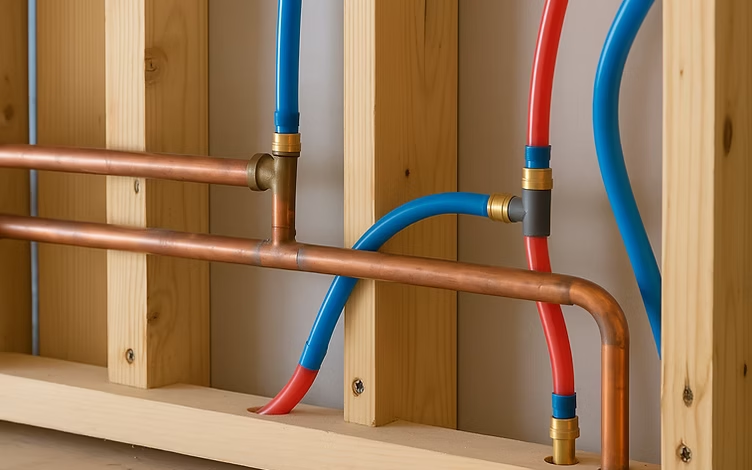
When undertaking a repiping project, selecting appropriate materials plays a critical role in ensuring durability and efficiency. Modern options such as PEX, copper, and CPVC each offer distinct advantages depending on the home’s structure and water usage patterns. PEX, for instance, is flexible and resistant to scale buildup, making it suitable for complex layouts, while copper is known for its longevity and resistance to bacteria. CPVC provides a cost-effective alternative with strong resistance to high temperatures.
The choice often depends on factors such as budget, climate conditions, and local building codes. It is also essential to consider how these materials interact with existing fixtures and whether they can support future upgrades. A well-planned material selection not only enhances performance but also minimizes maintenance requirements over time. Homeowners who understand these differences are better positioned to make decisions that align with both immediate needs and long-term property goals.
Understanding the Repiping Process and Timeline
Repiping an entire house may sound disruptive, but modern techniques have streamlined the process, reducing inconvenience. Typically, the project begins with a comprehensive assessment of the existing plumbing layout, followed by strategic planning to replace pipes with minimal structural impact. Professionals often work section by section, ensuring that water access remains available throughout most of the process. Depending on the size of the home and the complexity of the system, repiping can take anywhere from a few days to over a week.
Walls or floors may need to be opened temporarily, but careful restoration ensures that the home returns to its original condition. Clear communication and scheduling help homeowners prepare for temporary adjustments during the project. Understanding the workflow in advance allows for realistic expectations and smoother coordination, ultimately making the transition from old to new plumbing far more manageable than many anticipate.
Evaluating Costs and Long-Term Value
Repiping represents a significant financial commitment, but it should be viewed through the lens of long-term value rather than immediate expense. Costs can vary based on the size of the home, the chosen materials, and labor requirements, yet the investment often pays off by eliminating recurring repair bills and improving system efficiency. New piping can increase property value, making the home more attractive to potential buyers who prioritize reliability and updated infrastructure.
Insurance considerations may also come into play, as some providers offer more favorable terms for homes with modern plumbing systems. Beyond financial aspects, the value of consistent water pressure, improved water quality, and reduced risk of leaks contributes to overall peace of mind. When weighed against the cumulative costs of ongoing maintenance and potential damage from pipe failures, repiping emerges as a proactive step that secures both the home’s functionality and its future.
Repiping an old house is more than a technical upgrade; it is a comprehensive improvement that addresses hidden vulnerabilities within the property. By understanding the limitations of aging systems, selecting suitable materials, and preparing for the process, homeowners can approach the project with clarity and confidence. The benefits extend beyond immediate functionality, influencing property value, safety, and daily comfort. While the initial investment may seem substantial, the long-term advantages often justify the decision. A well-executed repiping project transforms outdated plumbing into a dependable system that supports modern living, ensuring the home remains both practical and resilient for years to come.