A roof is one of the most important components of any home, providing protection, insulation, and structural integrity. Over time, however, roofs experience wear and tear from weather, environmental conditions, and the natural aging process. Homeowners often face the difficult decision of whether to repair a damaged roof or replace it entirely. We will explore the factors that influence this decision and how to approach it thoughtfully. Understanding the signs of damage, your roof’s age, and the potential costs involved can help prevent further problems and preserve your home’s value. Making the right choice between repair and replacement can save time, money, and stress in the long run, ensuring your home remains secure and comfortable.
Signs That Indicate a Roof Needs Attention
Recognizing the early warning signs of roof damage is essential to preventing small issues from becoming major problems. In Indianapolis, missing or broken shingles, curling edges, and granule loss are all indicators that the roof is deteriorating and may need attention soon. Water stains on ceilings or walls, mold growth, and leaking areas inside the home suggest the roof’s protective barrier has been compromised. Additionally, sagging sections of the roof or noticeable structural changes can signal significant underlying damage. Roof age is another critical factor; most asphalt shingle roofs last around 20 to 25 years, while other materials like metal or tile may have longer lifespans. Homeowners should also consider recent severe weather events, such as hail, heavy winds, or ice, which can accelerate deterioration. Evaluating these signs collectively helps determine whether a repair is sufficient or a full replacement is necessary.
Advantages of Repairing Your Roof
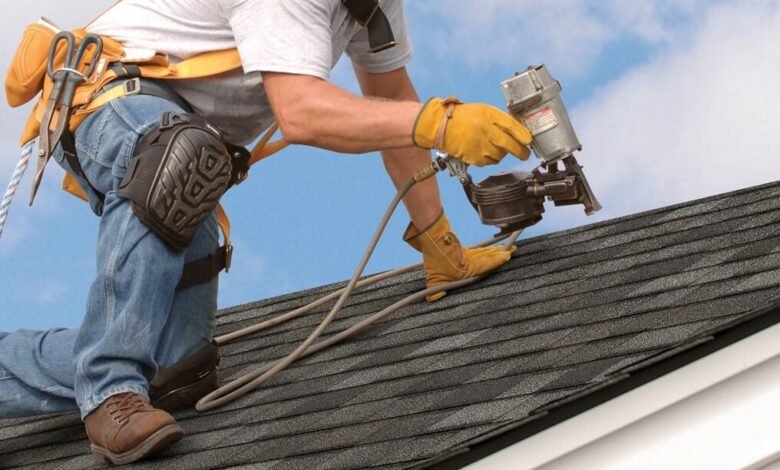
Repairing a roof is often a practical choice when damage is localized or limited in scope. Small leaks, isolated shingle damage, or minor flashing issues can typically be fixed without replacing the entire roof. Repairs tend to be more cost-effective in the short term, allowing homeowners to address immediate problems without a large investment. Additionally, repair work can extend the life of an aging roof by reinforcing vulnerable areas and preventing further deterioration. For homeowners who plan to stay in their home for only a few more years, repairs may offer a temporary solution without the commitment of a full replacement. Choosing repair also allows for flexibility in scheduling and budgeting, as the work can often be completed quickly and with less disruption to daily life. Proper assessment of the damage ensures that repairs will be effective and long-lasting.
Situations That Call for a Full Roof Replacement
While repairs can solve minor issues, there are circumstances where a complete roof replacement is the safer and more practical option. Extensive damage across multiple areas, significant leaks, or large-scale structural issues may indicate that repairs are no longer sufficient. Roofs that have reached the end of their expected lifespan often require replacement to maintain safety and efficiency. A full replacement also provides the opportunity to upgrade materials, improve insulation, and enhance the home’s overall energy efficiency. Additionally, repeated repairs over time can become costly and less effective, making replacement a more economical long-term solution. Homeowners considering a replacement should also factor in potential increases in home value and aesthetic improvements, which can benefit both personal enjoyment and resale potential.
Evaluating Costs and Longevity
Cost is a critical consideration when deciding between repair and replacement. While repairs are usually less expensive up front, recurring issues can add up significant expenses over time. Replacing the roof involves a larger initial investment, but it often provides greater longevity and reliability. Material choice, labor costs, and local market rates influence pricing, so homeowners should seek estimates and consider long-term value. Insurance coverage may also affect the decision, particularly if damage results from storms or other covered events. Beyond finances, evaluating the lifespan and durability of repair versus replacement helps homeowners plan for the future. A well-maintained replacement can last decades, whereas repairs may require continued attention and monitoring, potentially adding inconvenience and stress.
Preventive Measures to Extend Roof Life
Taking preventive steps can prolong a roof’s life and reduce the need for frequent repairs or premature replacement. Regular inspections, especially after severe weather, help identify and address minor problems early. Keeping gutters and downspouts clean prevents water buildup that can damage shingles and flashing. Trimming overhanging branches reduces the risk of physical damage and debris accumulation. Proper attic ventilation and insulation minimize moisture and temperature extremes that can accelerate deterioration. By maintaining a proactive approach, homeowners can ensure their roof remains effective and functional, avoiding emergency situations. Preventive care also helps maximize the return on investment, whether the roof is repaired or replaced, ensuring the home’s protection and peace of mind for its occupants.
Deciding whether to repair or replace a roof requires careful assessment of damage, age, cost, and long-term needs. Repairs can be practical for localized issues or temporary solutions, while full replacements address extensive damage, aging, and repeated problems. Considering the financial implications, longevity, and preventive measures helps homeowners make informed choices that protect their property. Regular inspections and maintenance extend the roof’s life and reduce unexpected issues, providing security and comfort for the household. By thoughtfully evaluating all factors, homeowners can choose the approach that best preserves their home’s structural integrity and ensures lasting performance. Making the right decision maintains safety, efficiency, and value, creating a reliable shelter for years to come.