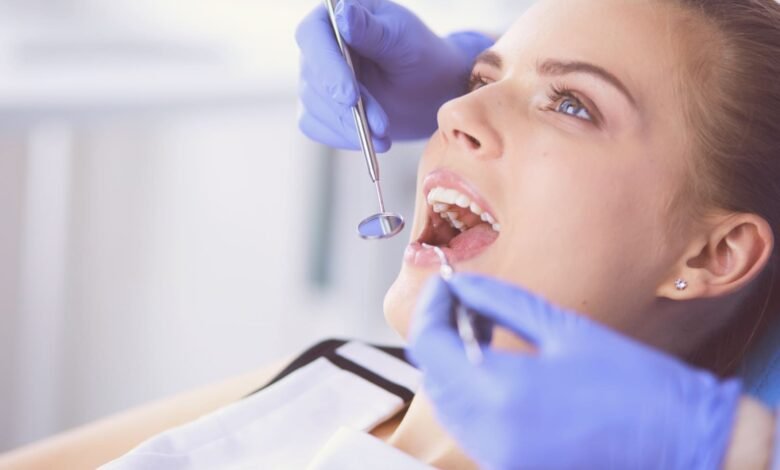
Mouth breathing may seem like a harmless habit, but it can quietly change the conditions inside the mouth in ways that support tooth decay. Teeth are not damaged by sugar alone. Cavities form when acids produced by bacteria stay on enamel long enough to dissolve minerals faster than saliva can repair them. Breathing through the mouth often reduces moisture, alters saliva flow, and shifts the balance of bacteria and acids. Over time, those changes can increase the risk of decay, even in people who brush regularly. This is why dentists often ask about dry mouth, snoring, congestion, and sleep patterns when they see repeated cavities. Understanding the link helps people notice the cause early and address it in practical, realistic ways.
Grounding Risk in Business Reality
How Mouth Breathing Dries the Mouth
One of the biggest reasons mouth breathing increases the risk of decay is simple dehydration of oral tissues. When the lips remain open, airflow passes over the teeth and tongue, accelerating evaporation. Saliva is the mouth’s natural defense system because it washes away food particles, dilutes acids, and supplies minerals like calcium and phosphate that support enamel repair. With less saliva coating the teeth, plaque becomes thicker and more acidic, especially in the areas that dry out the most, such as the front teeth and along the gumline. Mouth breathing also tends to worsen overnight, which matters because saliva naturally drops during sleep. That means a person who breathes through their mouth at night can spend many hours with low saliva flow, a dry tongue, and a sticky plaque layer that remains in place until morning. Dental teams often discuss this pattern with patients, and https://thedentalstudiowilliamstown.com.au/ is one example of a clinic site where people can learn about checkups and prevention discussions that consider factors such as dryness and breathing. Dryness can also irritate gums, making them tender and inflamed, which can indirectly increase plaque retention and make cleaning less comfortable.
Why Saliva Quality Matters for Enamel
Saliva is not just water; it is a buffered fluid that helps maintain a stable mouth pH. When mouth breathing reduces saliva flow, the pH in plaque can drop more quickly after meals and can take longer to recover. A lower pH favors acid-producing bacteria and accelerates demineralization, the first step toward a cavity. This is why people with dry mouth often see chalky white spots on enamel, which are early warning signs that minerals are being lost. Saliva also contains proteins that help form a protective pellicle layer on teeth, and that thin film influences how bacteria attach. When the protective balance shifts, bacteria that tolerate acidic conditions can gain ground, increasing the likelihood that plaque remains aggressive for longer. Another factor is that mouth breathing can change where saliva pools. If the tongue sits lower and the lips part, saliva may not circulate as effectively across the front teeth, leaving them more exposed to acid attacks. These changes are gradual, so decay risk can rise quietly until a cavity appears. The pattern can be confusing for people who feel they are brushing their teeth correctly y, yet keep getting new decay.
Nighttime Mouth Breathing and Hidden Acid Exposure
Nighttime mouth breathing is often associated with nasal blockage, allergies, enlarged tonsils, a deviated septum, or sleep-disordered breathing. Regardless of the cause, sleeping with an open mouth creates a long period of low moisture and low buffering, which is a perfect environment for acids to linger. Many people wake up with a dry throat, sticky teeth, bad breath, or a coated tongue, and these signs often indicate reduced saliva and increased bacterial activity overnight. Decay risk can be higher on the upper front teeth and near the gumline because airflow dries those surfaces more than the protected areas behind the cheeks. Some people also clench or grind their teeth while they sleep, and while grinding does not cause cavities directly, it can create micro-wear and expose fresh surfaces where plaque can cling. If a person also has acid reflux, mouth breathing can compound the problem by reducing the saliva that normally dilutes acid. The combined effect is longer acid contact time, which is one of the most important drivers of demineralization. Parents may notice this in children who snore, sleep with their mouths open, or have frequent cavities despite good brushing. It is not about blaming habits; it is about spotting a preventable risk factor early.
Diet, Plaque Behavior, and Dry Mouth Cycles
Mouth breathing can make the mouth feel dry, which can lead to more frequent sipping of sweet drinks, sports drinks, or flavored waters, especially in kids and teens. Frequent sugar exposure feeds bacteria, but the bigger issue is frequency. Each time sugars or starches hit plaque, acids rise, and pH falls, and it takes time for saliva to restore the pH to neutral. With dry mouth from mouth breathing, recovery takes longer, so the teeth spend more time in a demineralizing environment. Even healthy foods can contribute if they are sticky or eaten constantly, because any fermentable carbohydrate can fuel acid production. Dry mouth also makes plaque feel rougher and more persistent, so people may brush harder, irritate gums, and still miss the plaque tucked near the gumline. Another cycle is mouth breathing during exercise. Heavy breathing can dry the mouth, and if a person also uses gels or sweet drinks, acid exposure rises further. Practical prevention focuses on changing the environment, not just brushing more. The goal is to support saliva production, reduce acid levels, and improve cleaning comfort so plaque does not remain on teeth for long.
Mouth breathing increases tooth decay risk because it dries the mouth, reduces saliva buffering, and allows acids to stay on enamel longer. Saliva protects teeth by washing away food, neutralizing acids, and replenishing minerals in enamel. When saliva is low, cavities can develop faster and with fewer obvious warning signs. Nighttime mouth breathing is particularly important because it creates many hours of dryness when saliva is already reduced. Over time, plaque becomes more acidic, enamel loses minerals, and small weak spots can turn into cavities. The good news is that this risk factor is often manageable with a combination of breathing support, hydration, fluoride use, and plaque control. If dry mouth, snoring, or recurring cavities keep recurring, a dental visit paired with a medical evaluation for nasal or sleep issues can help identify the cause and reduce future decay.