
Slip and fall accidents can happen almost anywhere, including stores, apartment buildings, workplaces, sidewalks, parking lots, and private homes. Although a fall may seem minor at first, it can lead to painful sprains, broken bones, head injuries, or lasting mobility problems. Recognizing common hazards is one of the most practical ways to reduce the risk.
When a dangerous condition causes an injury, documenting the area, reporting the problem, and obtaining appropriate medical care can be important next steps. People with serious injuries or complicated insurance questions may also choose to speak with personal injury lawyers about their situation. Every incident is different, but quick action can help preserve useful information.
1. Wet or Slippery Floors
Spilled drinks, tracked-in rainwater, recently mopped floors, leaking equipment, and bathroom moisture significantly impair traction and can lead to losses of balance. Immediate cleanup of spills, proper warning signage during floor cleaning, and addressing persistent leaks are essential for safety. Ensuring clear aisles and dry surfaces is a fundamental workplace safety priority. According to OSHA, wet floors, spills, and clutter are key factors contributing to slips, trips, and falls. Maintaining cleanliness and dryness, particularly in entryways, kitchens, restrooms, and areas with frequent liquid use, is crucial for preventing accidents.
2. Uneven Walking Surfaces
Cracked pavement, raised sidewalks, potholes, loose bricks, uneven floor transitions, and damaged carpeting pose serious tripping hazards, particularly in crowded areas where such defects may blend into the surface. Regular inspections are crucial for identifying minor issues before they escalate into severe risks. Simply applying visible repairs is often insufficient, as temporary patches and abrupt elevation changes can still lead to accidents. To mitigate risk, it’s important to clearly mark hazardous areas and provide safe alternative routes until a permanent repair is completed.
3. Cluttered Walkways
Boxes, power cords, merchandise, tools, open drawers, loose bags, and debris can block a walking path. Clutter is often preventable, yet it becomes hazardous when people are carrying items, rushing, looking at a phone, or moving through a poorly organized space. Hallways, stair landings, emergency exits, and commonly used paths should remain clear.
At home, everyday objects can create similar problems. Shoes left on stairs, extension cords across rooms, and loose pet toys may be easy to overlook. Establishing a designated storage place for frequently used items helps reduce avoidable obstacles.
4. Poor Lighting
Dim lighting makes it harder to spot a step, puddle, curb, change in flooring, or object in the path of travel. Burned-out bulbs, broken fixtures, inadequate parking lot lights, and shadows near stairways can all increase the chance of a fall. Lighting should be bright enough to clearly illuminate walking surfaces without creating harsh glare.
Entrances, staircases, exterior paths, garages, and bathrooms deserve special attention because people often use these spaces when tired, carrying objects, or transitioning from daylight to darkness. Motion-activated lights can be useful in low-traffic areas, provided they activate reliably before someone enters the space.
5. Loose Flooring and Mats
Rugs without non-slip backing, curled carpet edges, loose tiles, torn vinyl, and unsecured entry mats can shift or catch underfoot. A mat that slides on polished flooring can be as dangerous as a wet floor. Mats should lie flat, remain firmly positioned, and be replaced when their edges curl or their backing no longer grips the surface.
Flooring problems should not be ignored simply because they appear cosmetic. Wear and tear can change how a surface feels underfoot, especially where flooring materials meet at doorways or transitions.
6. Unsafe Stairs and Handrails
Stairs pose a greater risk because a single missed step can lead to a more severe fall. Common hazards include broken steps, uneven risers, worn treads, loose carpeting, missing handrails, and poor lighting. Handrails should be secure and easy to grasp, while stairways should be free of stored items and moisture.
People should use available handrails, avoid carrying loads that block their view, and take extra care when navigating unfamiliar staircases. If a step feels unstable or damaged, the condition should be reported and avoided until it is repaired.
7. Snow, Ice, and Rain
Weather creates changing conditions on sidewalks, entrances, ramps, stairs, and parking areas. Rain can make smooth surfaces slippery, while snow and ice can conceal curbs, cracks, and changes in elevation. Prompt snow removal, de-icing efforts, drainage maintenance, and absorbent mats near entrances can all help make walkways safer.
Individuals can lower their risk by slowing down, taking shorter steps, keeping their hands free when possible, and wearing traction-enhancing footwear. Outdoor conditions can change quickly, so a route that was safe earlier in the day may become hazardous later.
8. Parking Lot Hazards
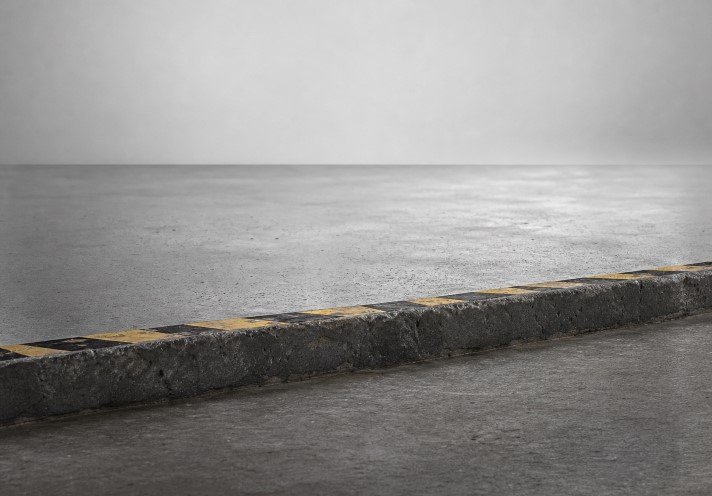
Parking lots combine vehicle traffic with uneven pavement, poor drainage, wheel stops, curbs, debris, and limited lighting. A wheel stop can be hard to see, particularly when it is faded or hidden by a parked vehicle. Potholes and pooled water can also create serious hazards for pedestrians.
Property maintenance should include repainting faded markings, repairing damaged pavement, improving lighting, and ensuring that drainage channels work properly. Pedestrians should stay aware of both vehicles and the ground beneath them.
9. Ladders and Improvised Equipment
Using a chair, box, unstable stool, or other improvised object to reach something can result in a dangerous fall. Even a proper ladder can be unsafe if it is damaged, placed on an uneven surface, or used incorrectly. Before climbing, check that the ladder is stable, fully opened when required, and positioned on a level surface.
Do not overreach. Climb down and reposition the ladder instead. In work settings, employees should receive appropriate training and use equipment suited to the task.
10. Inappropriate Footwear
Footwear affects balance, traction, and stability. Shoes with worn soles, poor tread, loose straps, high heels, or an improper fit can make a slippery or uneven surface more difficult to navigate. The right footwear depends on the setting, but supportive shoes with adequate traction are generally safer for wet, icy, or uneven conditions.
Older adults may face additional fall risks related to balance, vision, medications, and home conditions. The CDC notes that simple fall-prevention steps such as reducing home hazards, reviewing medications with a health professional, and improving strength and balance can help prevent falls. These measures can make homes and daily routines safer.
What To Do After a Slip and Fall
After a fall, seek medical attention when needed, especially for head injuries, severe pain, dizziness, numbness, difficulty walking, or symptoms that worsen over time. If possible, report the hazard, take photographs, collect witness contact information, and keep records of medical visits and related expenses. Avoid assuming that pain will disappear without evaluation, particularly if symptoms interfere with daily activities.
Conclusion
Many slip-and-fall accidents are linked to conditions that can be identified and corrected, from wet floors and clutter to unsafe stairs and poor lighting. Regular maintenance, prompt cleanup, clear walkways, secure flooring, and appropriate footwear can significantly improve safety. Paying attention to hazards before a fall happens is often the most effective protection.
Read Also: flypapermagazine.com