
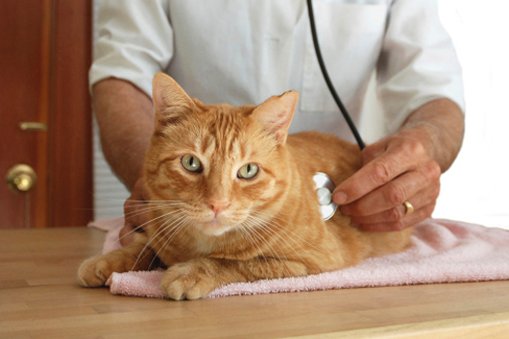

You know when something feels off with your cat, even before there is a clear sign. Maybe she is hiding more, skipping meals, overgrooming, or lashing out during handling. You bring her to a cat clinic because you want answers, but you also want someone to see the full picture, not just a symptom on a chart. That is the heart of better feline care, including cat preventative care in Calgary. The best clinics do more than treat illness. They pay attention to stress, behavior, environment, pain, and the small patterns that shape your cat’s health every day.
4 Ways Cat Clinics Offer Holistic Approaches To Care comes down to this. Good care for cats is not only about vaccines, lab work, and prescriptions. It also includes low stress handling, behavior support, home environment changes, and plans built around your cat’s age, habits, and medical history. That kind of support can change a cat’s comfort level and make your life easier too.
Cat clinics improve care when they treat stress as a medical issue
Cats hide pain well. They also absorb stress in ways that look easy to miss until they become bigger problems. A cat who stops using the litter box may not be “acting out.” A cat who growls during an exam may not be aggressive. Stress can show up as urinary issues, digestive trouble, skin problems, sleep changes, and conflict with other pets.
That is why many feline focused clinics use handling methods built to lower fear from the moment your cat arrives. A quieter waiting area, covered carriers, gentler restraint, and shorter exam room delays can reduce panic before the exam even starts. Research on low stress pet friendly practice design supports these changes because the setting itself affects how animals cope.
When a clinic takes stress seriously, your veterinarian gets a more accurate picture of your cat’s health. A terrified cat may have elevated heart rate, blood pressure, or blood glucose. That can cloud decision making and sometimes lead to extra testing that may not reflect your cat’s normal state.
Feline wellness care works better when behavior and home life are part of the plan
Medical care alone does not fix every problem. If your cat is bored, crowded, startled by noise, or competing for resources with another pet, symptoms can keep coming back. That is where a broader plan matters. A thoughtful cat clinic will ask where the litter boxes are, how many resting spots your cat has, whether feeding areas feel safe, and what changed at home before the problem began.
This is one of the clearest signs of a whole cat care approach. Instead of sending you home with only medication, the clinic may suggest changes that support recovery. More vertical space, puzzle feeders, hiding spots, predictable routines, and separate resources for each cat can reduce strain in the home. Ohio State’s guide to environmental enrichment for confined cats outlines practical ways to make indoor life calmer and more engaging.
You may have seen this yourself. One small change, like moving a litter box away from a loud laundry area, can do more than weeks of frustration ever did. That does not replace medicine when medicine is needed. It supports it.
Cat clinic services are stronger when pain is addressed early and thoroughly
Pain in cats often looks quiet. A cat with arthritis may stop jumping on the bed. A cat with dental disease may still eat, just slower, or only on one side. Many owners blame age or mood because the changes are subtle. Clinics that take a broader view tend to screen for pain in routine visits, not only when there is a crisis.
This matters because untreated pain changes behavior, appetite, mobility, grooming, and sleep. It can strain the bond you have with your cat. If petting suddenly causes a swat, pain may be the reason. If your cat avoids stairs, that may be a clue, not stubbornness.
Integrated cat care often means combining tools rather than relying on one answer. A veterinarian may use medication, weight support, joint friendly home changes, dental treatment, and follow up checks to see what actually improves daily life. The goal is not to chase a perfect diagnosis at all costs. The goal is to relieve suffering and help your cat function better at home.
Cat veterinary care becomes more useful when prevention is tailored to the individual cat
Two cats of the same age can need very different care. One may be an active young indoor cat with stress related cystitis. Another may be a senior with early kidney disease, muscle loss, and rising blood pressure. A clinic that looks at the full picture will build prevention around risk, not habit.
That can include weight monitoring, senior blood work, dental checks, nutrition changes, parasite control, and behavior screening. It may also mean spacing visits in ways your cat can tolerate, using pre visit calming strategies, or planning follow ups around one main goal at a time.
This is where a strong cat clinic stands apart from a one size fits all model. The care feels more personal because it is. Your cat is not a checklist.
Practical differences between standard care and a broader cat care model
| Area of Care | Standard Approach | Broader Cat Care Model |
|---|---|---|
| Exam handling | Focus on speed and restraint | Focus on calm handling, carrier comfort, and fear reduction |
| Behavior concerns | Treated as separate from health | Viewed as part of the medical picture |
| Pain screening | Often addressed after obvious decline | Checked during routine visits for early signs |
| Home environment | Limited discussion | Reviewed for litter box setup, enrichment, and social stress |
| Treatment plan | Centered on medication or procedure | Combines medical treatment with home and behavior changes |
Small steps can help you find better feline care right away
Watch for pattern changes. Keep notes on appetite, litter box habits, grooming, sleep, mobility, and social behavior. A short timeline helps your veterinarian connect symptoms that may seem unrelated.
Prepare your cat for the visit. Leave the carrier out between appointments, add familiar bedding, and use treats or meals near it so it stops feeling like a trap. Less panic on the way in often means a better exam once you arrive.
Ask for a care plan that includes home life. If your cat has recurring issues, ask what environmental or behavior changes could support treatment. That question alone can shift the visit from symptom control to real problem solving.
Thoughtful cat care supports both you and your cat
When your cat is struggling, you feel it in the whole house. Meals become stressful, nights get longer, and every small change can make you worry. Better care does not come from doing more for the sake of doing more. It comes from seeing the full pattern and responding with a plan that fits your cat’s real life. If you are looking for a cat clinic, choose one that treats health, behavior, comfort, and environment as connected parts of the same story.