
A roof does not have to leak to be deteriorating. In many properties, damage begins long before water enters the building, as debris, algae, grime, and trapped moisture quietly wear down roofing materials from the surface.
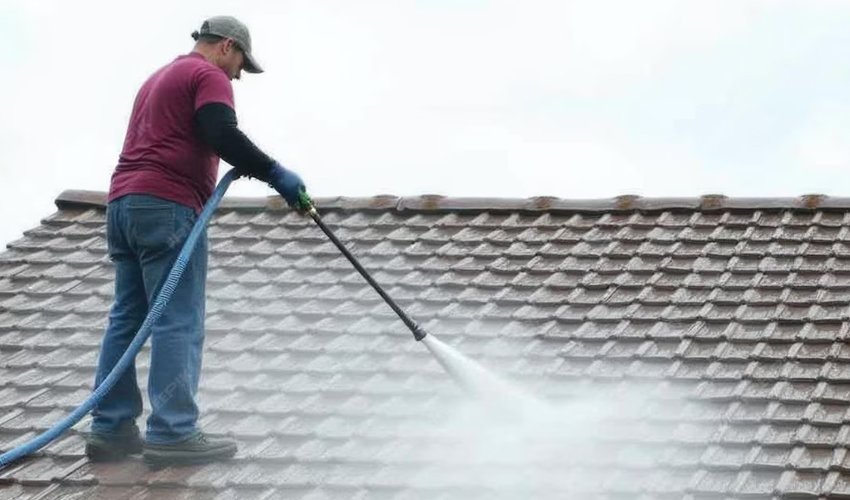
That is why roof cleaning is often misunderstood. For property managers, facility teams, and building owners, cleaning is not just a cosmetic upgrade for curb appeal. It is a maintenance action that helps protect shingles, membranes, coatings, flashings, and drainage performance. When buildup is left in place, it holds moisture, blocks water flow, and accelerates wear, all of which shorten roof life. Routine cleaning, done correctly, reduces those conditions before they turn into repairs.
How Surface Debris Hides Early Roof Damage
- Why Roof Deterioration Gets Missed Early
Early roof deterioration is easy to miss because the warning signs rarely appear from inside the building at first. There may be no ceiling stain, no visible leak, and no urgent service call. From ground level, the roof can appear intact while organic growth, sediment, and debris begin to affect surface condition and drainage behavior.
That gap between appearance and performance creates delays. Many owners wait until leaks or visible material damage appear, but by then, the roof may already be experiencing accelerated aging. Contractors and maintenance teams who monitor roof surfaces closely often catch the quieter signs first, including dark streaking, debris accumulation, ponding patterns, and clogged flow paths that point to avoidable deterioration already underway.
- Buildup Holds Moisture Against Roofing Materials
One of the main ways roof cleaning protects materials is by removing buildup that traps moisture. Leaves, dirt, branches, and organic debris do more than make a roof look neglected. They create damp pockets that stay wet longer after rain and slow drying across the roof surface. Repeated moisture exposure increases stress on roofing materials over time.
This issue is common on low-slope roofs, shaded sections, and roof areas near trees where debris accumulates faster than teams expect. Property managers coordinating exterior maintenance with providers such as Columbus Pressure Washing Service often treat roof cleaning as part of a moisture-control strategy, not just as appearance management. The practical goal is to prevent persistent damp conditions that weaken materials, stress seams, and contribute to premature surface breakdown.
- Organic Growth Speeds Surface Wear
Algae, moss, lichen, and similar growths do more than discolor the roof. They hold moisture at the surface and can interfere with normal drying, especially in shaded areas. Over time, that damp environment contributes to wear on shingles and roof coatings, and it can create conditions where granules loosen, surfaces age unevenly, or protective layers break down faster than expected.
Organic growth also spreads if left untreated, which means a small patch can become a broader maintenance issue. Property teams sometimes postpone cleaning because the roof still appears functional, but discoloration and growth are often early signs that the roof is spending too much time wet. Addressing growth early protects the material and makes future cleaning less aggressive than waiting until the buildup is thick and established.
- Debris Blocks Drainage And Creates Ponding
Roof cleaning directly affects drainage performance. Debris can block scuppers, drains, gutters, and flow paths, causing water to slow down, back up, or pond on the roof. Even minor obstructions can change how water moves, especially during heavy rain. When water remains on the roof longer than intended, materials and seams are subjected to greater stress.
Ponding is not only a drainage nuisance. It increases the duration of water contact on membranes and around penetrations, which can accelerate deterioration and expose weak points sooner. In commercial properties, recurring ponding in the same area often points to a combination of slope conditions and neglected surface cleaning. Removing debris early helps maintain the intended drainage behavior and reduces the time roofing materials remain under moisture load.
- Dirt And Sediment Hide Early Damage
A dirty roof surface can conceal small signs of deterioration that would otherwise be caught during routine inspections. Sediment, dust, and organic residue can mask cracks, seam changes, blistering, loose flashing edges, and coating wear. When the surface is heavily soiled, maintenance teams are less likely to identify minor issues while they are still inexpensive to address.
Clean roofs are easier to inspect accurately. That matters for property managers who want to plan repairs rather than respond to sudden leaks. Roof cleaning improves visibility, making it easier to spot developing problems in vulnerable areas such as penetrations, transitions, and drainage points. In that sense, cleaning is not separate from inspection; it supports better inspection quality and earlier intervention.
Preventing Premature Wear Starts At The Surface
Roofing materials usually deteriorate faster when moisture, debris, and organic growth are allowed to remain on the surface. That deterioration can begin long before leaks appear, which is why roof cleaning should be treated as preventive maintenance rather than cosmetic upkeep. By removing buildup, supporting drainage, and improving inspection visibility, cleaning helps protect the roof system from avoidable stress.
For property managers, facility teams, and building owners, the practical payoff is straightforward: cleaner roofs tend to be easier to inspect, easier to maintain, and less likely to develop hidden moisture-related wear between service intervals. When roof cleaning is done consistently and with the right methods, it extends the useful life of roofing materials. It reduces the risk that minor surface neglect will lead to premature roofing failure.