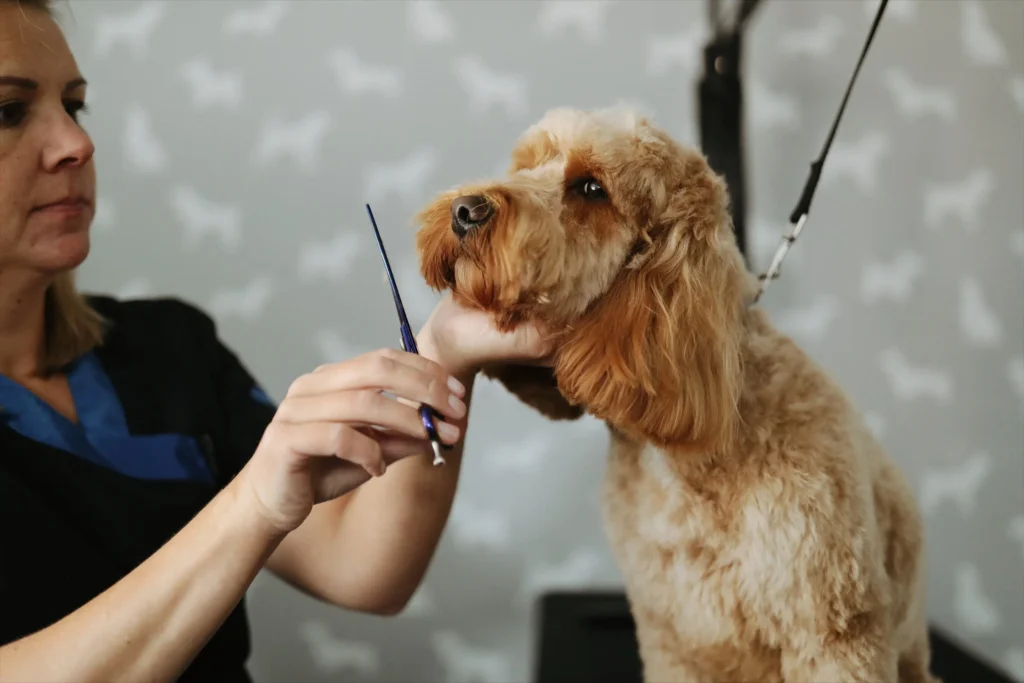

Skin problems in pets often start quietly under the coat, long before an owner notices itching or sees a rash. Dense fur can hide redness, damp patches, tiny scabs, or irritated spots created by mats, friction, allergies, or parasites. Groomers inspect the skin because grooming tools and products interact directly with the coat and the skin beneath it, and ignoring irritation can turn a minor issue into a painful flare-up. A quick clip over inflamed skin can cause clipper burn, and brushing a matted area can pull and tear sensitive tissue. Skin checks also help groomers choose safer techniques, adjust product selection, and decide whether to refer a pet to a veterinarian before a full groom continues. This inspection is part of keeping pets comfortable, not just making them look tidy.
What skin inspections help prevent
- Coats can hide discomfort and early inflammation.
Many pets tolerate irritation without obvious signs, especially if the spot is under thick hair or in a place they cannot easily reach. Groomers look for subtle clues such as flaking, redness near the skin line, small bumps, or areas where the coat feels greasy or sticky. They part the fur into sections and check high-friction areas such as behind the ears, under the collar, in the armpits, around the groin, and near the tail base. Moisture trapped under mats can create hot, tender skin that smells sour, even when the outer coat looks dry. Groomers also watch how a pet reacts during handling. A sudden head turn, stiff posture, or pulling away when a certain area is touched can signal hidden soreness. Identifying irritation early allows the groomer to slow down, support the skin while brushing, and avoid aggressive dematting that could worsen the problem. It also helps owners understand that what looks like normal tangling can actually be a comfort issue that needs gentler care and more frequent grooming intervals.
- It guides tool choices and reduces grooming-related irritation.
Skin inspection directly affects how a groomer chooses blades, scissors, brushes, and drying methods. Clippers running over irritated skin can cause razor-like discomfort, especially if the coat is thin or the skin is already inflamed. A groomer who finds redness may use a longer blade, reduce pressure, and keep clipper passes to a minimum to limit heat buildup. Brushing choices change, too. A slicker brush used with too much pressure can scratch sensitive skin, while a comb might snag if the coat is tight. Groomers often switch to slower, section-by-section work and use coat conditioning steps to reduce friction. A Pet Groomer Serving Granite Bay, CA may explain that checking the skin first prevents the common cycle in which a pet arrives matted, the skin underneath is already tender, and brushing aggressively can make the pet fearful of future grooming. Drying decisions also depend on skin condition. High-velocity drying can help shed coats, but it can sting inflamed skin, so groomers may lower airflow, increase distance, or use quieter drying methods. These adjustments protect comfort and help the groom proceed without creating new irritation.
- Mats, moisture, and trapped debris can cause hidden hot spots.
One reason groomers inspect skin is that the coat can trap ingredients that can irritate. Mats hold moisture close to the skin, which softens the skin barrier and encourages inflammation. Dirt, pollen, and grooming product residue can also build up under dense fur, especially around the legs and belly, where pets come into contact with grass and damp ground. When debris is trapped, the pet may scratch or rub, creating tiny breaks in the skin that can become sore. Groomers look for signs such as localized odor, dampness, redness, and hair thinning due to self-trauma. They also check for impacted undercoats, which can block airflow and keep the skin warm and humid. This environment can worsen irritation, even without a serious underlying condition. By identifying where the coat is trapping moisture and debris, groomers can focus cleaning and drying on those zones. They may recommend a shorter trim in specific areas to allow airflow, or suggest home habits such as towel-drying after swims and regular brushing under collars and harnesses. The goal is to remove the conditions that keep irritation active, rather than only treating the visible coat.
Skin checks protect comfort daily.
Pet groomers inspect skin for hidden irritation because coats can conceal redness, moisture, debris buildup, and parasite-related reactions that make grooming painful and can worsen quickly. Early detection guides safer tool choices, gentler handling, and product selection that reduces friction and clipper irritation. Skin checks also uncover problems caused by mats and trapped moisture that create hot spots and tenderness beneath the fur. By spotting patterns and sharing observations with owners, groomers help families address issues sooner and maintain coats that support healthier skin. When irritation is identified early, grooming becomes calmer, pets become more cooperative, and the final result is not only cleaner and neater but also more comfortable for the pet long after the appointment ends.