
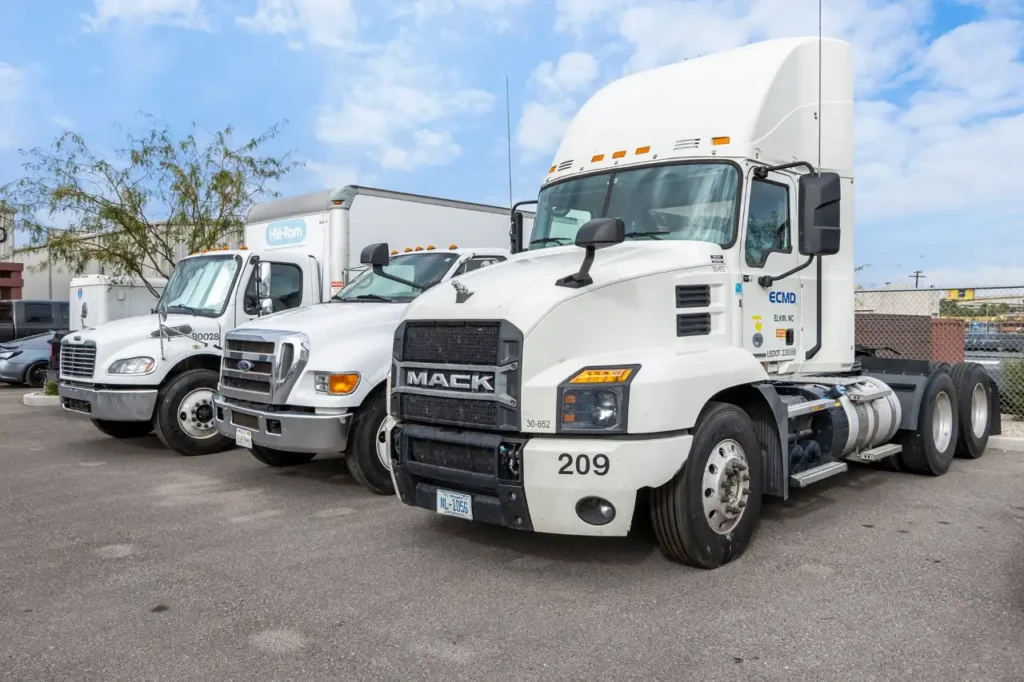

Long haul tractors rarely fail in a convenient place. A coolant hose gives up outside cell coverage, a wheel end starts running hot halfway through a tight delivery window, or a DPF issue derates power on a grade when the schedule has no slack. Predictive maintenance aims to move those events from the shoulder of the highway into the shop bay, where time, parts, and labor are controllable. The shift is not just adding sensors. It is building routines that convert operational signals into decisions about when to inspect, service, and replace components before failure becomes a tow bill. Fleets that do this well treat the tractor as a system with measurable drift, not a machine that is either fine or broken.
How fleets turn signals into action
- Telematics That Separate Noise From Risk
Predictive maintenance starts with selecting a small set of telematics signals that correlate with actual failures. Engine fault codes alone are not enough because they often appear late or intermittently. What matters is trend behavior: coolant temperature stability under load, oil pressure response, intake restriction, fuel economy drift, regen frequency, and battery voltage during start events. When those trends shift, the tractor is telling you something is changing before a dashboard light becomes constant. For many fleets, the first win comes from correlating these signals with repair history to identify which patterns truly predict downtime. An increase in passive regen attempts can indicate soot loading that will soon trigger a forced regen and lost hours. Voltage dips during cranking can reveal battery or starter issues before a no-start. Even subtle increases in engine fan engagement time can indicate cooling system inefficiency that could lead to a roadside overheat in summer. For Canadian Trucking Companies this approach is particularly valuable because long distances and weather variability amplify the cost of surprise failures. The goal is to triage trucks by risk so the shop focuses on the units most likely to strand a driver.
- Component Health Models Built From Real Duty Cycles
Predictive maintenance becomes practical when it respects how the tractor is actually used. Two trucks with the same mileage can have very different wear depending on terrain, idle time, payload, and stop frequency. Fleets build component health expectations around duty cycle, not calendar dates. Brake wear accelerates under urban delivery patterns, while wheel seals and suspension components may experience more wear on rough routes. Aftertreatment systems respond to idle-heavy operation with more frequent regens and higher soot stress. Even oil life varies with load and temperature stability. A meaningful strategy defines thresholds that trigger an inspection window rather than a fixed replacement schedule. For example, a pattern of rising EGT during regen events might trigger a check for exhaust leaks or dosing issues before a sensor fails. Similarly, a steady decline in fuel economy on a specific truck can prompt inspections of intake and boost leaks, injector balance checks, and tire alignment verification. The predictive value comes from linking a trend to a likely failure mode and a specific inspection plan that can be executed quickly.
- Shop Workflow That Makes Prediction Pay
Data does not reduce downtime unless the shop can act on it quickly and consistently. Predictive maintenance works when fleets build a weekly rhythm: review high-risk units, schedule inspections around route planning, and stage parts before the truck arrives. That requires coordination between dispatch, maintenance, and procurement. The most effective fleets use a simple scoring system that blends fault frequency, trend drift, and time since last inspection to prioritize work orders. When the truck hits the yard, the inspection is focused rather than exploratory. Technicians know which signal triggered the visit and which measurements confirm or refute the risk. This reduces wasted labor and avoids unnecessarily tearing into systems. It also helps driver trust. Drivers are more likely to report early symptoms when they see the shop responding with targeted fixes rather than vague advice. Over time, the fleet builds a feedback loop: each predicted issue is tracked against actual findings, thresholds are adjusted, and the model becomes sharper. Predictive maintenance then becomes a culture of learning, not just a software subscription.
- Parts Strategy and Failure Prevention Economics
Predictive maintenance changes how fleets think about parts inventory. Instead of stocking only common failure items, fleets stock the parts that prevent the most expensive downtime events for their routes and equipment mix. If a fleet sees repeated NOx sensor failures with specific duty cycles, it may stage sensors and harness repair kits to reduce derate events. If wheel-end temperature trends predict bearing issues, the fleet may stock seal kits and bearings for common axles, along with tools to speed repair. The economics are straightforward: the cost of a staged part is often lower than the cost of a missed delivery, hotel cost for a driver, and a tow to a shop that may not have the right component. Predictive signals also help negotiate with vendors, as data can justify warranty claims and reveal patterns associated with specific component batches. At the same time, fleets must avoid replacing parts too early. The goal is the narrow band where risk is rising, but the component still has a predictable service life. That band is found through disciplined tracking, not guesses.
Keeps Trucks Rolling Predictably
Predictive maintenance for long-haul tractor units succeeds when fleets treat drift as actionable information. Telematics trends that correlate with real failures, duty-cycle-aware component models, and a shop workflow built for targeted inspections turn uncertainty into scheduled work. The payoff shows up in fewer roadside events, tighter route reliability, and better control of maintenance spend, as repairs shift from reactive to planned. Predictive maintenance is not about chasing every data point. It is about identifying the few signals that matter, responding with specific checks, and continuously refining thresholds based on what technicians actually find. When the loop is tight, the tractor becomes more predictable, drivers stay moving, and the fleet earns reliability that customers notice.