
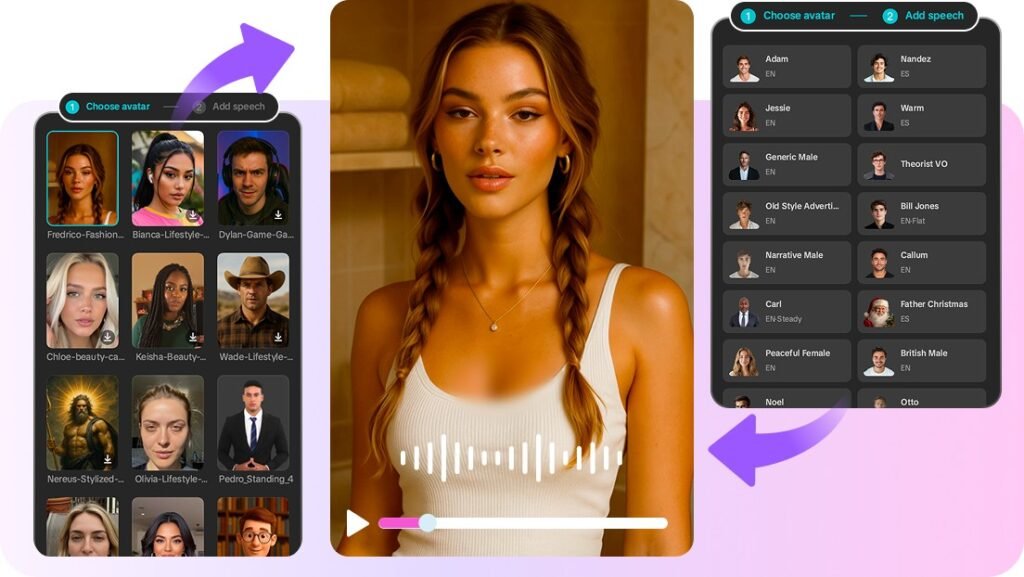

Video has become one of the most powerful communication formats on the internet. From educational tutorials and marketing explainers to social media storytelling, creators increasingly rely on video to convey ideas quickly and effectively. However, producing consistent on-camera content can be challenging. Recording setups, lighting conditions, scheduling, and editing requirements often slow down the production process. In response to these challenges, many creators have begun exploring tools like the ai avatar generator, which allow digital presenters to deliver messages without the need for traditional filming.
AI avatars are changing how individuals and organizations approach video communication. Instead of requiring a human presenter to appear on camera for every piece of content, creators can now generate virtual presenters that deliver scripts in a natural and visually engaging format. When used thoughtfully, this approach allows teams to scale video production while maintaining a consistent visual identity.
Why AI Avatars Are Becoming Popular in Content Creation
The growth of AI-powered avatars reflects a broader shift in digital content production. Creators are increasingly looking for ways to balance quality with efficiency.
Traditional video production often involves several logistical challenges:
• Scheduling recording sessions
• Setting up cameras, lighting, and microphones
• Recording multiple takes
• Editing footage to remove mistakes or pauses
For creators producing frequent content—such as online courses, product explainers, or social media updates—these steps can become time-consuming. Tools like an ai avatar generator provide an alternative approach by generating a digital presenter who can deliver a script automatically.
This allows creators to focus on message clarity and storytelling rather than technical production logistics.
Transforming Written Scripts into Video Presentations
One of the most practical uses of AI avatars is turning written scripts into engaging video presentations. Instead of filming a person reading a script, creators can generate a virtual presenter that speaks the content while maintaining consistent tone and delivery.
A typical workflow often looks like this:
Step 1: Write a clear and structured script
The script remains the most important part of the process. A well-organized message ensures that the final video communicates ideas effectively.
Step 2: Select a suitable avatar style
Different avatars may represent different visual tones—from professional presenters to more casual digital personalities.
Step 3: Generate the video presentation
Using an ai avatar generator, the script is converted into a video where the avatar delivers the message with synchronized speech and facial expressions.
Step 4: Refine the video with visuals
Creators often add background visuals, captions, or supporting graphics to enhance engagement.
This process dramatically reduces the time required to produce presenter-style videos while maintaining a polished appearance.
Integrating AI Avatars with Video Generation Tools
While avatars handle the presentation aspect of a video, additional tools can help generate supporting visuals and scenes. Many creators combine avatar technology with broader video generation platforms to build complete video experiences.
For instance, after generating an avatar presentation, creators may use an ai video generator to produce background footage, transitions, or animated scenes that support the narrative.
This integrated workflow offers several advantages:
Consistent visual storytelling
The avatar acts as the host of the video while generated visuals illustrate key ideas.
Faster production cycles
Creators can produce full-length videos without recording footage manually.
Flexible content updates
If the script changes, the avatar presentation can be regenerated quickly without re-recording.
This combination of avatar presentation and automated video generation allows creators to produce educational or marketing videos at a much larger scale.
Where AI Avatar Videos Work Best
Although AI avatars are versatile, they tend to perform particularly well in certain types of content.
Educational tutorials
Online instructors often use avatar videos to explain concepts while maintaining a clear and consistent teaching style.
Corporate training
Companies producing internal training materials can use avatars to deliver instructions without requiring employees to appear on camera.
Product demonstrations
For technology or software products, avatars can introduce features while supporting visuals demonstrate how the product works.
Multilingual content
AI avatars can generate videos in multiple languages, helping organizations reach broader global audiences.
In each of these scenarios, avatars reduce the logistical barriers associated with filming while still providing a human-like presentation style.
Best Practices for Creating Effective Avatar Videos
Even though AI simplifies the technical side of video creation, thoughtful content design remains essential. Experienced creators often follow several best practices when producing avatar-driven videos.
Focus on clear messaging
Short, well-structured scripts are easier for viewers to follow and produce smoother avatar delivery.
Support the narration with visuals
Avatar presentations are more engaging when accompanied by graphics, animations, or relevant footage.
Maintain a consistent tone
Choosing a consistent avatar style across multiple videos helps build brand identity and audience familiarity.
Edit for pacing
Even when the video is generated automatically, adjusting scene timing or inserting pauses can improve viewer comprehension.
By combining these practices with AI tools, creators can ensure their videos remain informative and engaging.
How AI Avatars Expand Creative Possibilities
One of the most interesting aspects of AI avatars is how they expand the range of content formats available to creators. For example, a single written script might be used to produce several variations:
• A formal educational lecture version
• A short social media summary
• A product introduction video
• A multilingual version for international audiences
Because avatar-based videos can be generated quickly, creators can experiment with different styles and lengths without committing to a full production setup each time.
This flexibility makes AI avatars particularly valuable for teams that need to publish content frequently.
The Future of AI-Driven Video Communication
As AI technologies continue to evolve, digital avatars are likely to become more expressive and customizable. Future systems may allow creators to design unique avatar identities, adjust body language, or integrate avatars seamlessly with interactive content.
Rather than replacing human presenters entirely, AI avatars will likely serve as an additional communication tool—particularly useful for situations where scalability, speed, and consistency are important.
Creators who learn how to combine scriptwriting, avatar presentation, and automated video generation will be well positioned to adapt to the growing demand for video-based communication.
Conclusion
Video remains one of the most effective ways to communicate ideas online, but traditional production methods can slow down the creative process. AI-powered tools offer new ways to streamline video creation while maintaining a professional presentation style.
By using an ai avatar generator to create digital presenters and combining it with an ai video generator to produce supporting visuals, creators can build efficient workflows that transform written ideas into engaging video content. When integrated thoughtfully, these tools allow individuals and teams to scale their storytelling while keeping the focus where it belongs—on clear communication and meaningful ideas.