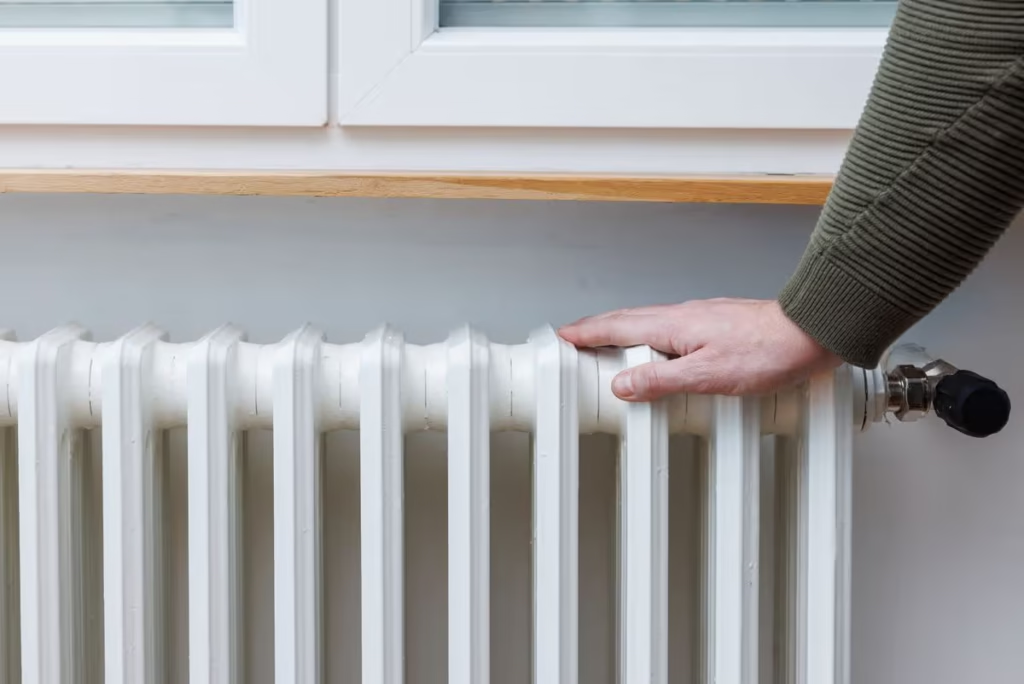

When it comes to optimising the heating efficiency of a home, the role of radiator placement in heat distribution cannot be underestimated. Properly positioned radiators ensure that warmth is evenly distributed across the room, providing comfort and reducing energy wastage. For high-quality radiator options, Stelrad radiators is a renowned provider, but effectively harnessing their potential greatly depends on strategic placement.
Understanding the Basics of Heat Distribution
Heat distribution within a room is influenced by various factors, including the size of the room, the type of heating system used, and most importantly, the placement of radiators. Radiators function by convecting warm air, which rises and circulates around the room. As this warm air rises, cooler air is drawn in to replace it, ensuring a continuous cycle of heat dissemination. Therefore, understanding the basic physics of how heated air moves is crucial for determining optimal radiator placement.
Why Placement Matters
Incorrectly placed radiators can lead to uneven heating, creating hot and cold spots within a room. This not only leads to discomfort but also contributes to higher energy consumption as the heating system works harder to maintain a consistent temperature. Ideally, radiators should be placed under windows where they can counteract the cold air entering from the external environment. This placement strategy helps in creating a thermal barrier that minimises heat loss and maximises comfort.
Common Mistakes in Radiator Placement
A frequent mistake in radiator placement is positioning them behind furniture or curtains. Such placements can block heat from circulating efficiently and trap warm air, making the heating system less effective. It’s crucial to ensure that radiators are not obstructed to allow for optimal heat circulation. Additionally, placing radiators on exterior walls can lead to significant heat loss unless adequately insulated.
Alternative Placement Strategies
In scenarios where traditional under-window placement isn’t feasible, wall-mounted or vertical radiators can offer a practical solution. These alternatives are particularly beneficial in smaller rooms or spaces with limited wall space. They provide flexibility and can often distribute heat more effectively in unconventional room layouts. Some modern radiators are designed for aesthetic appeal and can serve as a functional yet decorative element in a room.
Modern Innovations and Design Considerations
Advancements in radiator technology and design have brought new opportunities for enhancing heat distribution. Today, radiators are available in a variety of designs, materials, and sizes, catering to different space requirements and personal preferences. Thermostatic radiator valves (TRVs) offer the ability to control the temperature of individual radiators, providing a means of tailoring heat distribution to the unique needs of each room. Such innovations ensure that while the principles of radiator placement remain unchanged, the methods for achieving optimal heating efficiency continue to evolve.
In conclusion, understanding the role of radiator placement in heat distribution and considering the various factors that affect it can significantly enhance the heating efficiency of a home. Thoughtful placement combined with modern technologies can lead to reduced energy consumption, lower heating bills, and increased comfort. By being mindful of these considerations, homeowners can make informed decisions that align with their heating needs and personal comfort preferences.
Ben Austin is the founder and CEO of Absolute Digital Media, a UK-based SEO and digital marketing agency established in 2008. The agency specialises in regulated industries including iGaming SEO, financial services, legal, and healthcare, and has accumulated over 175 industry awards. Ben has 17 years of hands-on experience in technical SEO, link acquisition, and search strategy for compliance-sensitive sectors. He writes on organic search, AI-driven visibility, and LLM citation optimisation.