

Introduction
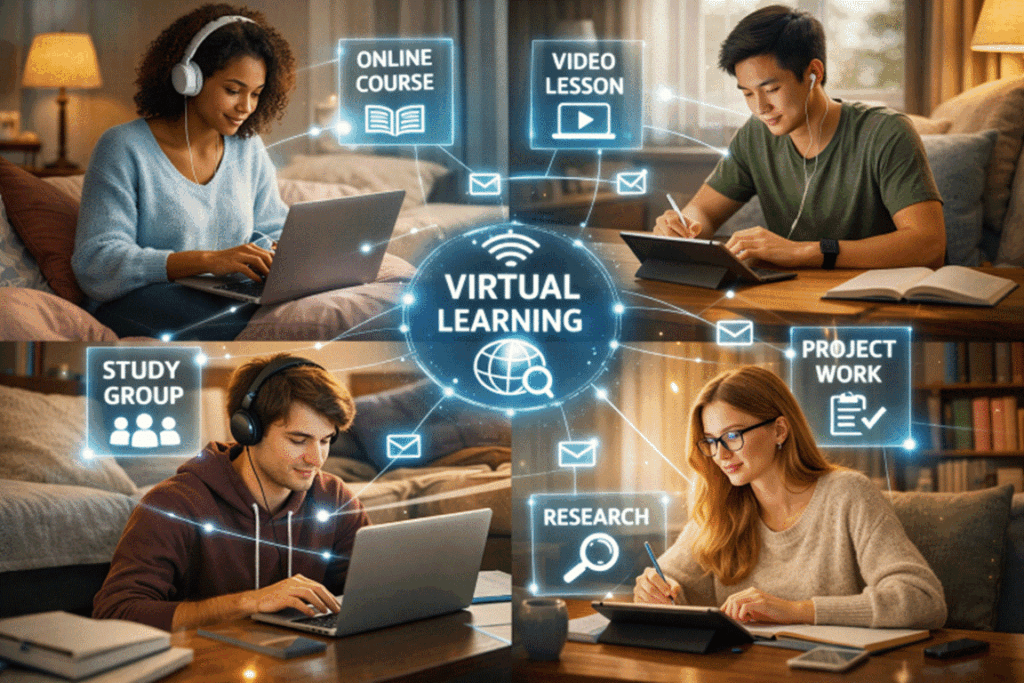
The landscape of higher education is evolving rapidly as digital transformation reshapes how students and educators connect with course material. Traditional barriers to learning are being dismantled, offering new opportunities to a wide range of learners. Now, individuals who once faced substantial obstacles to academic growth may pursue higher education with unprecedented convenience and flexibility. One standout example is the increasing availability of Online Master Degrees from Miami University, which provide access to quality programs for students regardless of their location or daily obligations.
This evolution is not just about delivering courses on a screen. It involves a holistic shift in the methods, tools, and philosophies guiding higher education. As online learning becomes more integrated and accepted, it is transforming both learner expectations and institutional strategies to better align with a more technologically interconnected world. Notably, online education has introduced pathways for non-traditional students, including working adults, parents, and those living far from campus, to participate meaningfully in higher learning communities. This wave of accessibility is changing who can be a college student and what it means to be educated in the 21st century. With broader access, institutions must also address complex questions about quality, engagement, and the skills needed for tomorrow’s workforce. As universities adapt to these changes, hybrid and fully online programs are becoming key components in preparing learners for dynamic social and economic environments. Online degrees have emerged as a major force in democratizing education. Instead of being limited by geography, financial constraints, or life circumstances, more students are entering degree programs that fit their individual needs. The asynchronous nature of most online courses allows learners to study on their own schedule, making it possible to juggle academic progress with work or family commitments. This flexibility is especially beneficial for single parents, military personnel, and adult learners aiming to further their education without pausing their careers.
Technological Advancements Enhancing Learning
Technological innovation has made online classes more accessible and effective than ever before. Artificial intelligence and adaptive learning platforms provide instructors with tools to personalize learning. These technologies analyze student performance to recommend specific materials or interventions, significantly improving learning outcomes. Meanwhile, virtual laboratories and simulation software enable students in chemistry, biology, and engineering to gain hands-on experience from their home computers.
Further, online classrooms can leverage discussion forums, live webinars, and collaborative cloud-based projects, all of which promote interaction and community building. Multi-media resources and gamified learning techniques are also keeping students engaged and invested in their progress. These advancements contribute to a more immersive and tailored educational journey, lowering the risk of dropout and boosting real-world skill acquisition.
Challenges in Online Education
Despite notable growth, online education presents unique hurdles. One major challenge is maintaining student engagement and accountability without the physical presence of classmates and instructors. It is easy for learners to feel isolated or disengaged when interactions are mediated through screens. To combat this, schools are investing in structured virtual communities, mentorship programs, and interactive assignments designed to keep learners motivated. Ensuring the quality and credibility of online programs is another ongoing concern. Institutions must regularly update course content, embrace new teaching tools, and provide robust assessment strategies. Some disciplines, such as lab sciences or performing arts, are inherently hands-on, making a full online adaptation difficult. These fields often require innovative solutions, such as augmented reality or local partnerships, to provide practical learning experiences.
The Role of Online Education in Workforce Development
Online degrees are uniquely positioned to address the rapidly evolving demands of the labor market. Institutions are working closely with industry leaders to design curricula that match current job skills, ensuring graduates are job-ready upon completion. Short skills-based certificates and micro-credentials frequently complement full degree programs, helping professionals upskill quickly in response to changing industry trends. This employer-driven approach reduces the gap between what students learn and what employers need, making online programs particularly attractive to career-focused learners. Moreover, many employers now recognize the credibility of accredited online degrees, further validating this pathway as a viable route to career advancement.
Blending Online and In-Person Learning
The future of higher education lies in the thoughtful integration of online and in-person learning experiences. This hybrid model leverages the flexibility of online methods while still promoting the connection and mentorship found in face-to-face settings. Students can attend lectures virtually, participate in online discussions, and visit campus periodically for labs, networking, or exams. This blend allows universities to reach more students without sacrificing educational quality or the benefits of campus life. Hybrid learning also caters to different learning styles and life circumstances, providing a pathway for each student to maximize their educational potential. As institutions pilot new models, feedback from students and faculty alike helps refine hybrid delivery, ensuring it supports engagement, knowledge retention, and real-world readiness.
Conclusion
Online degrees are at the forefront of a transformation in higher education. By broadening access, leveraging advanced technologies, and fostering stronger connections between academia and the workforce, these programs offer a flexible, inclusive solution for today’s learners. Overcoming current challenges while embracing ongoing innovation will help define an adaptable, high-quality educational landscape for years to come.