
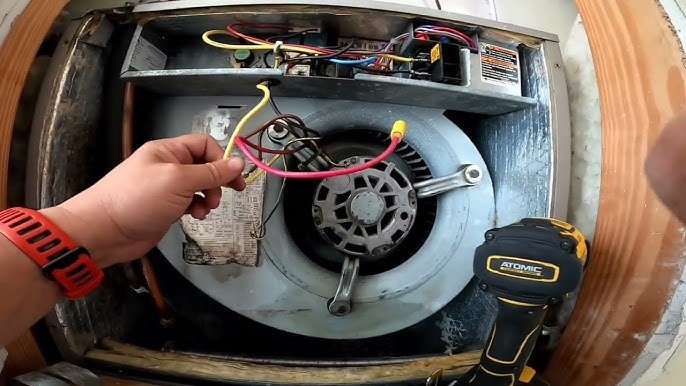

A furnace depends on more than heat production to keep a home comfortable. Even when the burners are operating correctly, the system still needs the blower motor to move air through the ductwork and into the living space. When that motor starts failing, homeowners may notice weak airflow, strange noises, rooms that stay cold, or a furnace that shuts down before the house feels warm. These problems can appear gradually or all at once, depending on what is affecting the motor. In many cases, the issue is not limited to one broken part. Blower performance often declines due to strain, electrical issues, dirt buildup, or airflow conditions that force the motor to work harder than it should.
What Strains the Motor
- Restricted Airflow Can Overwork the Motor
One of the most common reasons a furnace blower motor stops working properly is that the system has been operating with restricted airflow for too long. The motor is designed to move a steady volume of air, but when the filter is clogged, return vents are blocked, ductwork is restricted, or the evaporator coil is dirty, the motor has to push against extra resistance. That added strain can raise operating temperature, slow performance, and shorten the life of internal components. A homeowner may first notice that the furnace sounds normal, but the air coming from the vents feels weaker than before. In some homes, certain rooms stop warming evenly because the blower can no longer move enough air through the full duct system. Over time, that kind of stress can affect bearings, windings, and the capacitor that helps the motor start and run correctly. Even if the furnace continues turning on, the blower may struggle to maintain proper speed or shut off unpredictably. This is one reason airflow problems should never be treated as minor comfort issues alone. They can directly contribute to motor wear, which eventually disrupts the entire heating system’s operation.
- Electrical Problems Can Disrupt Normal Operation
A blower motor can also stop working properly because of electrical issues that interfere with how it starts, runs, or changes speed. Capacitors are a frequent source of trouble because they provide the boost needed for the motor to start and maintain consistent operation. When a capacitor weakens, the motor may hum without starting, start slowly, or run erratically under load. Wiring connections, control board problems, damaged relays, and voltage irregularities can create similar symptoms. In some cases, the blower runs intermittently, which makes the problem harder to diagnose because the furnace may seem normal during one cycle and weak during the next. Homeowners may assume the thermostat is at fault when the actual issue is that the motor is not receiving stable electrical support. A call for Furnace repair service often begins when people notice that the system heats briefly, but the airflow never feels consistent from one cycle to the next. Electrical issues do not always produce dramatic sparks or visible damage. Sometimes they simply weaken the motor’s ability to perform its job, and that gradual loss of dependable operation leads to poor airflow, longer run times, and growing strain on the rest of the furnace.
- Dirt, Wear, and Age Slowly Reduce Performance
Blower motors often decline due to normal wear and the accumulation of dust and debris over time. Furnaces move a large volume of air, so the blower compartment is constantly exposed to particles that can accumulate on the wheel, housing, and motor surfaces. As dirt builds up, the blower wheel can become less balanced and less efficient at moving air. That imbalance may lead to vibration, added noise, and extra stress on the motor bearings. Older motors are especially vulnerable because years of use can wear down internal components even if the system still appears operational from the outside. Bearings may begin to drag, lubrication may no longer adequately protect moving parts, and heat from repeated winter operation can gradually damage motor windings. When this happens, the blower may still run, but not with the same strength or stability it once had. Homeowners may notice squealing, rattling, overheating smells, or a furnace that cycles oddly because the blower is no longer keeping airflow where it needs to be. Age alone does not guarantee failure, but older motors have less tolerance for dirt, friction, and operating stress, which is why small issues often become larger performance problems as equipment ages.
Why Blower Motors Stop Working Properly
A furnace blower motor usually stops working properly due to ongoing strain, electrical issues, dirt buildup, aging parts, or system conditions that increase resistance and wear. Sometimes the decline is sudden, but more often it builds slowly until airflow weakens enough for comfort problems to become obvious. The motor is a component of the furnace that depends on clean airflow, a stable electrical supply, and appropriate operating conditions. When any of those are missing, performance drops, and the heating system can no longer move warm air as it should. That is why blower motor trouble often signals more than one issue and should be viewed as part of the furnace’s overall health, not just a single failed component.