

ntroduction
In our image-centric world, quality images are more important than ever. From photographers to marketers to content creators, the need for high-quality visuals is ever increasing.
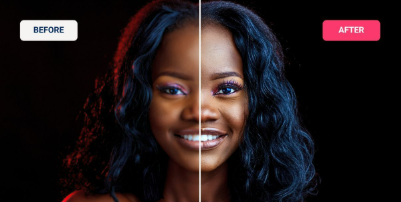
Solutions such as AI image upscaler are revolutionising our approach to image enhancement, allowing creators to upscale, sharpen and generate breathtaking 4K Ultra HD images with ease. This is changing the landscape of digital photography and visual content creation.
The Evolution of Image Enhancement Technology
From traditional manual editing to advanced AI-driven technologies, the evolution of image enhancement has come a long way. Original technologies took hours to edit and could produce varying results.
Now, artificial intelligence streamlines and enhances it with precision. In this regard, AI tools like AI enhance image have become essential. They use deep learning to study textures, edges and patterns to achieve previously unattainable results.
Key advancements include:
- Smart resolution increase without blurring
- Automated noise reduction
- Restoration of old or damaged images
- Real-time enhancement capabilities
This progression means that creators can spend less time worrying about technical aspects, and more time crafting compelling narratives.
Why High-Resolution Visuals Matter in Content Marketing
Images are key to engagement, brand identity and conversions. Low-resolution images can convey amateurism and lack of quality, whereas high-definition images instantly convey professionalism.
Benefits of high-quality images:
- Improved user engagement: Blurry images don’t grab attention
- Stronger brand identity: Quality image builds trust
- Higher conversion rates: Quality images drive sales
- SEO advantages: Better images boost rankings
For business owners, better visuals are more than just cosmetic.
How AI Upscaling Works Behind the Scenes
AI upscaling uses machine learning models that have learned from millions of images. These models know how the subject should look at a higher resolution and intelligently fill in the blanks.
The process typically involves:
- Image analysis: AI identifies edges, patterns and textures
- Detail reconstruction: Missing pixels are generated intelligently
- Noise reduction: Unwanted artifacts are removed
- Resolution enhancement: Image is scaled to higher dimensions
In contrast to conventional resizing, which stretches pixels, AI generates new information to preserve image quality and realism.
Practical Applications for Creators and Professionals
AI-powered image upscaling tools have many applications. They have many uses in photography, retail and beyond.
Common use cases:
- Photographers: Enhance portraits and landscapes for print or digital use
- E-commerce businesses: Improve product images for better sales
- Designers: Upscale assets for high-resolution displays
- Social media managers: Create visually appealing posts
- Archivists: Restore historical photographs
These technologies allow users to produce professional-quality images with minimal editing experience.
Best Practices for Using AI Image Enhancement Tools
There are some best practices to consider for using AI enhancement tools. Though the tools are powerful, using them wisely will help you get the best results.
Tips for effective enhancement:
- Start with the best possible source image: AI can enhance but it can’t fix poor images
- Avoid over-processing: It can create artificial-looking images
- Choose appropriate resolution settings: Set for your application (web, print, etc.)
- Maintain consistency: Apply similar enhancements to different projects
- Review results carefully: Check results to match your expectations
Through the marriage of AI and human ingenuity, stunning images can be created.
The Future of Visual Content Creation
The future of digital images is more advanced as AI technology advances. New tech is extending depth in realism, automation and control.
Trends to watch:
- Real-time enhancement in cameras and apps
- Integration with AR/VR experiences
- AI-driven creative editing suggestions
- Hyper-realistic image reconstruction
These technologies will continue to merge real and virtual images, and create new opportunities for creators.
Conclusion
The use of AI in digital photography and visual content creation is a game-changer. It offers professionals the ability to not only work faster but with greater quality, making the creation of high-resolution images more affordable and possible.
As processes continue to improve, taking advantage of tools such as AI to enhance image quality will be the norm. Early adopters will be well served in producing high-quality visual content that cuts through the clutter.