
Introduction to Chimney Repair
Chimney repair refers to the process of inspecting, fixing, and restoring damaged or deteriorated chimney structures to ensure safe and efficient operation. Chimneys play an essential role in venting smoke, gases, and combustion byproducts from fireplaces, furnaces, and heating systems out of a building. Over time, exposure to heat, moisture, weather conditions, and soot buildup can cause structural and functional issues that require professional repair.
Proper chimney repair is not just about improving appearance; it is primarily about safety, preventing fire hazards, and ensuring proper ventilation. A damaged chimney can lead to smoke leakage, carbon monoxide exposure, and even structural instability if left untreated.
Importance of Chimney Repair and Maintenance
Chimney repair is important because it directly affects the safety and efficiency of heating systems in a building. A properly functioning chimney ensures that smoke and harmful gases are safely expelled outside, maintaining healthy indoor air quality.When chimneys are neglected, cracks, blockages, or deterioration can lead to dangerous situations such as chimney fires or gas backflow into living spaces. Regular repair and maintenance help prevent these risks while also improving heating efficiency and reducing energy waste.
Chimney maintenance also protects the structural integrity of the building by preventing water infiltration, which can cause damage to walls, ceilings, and roofing systems over time.
Common Chimney Problems
Chimneys are exposed to harsh environmental and operational conditions, which makes them prone to several common issues that require repair.
Bricks and mortar joints can crack due to temperature changes, moisture exposure, and aging materials, weakening the chimney structure.Creosote is a flammable residue that accumulates inside the chimney from burning wood, increasing the risk of chimney fires if not cleaned regularly.Water leaks occur when the chimney cap, flashing, or masonry is damaged, leading to moisture penetration and interior damage.Debris, bird nests, or soot buildup can block the chimney flue, restricting airflow and causing smoke to enter the home.The chimney crown protects the top structure from water damage, and cracks in this area can lead to significant deterioration.
Types of Chimney Repairs
Chimney repair services vary depending on the severity and type of damage present in the structure.Masonry Repair.This involves fixing or replacing damaged bricks and mortar joints to restore structural stability and appearance.Flue Repair.Flue repairs address issues with the internal lining of the chimney, ensuring proper ventilation and safe exhaust flow.Chimney Cap Replacement.Replacing a damaged or missing chimney cap helps prevent water entry, debris accumulation, and animal intrusion.Waterproofing.Waterproofing treatments are applied to chimney surfaces to protect against moisture damage and extend the lifespan of the structure.Crown Repair.Repairing or rebuilding the chimney crown prevents water infiltration and protects the upper structure from weather exposure.
Chimney Inspection Process
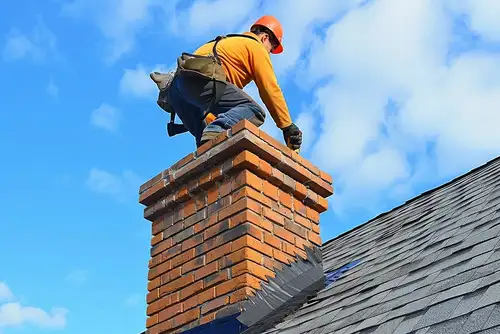
A thorough chimney inspection is the first step in identifying repair needs. Professional inspectors examine both the interior and exterior of the chimney for signs of damage, blockages, or wear.Inspections typically include checking the masonry condition, flue integrity, chimney cap, and flashing system. Advanced tools such as cameras may be used to inspect hard-to-reach areas inside the chimney.Regular inspections are essential for early detection of problems, which helps prevent costly repairs and safety hazards.
Chimney Repair Process
The chimney repair process begins with a detailed assessment to determine the extent of damage. Once issues are identified, a repair plan is created based on priority and severity.Damaged bricks and mortar are removed and replaced during masonry repair, while cracks in the chimney crown are sealed or reconstructed. Blockages are cleared from the flue to restore proper airflow, and damaged caps or flashing are replaced to prevent leaks.After repairs are completed, the chimney is tested to ensure safe and efficient operation.
Timely chimney repair provides multiple benefits that improve safety, efficiency, and property value.One of the most important benefits is fire prevention, as removing creosote buildup and fixing structural issues reduces the risk of chimney fires. Proper repair also improves air quality by ensuring that smoke and gases are properly vented outside.Energy efficiency is another benefit, as a well-maintained chimney supports better heating system performance. Additionally, chimney repairs help preserve the structural integrity of the building and prevent costly long-term damage.
Cost Factors in Chimney Repair
The cost of chimney repair depends on several factors, including the type of damage, materials required, chimney height, and labor complexity.Minor repairs such as sealing cracks or replacing caps are generally more affordable, while major structural repairs or flue replacements can be more expensive. Accessibility and chimney conditions also influence overall costs.Although chimney repairs may require investment, they are essential for preventing larger safety and structural issues in the future.
Many homeowners neglect chimney maintenance until serious problems arise, which can lead to costly repairs and safety hazards.One common mistake is ignoring regular cleaning, which allows creosote buildup to accumulate. Another issue is delaying repairs after noticing small cracks or leaks, which can worsen over time.Improper DIY repairs without professional expertise can also lead to ineffective fixes or further damage to the chimney structure.
Professional Chimney Repair Services
Professional chimney repair services provide expert inspection, diagnosis, and repair solutions to ensure safety and long-term performance.Experienced technicians use specialized tools and techniques to identify hidden issues and perform precise repairs. They also ensure compliance with safety standards and building codes, which is critical for safe chimney operation.Hiring professionals is especially important for major repairs or older chimneys that require structural restoration.
Maintenance Tips for Chimney Longevity
Regular maintenance is essential to extend the lifespan of a chimney and reduce repair needs. Annual inspections help detect early signs of damage and ensure proper functioning.Cleaning the chimney regularly removes soot and creosote buildup, while checking for cracks and leaks helps prevent structural deterioration. Installing a chimney cap and ensuring proper waterproofing also protects against environmental damage.Modern chimney repair focuses on improved materials, safety enhancements, and energy efficiency. Stainless steel liners are increasingly used for better durability and heat resistance.Advanced waterproofing materials provide long-lasting protection against moisture damage, while improved chimney caps enhance ventilation and prevent debris entry.Smart monitoring systems are also emerging, allowing homeowners to track chimney performance and detect issues early.
Conclusion
.Smart monitoring systems are also emerging, allowing homeowners to track chimney performance and detect issues early.
Chimney repair is an essential aspect of home maintenance that ensures safety, efficiency, and long-term structural stability. By addressing common issues such as cracks, blockages, and leaks, homeowners can prevent serious hazards and maintain proper ventilation systems.With regular inspections, timely repairs, and professional maintenance, chimneys can operate safely and efficiently for many years, contributing to a safer and more comfortable living environment.