
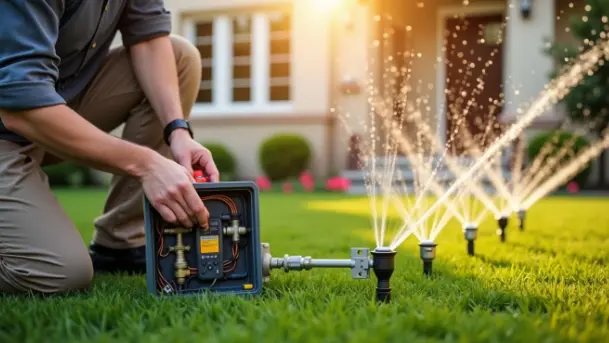

Introduction to Sprinkler System Inspection
Sprinkler system inspection is a critical part of fire safety management in residential, commercial, and industrial buildings. These systems are designed to automatically control or extinguish fires in their early stages, minimizing damage and saving lives. However, like any mechanical system, sprinkler systems require regular inspection and maintenance to ensure they function properly when needed most. Without routine checks, even a small fault can lead to system failure during an emergency.
Understanding sprinkler system inspection helps property owners, facility managers, and safety professionals maintain compliance with fire safety regulations while ensuring maximum protection for occupants and assets.
Importance of Sprinkler System Inspection
The primary purpose of a sprinkler system is to respond quickly in the event of a fire. However, this level of reliability can only be achieved if the system is properly maintained and regularly inspected. Over time, components such as valves, pipes, sprinkler heads, and alarms can become damaged, clogged, or corroded.
Regular inspection ensures that every part of the system is functioning correctly. It also helps identify potential issues before they become serious problems. In many regions, fire safety regulations legally require periodic inspections to ensure compliance and reduce liability risks.
Another important reason for sprinkler system inspection is safety. A malfunctioning system may fail to activate during a fire or may activate incorrectly, causing unnecessary water damage. Proper inspection reduces these risks significantly.
Main Components Checked During Inspection
A sprinkler system consists of several interconnected components, each of which must be inspected carefully to ensure proper operation.
Sprinkler heads are one of the most important elements. Inspectors check for physical damage, corrosion, paint buildup, or obstruction that could affect water discharge. Even a partially blocked sprinkler head can reduce system effectiveness.
Piping systems are also inspected for leaks, corrosion, or structural damage. Pipes must remain in good condition to maintain proper water pressure and flow.
Control valves are another critical component. These valves regulate water flow throughout the system and must be easily accessible and fully operational at all times. Inspectors ensure they are in the correct position and free from tampering.Water supply sources, including tanks and pumps, are tested to confirm adequate pressure and availability. Without sufficient water supply, the entire system may fail to operate effectively.Alarm systems and flow switches are also checked to ensure they activate correctly when water is released. These components are essential for alerting occupants and emergency responders.
Types of Sprinkler System Inspections
Sprinkler system inspections are typically divided into different categories based on frequency and scope.Visual inspections are conducted regularly to identify obvious issues such as leaks, damage, or obstructions. These inspections are often performed monthly or quarterly depending on regulations.Functional inspections involve testing specific components to ensure they operate correctly. This may include activating alarm systems, checking valve operation, and verifying water flow.Annual inspections are more comprehensive and include a detailed review of the entire system. This type of inspection often requires professional fire protection technicians who follow strict safety standards.Some systems may also require internal pipe inspections every few years to check for corrosion, sediment buildup, or internal blockages.
Step-by-Step Inspection Process
A proper sprinkler system inspection follows a structured process to ensure nothing is overlooked. The inspection typically begins with a visual assessment of the entire system. Inspectors look for visible signs of damage, leaks, or obstructions in sprinkler heads and piping.Next, control valves are checked to ensure they are in the correct position and securely locked. Any signs of tampering or improper adjustment are noted and corrected.The water supply system is then tested to confirm that adequate pressure is available. Pumps may be activated to verify proper operation and response time.After that, alarm systems are tested to ensure they activate when water flow is detected. This step is crucial for confirming that occupants will receive timely warnings in case of fire.Finally, inspectors document all findings and recommend repairs or maintenance if needed. A detailed report is typically provided to the property owner or facility manager.
Common Issues Found During Inspections
During sprinkler system inspection, several common issues are frequently identified. One of the most common problems is blocked or obstructed sprinkler heads. Dust, paint, or physical objects can prevent proper water distribution.Corrosion inside pipes is another frequent issue, especially in older systems. Corrosion can weaken the system and reduce water flow efficiency.Leaks in pipes or fittings can also occur over time due to wear and tear. Even small leaks can reduce system pressure and effectiveness.
Improperly positioned or closed control valves are another serious concern. If a valve is accidentally shut off, the entire system may become inactive without anyone realizing it.Faulty alarms or sensors may also be discovered during inspections, which can delay emergency response in case of fire.
Importance of Regular Maintenance
Sprinkler system inspection is closely linked to ongoing maintenance. Regular maintenance ensures that small issues are addressed before they turn into major failures. Cleaning sprinkler heads, replacing damaged components, and testing system pressure are all part of effective maintenance practices.Routine maintenance also extends the lifespan of the system. A well-maintained sprinkler system can function efficiently for decades, providing reliable fire protection throughout its service life.Neglecting maintenance, on the other hand, increases the risk of system failure and can lead to costly repairs or replacements.In many regions, fire safety laws require regular sprinkler system inspections to ensure buildings meet safety standards. Failure to comply with these regulations can result in fines, penalties, or even closure of facilities in severe cases.Compliance also plays a key role in insurance coverage. Many insurance providers require proof of regular inspection and maintenance before approving claims related to fire damage.Proper documentation of inspections is essential. Detailed records help demonstrate compliance and provide valuable information for future maintenance planning.
Role of Professional Inspectors
While some basic visual checks can be performed by building staff, professional inspectors play a critical role in ensuring system reliability. These experts have specialized training and equipment to perform detailed assessments and identify hidden issues.Professional inspectors follow standardized procedures and safety codes to ensure thorough evaluation. They also provide recommendations for repairs, upgrades, or system improvements.Hiring qualified professionals for sprinkler system inspection ensures accuracy, compliance, and peace of mind.Modern technology is improving the way sprinkler system inspections are conducted. Smart monitoring systems can now track water pressure, valve status, and system performance in real time.Some advanced systems use sensors that automatically detect faults and send alerts to maintenance teams. This reduces the need for manual inspections and improves response times.Digital reporting tools also make it easier to store and analyze inspection data, helping facility managers make informed decisions about maintenance and upgrades.
Cost Considerations
The cost of sprinkler system inspection depends on several factors, including the size of the building, complexity of the system, and frequency of inspections. While regular inspections involve ongoing expenses, they are significantly more cost-effective than dealing with fire damage or system failure.Preventive inspection and maintenance help avoid expensive emergency repairs and reduce insurance risks. In the long run, investing in routine inspections saves both money and lives.
Common Mistakes to Avoid
One of the most common mistakes is delaying inspections or ignoring maintenance schedules. This increases the risk of system failure during emergencies.Another mistake is neglecting minor issues such as small leaks or partial blockages. These problems can escalate quickly if not addressed.Improper documentation is also a frequent issue. Without accurate records, it becomes difficult to track system performance and ensure compliance.The future of sprinkler system inspection is moving toward automation and smart technology. Advanced sensors, artificial intelligence, and remote monitoring systems are expected to play a larger role in fire safety management.
Conclusion
Predictive maintenance systems will be able to identify potential failures before they occur, reducing downtime and improving reliability. These innovations will make sprinkler systems more efficient and responsive than ever before.Sprinkler system inspection is a vital part of fire safety management that ensures systems remain fully operational in emergencies. Regular inspections help identify problems early, maintain compliance with regulations, and protect lives and property.
By combining routine checks, professional expertise, and modern technology, building owners can ensure their sprinkler systems deliver reliable performance when it matters most. Proper inspection is not just a legal requirement, it is a critical investment in safety and protection.