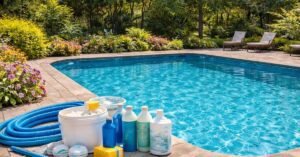

Pool opening is a crucial seasonal process that prepares a swimming pool for safe and proper use after it has been closed for a long period, usually during winter or inactive months. It involves a combination of cleaning, inspection, water treatment, and system reactivation steps that restore the pool to full working condition. Because a closed pool naturally accumulates debris, algae growth, and chemical imbalance over time, proper pool opening is necessary to ensure water safety, equipment performance, and overall hygiene before regular swimming begins.
Understanding Pool Opening and Its Importance
Pool opening refers to the process of restarting a swimming pool after it has been shut down for a season. During this time, the pool is typically covered and left unused, which leads to the buildup of dirt, leaves, bacteria, and chemical instability. The opening process is designed to reverse these conditions and bring the pool back to a clean, balanced, and operational state.
The importance of pool opening lies in safety, water quality, and system protection. Without proper opening procedures, the water can become contaminated and unsafe for swimmers, while pool equipment such as pumps and filters may suffer damage due to inactivity or blockage. A properly executed pool opening ensures that the pool is safe, visually clean, and mechanically ready for use throughout the season.
Pool Cover Removal and Initial Site Preparation
The first step in pool opening involves carefully removing the pool cover, which often contains accumulated water, debris, and dirt from the off-season. This step must be done slowly and carefully to prevent debris from falling into the pool water, as this can increase contamination and make cleaning more difficult.
Once the cover is removed, it should be cleaned, dried, and stored properly to extend its lifespan. After this, the surrounding pool area is also cleaned to remove any leaves, branches, or waste that may have collected around the pool. This creates a clean working environment and prevents additional debris from entering the pool during the opening process.
Water Level Adjustment and Initial Inspection
After the cover is removed, the water level is checked and adjusted to the proper operating height. During the closed season, water levels often drop due to evaporation or minor leakage, so refilling the pool is an essential step before further treatment begins.
At the same time, a visual inspection of the pool is carried out to identify any obvious issues such as cracks, stains, tile damage, or surface wear. This early inspection helps detect potential problems before they worsen and ensures that necessary repairs can be planned during the opening process.
Cleaning, Skimming, and Debris Removal
Cleaning is one of the most important stages of pool opening because stagnant water and closed covers usually result in significant debris accumulation. Skimming the surface is performed first to remove floating materials such as leaves, insects, and dust that have entered the water.
After surface cleaning, vacuuming is done to remove dirt and sediment that have settled at the bottom of the pool during the closed season. This ensures that hidden waste does not affect water quality or filtration performance.
Brushing the walls, floor, and steps of the pool is also necessary to remove algae buildup and prevent future growth. This deep cleaning process restores the pool’s appearance and prepares it for safe chemical balancing.
Water Chemistry Balancing and Shock Treatment
Once the pool is physically cleaned, the next step is restoring proper water chemistry, which is essential for safe swimming conditions. During the off-season, chemical levels become unbalanced, so careful testing and adjustment are required before the pool can be used.
Chlorine is added to disinfect the water and eliminate harmful bacteria and microorganisms that may have developed while the pool was closed. pH levels are adjusted to ensure the water is neither too acidic nor too alkaline, as improper balance can cause skin irritation and damage pool equipment.
Alkalinity and calcium hardness are also tested and corrected to stabilize the water chemistry and protect the pool structure. In many cases, a shock treatment is applied during pool opening to quickly remove contaminants and restore water clarity.
Filtration System Cleaning and Pump Restart
The filtration system plays a critical role in maintaining clean and clear pool water, so it must be carefully inspected and cleaned during pool opening. Filters are checked for blockages and cleaned or replaced if necessary to ensure proper performance.
The pool pump is then restarted to restore water circulation throughout the system. Proper circulation ensures that chemicals are evenly distributed and that debris is continuously filtered out of the water.
Any issues such as leaks, pressure problems, or reduced flow are identified and resolved at this stage to ensure smooth operation during the swimming season.
Equipment Inspection and Functional Testing
Pool opening also involves a complete inspection of all pool equipment to ensure everything is working properly after months of inactivity. This includes heaters, chlorinators, skimmers, lighting systems, and any automated control systems.
Each component is tested individually to confirm proper functionality. Heaters are checked for temperature control, chlorinators are tested for chemical distribution, and pumps are monitored for consistent water flow. Any faulty equipment is repaired or replaced before the pool is fully activated for use.
Structural Inspection and Safety Assessment
A detailed structural inspection is an important part of pool opening because prolonged closure can lead to cracks, surface damage, or weakening of pool materials. The walls, floor, steps, and edges are carefully examined for any signs of damage or wear.
Safety components such as ladders, railings, and surrounding decking are also checked to ensure they are secure and safe for use. Addressing structural issues early helps prevent accidents and reduces long-term repair costs.
Final Testing and Pool Activation
After cleaning, chemical balancing, equipment inspection, and structural checks are completed, the final stage of pool opening involves full system testing. Water circulation is monitored, chemical levels are rechecked, and filtration performance is evaluated to ensure everything is functioning correctly.
The pool is then gradually brought into full operation, allowing systems to stabilize and water conditions to normalize. Once all parameters are balanced and stable, the pool is officially ready for regular use throughout the swimming season.
Conclusion
Pool opening is an essential seasonal process that ensures a swimming pool is clean, safe, and fully operational after a long period of closure. It includes careful steps such as cover removal, deep cleaning, chemical balancing, equipment inspection, and system testing to restore the pool to optimal condition.
When performed correctly, pool opening improves water quality, enhances safety, and extends the life of pool equipment and structure. It also ensures a smooth and trouble-free swimming season, providing clear water and reliable performance for all users.