
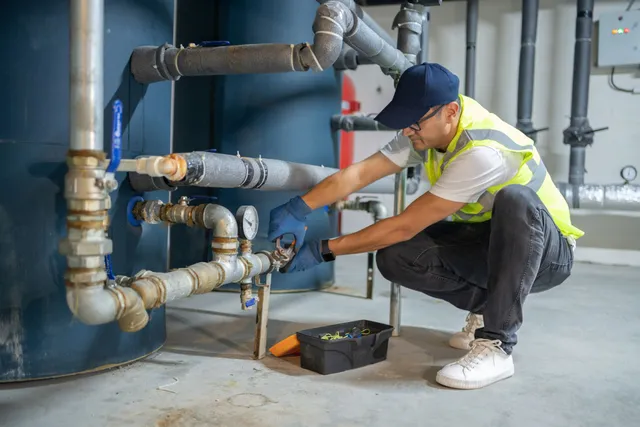

Designing and constructing reliable plumbing systems in large buildings is one of the most technically demanding aspects of modern infrastructure development. Unlike residential systems, commercial installations must handle significantly higher demand, stricter regulatory requirements, and more complex distribution networks. Every decision, from initial planning to final execution, directly impacts efficiency, safety, maintenance costs, and long-term system performance. As urban development continues to expand, the need for well-engineered plumbing solutions has become more critical than ever.
A properly engineered system ensures that water supply, drainage, and waste management functions operate seamlessly across all areas of a building. Whether it is an office complex, shopping center, hospital, hotel, or industrial facility, the plumbing network must be designed to accommodate peak usage without failure. This requires a combination of engineering precision, material selection, regulatory compliance, and forward-thinking construction practices.
The Importance of Strategic Planning in Large-Scale Plumbing Systems
Every successful plumbing system begins with detailed planning. At this stage, engineers assess building size, occupancy levels, water usage patterns, and fixture distribution. These factors determine pipe sizing, pressure requirements, and system layout.
A poorly planned system can lead to uneven water distribution, pressure drops, or drainage inefficiencies. In contrast, a well-designed system ensures balanced flow across all fixtures and minimizes operational stress on pipes and fittings.
Planning also involves coordination with other building systems such as HVAC, electrical layouts, and structural components. Plumbing routes must be integrated without interfering with foundational elements or compromising building integrity.This early stage is where the foundation of commercial plumbing systems design & construction is established. Decisions made here influence not only installation efficiency but also long-term maintenance and scalability.
Key Components of Modern Plumbing Infrastructure
Large-scale plumbing systems consist of multiple interconnected components that work together to ensure continuous water supply and efficient waste removal.
The water supply system is responsible for delivering clean water to all fixtures. It includes main supply lines, distribution pipes, pumps, and pressure regulators. Proper design ensures consistent pressure across all floors, especially in high-rise structures.
The drainage system handles wastewater removal. It relies on gravity and carefully calculated pipe slopes to ensure smooth flow toward sewage treatment or disposal systems. Ventilation pipes are also integrated to prevent pressure buildup and maintain system balance.The hot water system is another critical component, often requiring separate distribution lines, heating units, and circulation loops to maintain consistent temperature throughout the building.
Stormwater management systems are also essential in large facilities. These systems collect and redirect rainwater to prevent flooding and structural damage.Each of these components must be carefully integrated to ensure overall system harmony and efficiency.
Engineering Considerations in System Design
Designing plumbing systems for commercial buildings requires a deep understanding of fluid dynamics, pressure management, and material behavior. Engineers must calculate flow rates based on occupancy and usage patterns to ensure adequate supply without wastage.
Pressure regulation is particularly important in multi-story buildings. Without proper control, lower floors may experience excessive pressure while upper floors suffer from insufficient supply. To address this, booster pumps and pressure-reducing valves are strategically placed within the system.Material selection also plays a vital role. Pipes must be resistant to corrosion, temperature changes, and chemical exposure. Common materials include copper, PVC, stainless steel, and cross-linked polyethylene. Each material is chosen based on application requirements and environmental conditions.
Another important consideration is system redundancy. In critical facilities such as hospitals or industrial plants, backup systems are often included to ensure uninterrupted water supply during maintenance or emergencies.These engineering principles form the backbone of commercial plumbing systems design & construction, ensuring reliability and long-term performance.
Construction Phase and Installation Challenges
Once the design phase is complete, the construction process begins. This stage involves translating technical drawings into physical systems within the building structure. Precision is essential, as even minor deviations can affect system performance.
Pipe installation must follow exact specifications for slope, alignment, and support. Improper installation can lead to leaks, blockages, or inefficient flow. Coordination with other construction teams is also necessary to avoid conflicts with electrical wiring, structural beams, and ventilation systems.One of the biggest challenges during installation is working within confined or complex building layouts. Large commercial projects often require plumbing systems to be installed in tight spaces or across multiple floors simultaneously.
Quality control is essential throughout the construction phase. Each section of the system is tested for leaks, pressure stability, and flow efficiency before being integrated into the larger network.Successful execution of commercial plumbing systems design & construction depends heavily on coordination, precision, and adherence to engineering standards.
Safety Standards and Regulatory Compliance
Plumbing systems in commercial buildings must comply with strict safety codes and regulations. These standards are designed to ensure safe water quality, structural integrity, and environmental protection.Building codes dictate pipe sizing, material usage, installation methods, and system testing procedures. Compliance is not optional; failure to meet these standards can result in legal issues, operational risks, and costly redesigns.
Water safety regulations are particularly important. Potable water systems must be protected from contamination through proper backflow prevention devices and sanitary design practices.Fire safety integration is another key requirement. Many commercial buildings include sprinkler systems that rely on the plumbing network. These systems must be carefully designed to ensure rapid response in emergency situations.Adhering to these regulations is a fundamental part of commercial plumbing systems design & construction, ensuring both safety and legal compliance.
Maintenance and Long-Term System Efficiency
Even the best-designed plumbing systems require ongoing maintenance to remain efficient. Over time, pipes may experience wear, sediment buildup, or pressure fluctuations.
Routine inspections help identify potential issues before they escalate into major problems. Leak detection, pressure testing, and drainage evaluation are common maintenance practices.Cleaning drainage systems is also important to prevent blockages caused by debris, grease, or mineral deposits. In large facilities, regular maintenance schedules are essential to ensure uninterrupted operation.System upgrades may also be necessary over time. As buildings expand or usage patterns change, plumbing systems may need modifications to accommodate increased demand.Proper maintenance ensures that commercial plumbing systems design & construction investments remain functional and cost-effective throughout their lifecycle.
Energy Efficiency and Sustainable Design Practices
Modern plumbing design increasingly focuses on sustainability and energy efficiency. Water conservation is a major priority, especially in large buildings with high consumption rates.
Low-flow fixtures, sensor-based faucets, and efficient water heating systems help reduce overall usage without compromising performance. These technologies significantly lower operational costs while promoting environmental responsibility.Greywater recycling systems are also becoming more common. These systems reuse wastewater from sinks and showers for irrigation or flushing purposes, reducing overall water demand.
Energy-efficient pumps and heating systems further contribute to reduced energy consumption. Smart monitoring systems allow facility managers to track usage patterns and optimize performance.Sustainable practices are now an integral part of commercial plumbing systems design & construction, aligning infrastructure development with environmental goals.
Technological Advancements in Plumbing Systems
Advancements in technology have significantly improved the efficiency and reliability of modern plumbing systems. Digital monitoring tools allow real-time tracking of water flow, pressure levels, and system performance.Smart sensors can detect leaks early, preventing water damage and reducing waste. Automated shut-off systems provide additional safety by stopping water flow in case of emergencies.Building Information Modeling (BIM) has also transformed the design process. It allows engineers to create detailed 3D models of plumbing systems, improving accuracy and coordination during construction.These innovations enhance precision and reduce the likelihood of errors, making commercial plumbing systems design & construction more efficient and reliable than ever before.
Cost Factors and Long-Term Investment Value
The cost of designing and constructing commercial plumbing systems varies depending on building size, complexity, material selection, and regulatory requirements. While initial investment may be significant, the long-term benefits far outweigh the costs.Efficient systems reduce water waste, lower energy consumption, and minimize maintenance expenses. Additionally, well-designed systems increase property value and ensure compliance with safety regulations.Investing in high-quality materials and professional engineering services reduces the likelihood of future repairs and system failures.In the long run, effective commercial plumbing systems design & construction provides substantial financial and operational advantages.
Final Thoughts on Building Reliable Plumbing Infrastructure
Plumbing systems are a critical component of any commercial structure, directly influencing functionality, safety, and efficiency. From initial planning to final installation and ongoing maintenance, every stage requires careful attention to detail and technical expertise.
A well-executed system ensures consistent performance, reduces operational costs, and supports sustainable building practices. As technology continues to evolve, modern plumbing solutions are becoming more intelligent, efficient, and environmentally friendly.Ultimately, successful commercial plumbing systems design & construction is not just about installing pipes and fixtures, it is about creating a reliable, scalable, and efficient infrastructure that supports the long-term success of the entire building.