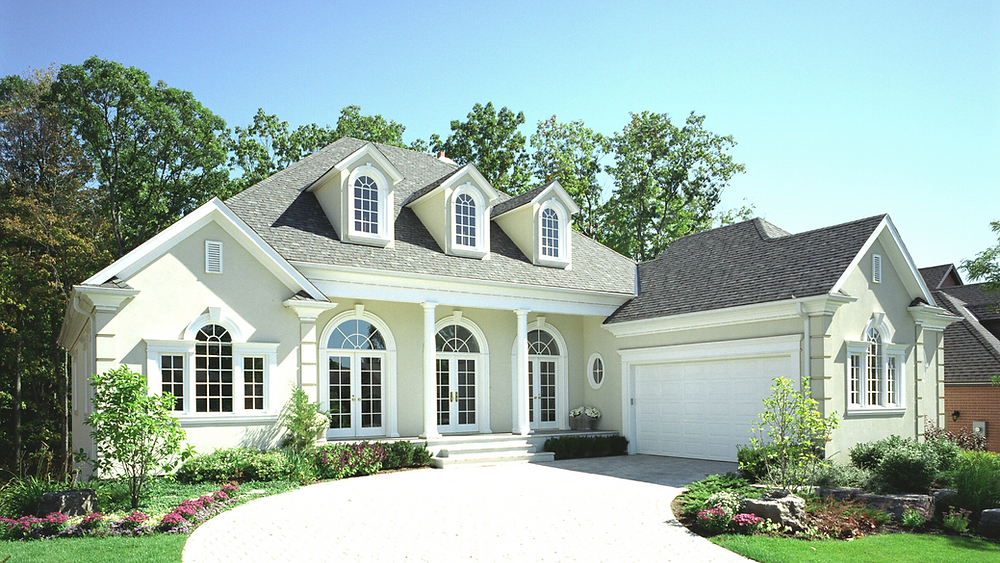

Expanding a home is one of the most effective ways to improve living space, increase property value, and adapt a residence to changing family needs. Whether it is adding an extra bedroom, extending a kitchen, building a second story, or creating a new living area, thoughtful expansion can transform how a home functions and feels. However, successful expansion requires careful planning, structural understanding, budgeting, and coordination between design and construction professionals. Without a clear strategy, even a well-intentioned project can become costly, inefficient, or structurally problematic.
Modern homeowners are increasingly choosing to improve their existing properties rather than relocating. This shift is driven by rising property costs, emotional attachment to current homes, and the desire for personalized living spaces. As a result, carefully planned home additions have become a popular solution for increasing usable space without the disruption of moving.
Understanding the Purpose of Expanding a Home
The primary reason for expanding a home is to accommodate changing lifestyle needs. Families grow, work-from-home arrangements become permanent, and storage requirements increase over time. Instead of adapting life to a limited space, expansion allows the home to adapt to its occupants.
Additional rooms can serve multiple purposes, such as guest bedrooms, home offices, entertainment areas, or even rental units for additional income. Expanding vertically or horizontally also allows homeowners to improve functionality without sacrificing comfort.Another important purpose is increasing property value. A well-designed expansion can significantly enhance market appeal, making the property more attractive to future buyers. However, the value increase depends heavily on design quality, structural integrity, and integration with the existing architecture.
Key Types of Residential Expansions
There are several common approaches to expanding a residential structure, each with its own advantages and limitations.
One of the most common methods is a ground-level extension. This involves expanding the existing footprint of the home by building outward. It is often used for enlarging kitchens, living rooms, or dining areas. This type of expansion is generally easier to integrate with existing structures but requires sufficient outdoor space.Another option is vertical expansion, which involves adding a second story or extending upward. This method is ideal for properties with limited land space but strong foundational support. It significantly increases living space without reducing yard area, although it often requires structural reinforcement.
Garage conversions are another popular choice. Existing garages can be transformed into living spaces such as guest suites, offices, or studios. This approach is often more cost-effective than building entirely new structures.
Sunrooms and enclosed patios provide additional living areas that connect indoor and outdoor environments. These spaces are typically used for relaxation, dining, or entertainment and can enhance natural lighting within the home.Each of these options requires careful evaluation before construction begins to ensure compatibility with the existing structure and local regulations.
Planning and Design Considerations
Successful expansion begins with detailed planning. This phase involves evaluating the existing structure, determining spatial requirements, and establishing project goals. A clear understanding of how the new space will be used is essential for effective design.
Architectural compatibility is another critical factor. The new addition should blend seamlessly with the existing structure in terms of style, materials, and proportions. Poorly matched designs can reduce aesthetic appeal and overall property value.Structural integrity must also be assessed. Foundations, load-bearing walls, and roofing systems need to be evaluated to determine whether they can support additional construction. In some cases, reinforcement may be required before expansion can proceed.
Budget planning is equally important. Costs can vary depending on materials, labor, permits, and design complexity. A realistic budget helps prevent unexpected financial strain during the construction process.During this stage, many homeowners begin exploring professional services related to home additions, as expert guidance ensures that both design and structural requirements are properly addressed before construction begins.
Permits, Regulations, and Compliance Requirements
Building regulations play a major role in residential expansion projects. Most regions require permits before construction can begin. These permits ensure that the project complies with safety standards, zoning laws, and structural guidelines.Zoning regulations may restrict how much a property can be expanded, particularly in residential neighborhoods. These rules are designed to maintain community structure and prevent overcrowding.
Building codes regulate construction practices, including material usage, electrical systems, plumbing integration, and structural safety. Compliance is essential to ensure the safety and legality of the project.Inspections are typically conducted at different stages of construction to verify that work meets approved plans and regulations. Failure to comply with these requirements can result in delays, fines, or forced modifications.Understanding and following these rules is a crucial part of any successful expansion project, especially when planning large-scale home additions.
Construction Process and Project Execution
Once planning and approvals are complete, the construction phase begins. This stage involves site preparation, structural work, and integration with the existing building.
The first step is preparing the site, which may include excavation, clearing space, or reinforcing the foundation. Proper preparation ensures stability and prevents future structural issues.Next, framing and structural work are completed. This includes building walls, floors, and roof structures that form the skeleton of the addition. Precision is essential to ensure alignment with the existing structure.After framing, mechanical systems such as plumbing, electrical wiring, and HVAC are installed.These systems must be carefully integrated to ensure consistent performance throughout the entire home.
Finishing work follows, including insulation, drywall installation, flooring, painting, and fixture placement. This stage transforms the structure into a functional living space.Final inspections are conducted to ensure safety and compliance before the space is officially completed and ready for use.
Common Challenges During Expansion Projects
Home expansion projects can present several challenges if not properly managed. One of the most common issues is structural limitations. Older homes may not have foundations strong enough to support additional floors or extensions.Budget overruns are another frequent concern. Unexpected costs related to materials, labor, or design changes can increase overall expenses.
Delays in permits or inspections can also slow down progress. Regulatory approvals are often time-consuming and must be factored into project timelines.Design inconsistencies may occur if the new structure does not align properly with the existing home. This can affect both appearance and functionality.Proper planning and professional oversight help minimize these risks and ensure smoother execution of home additions.
Benefits of Expanding Residential Space
One of the most significant benefits of expanding a home is increased living space. Additional rooms provide greater comfort and flexibility for occupants.Property value also increases when expansions are well-designed and properly executed. Buyers often view additional space as a major advantage, especially in competitive housing markets.
Customization is another key benefit. Homeowners can design new spaces specifically tailored to their needs, whether for work, relaxation, or entertainment.Energy efficiency improvements can also be incorporated into new construction. Modern materials and systems allow for better insulation and reduced energy consumption.Ultimately, well-planned home additions enhance both functionality and lifestyle quality.
Cost Considerations and Long-Term Value
The cost of expanding a home varies depending on size, complexity, materials, and location. Smaller projects such as room extensions are generally more affordable, while multi-story additions or structural modifications require higher investment.
Although initial costs may be significant, long-term value often justifies the investment. Increased property value, improved functionality, and reduced need for relocation contribute to overall financial benefits.Energy-efficient designs can also reduce long-term utility costs. Modern construction techniques allow for better insulation, lighting efficiency, and climate control.When planned correctly, home additions provide a strong return on investment while improving daily living conditions.
Final Thoughts on Expanding Living Spaces Effectively
Expanding a home is a major decision that requires careful thought, planning, and execution. From design and budgeting to construction and compliance, every stage plays a critical role in the success of the project.
When approached strategically, home expansion not only increases space but also enhances comfort, functionality, and property value. It allows homeowners to adapt their living environment to evolving needs without the disruption of relocation.Ultimately, well-executed home additions represent a long-term investment in both lifestyle and property value. With proper planning and professional guidance, they can transform an existing house into a more spacious, efficient, and enjoyable home for years to come.