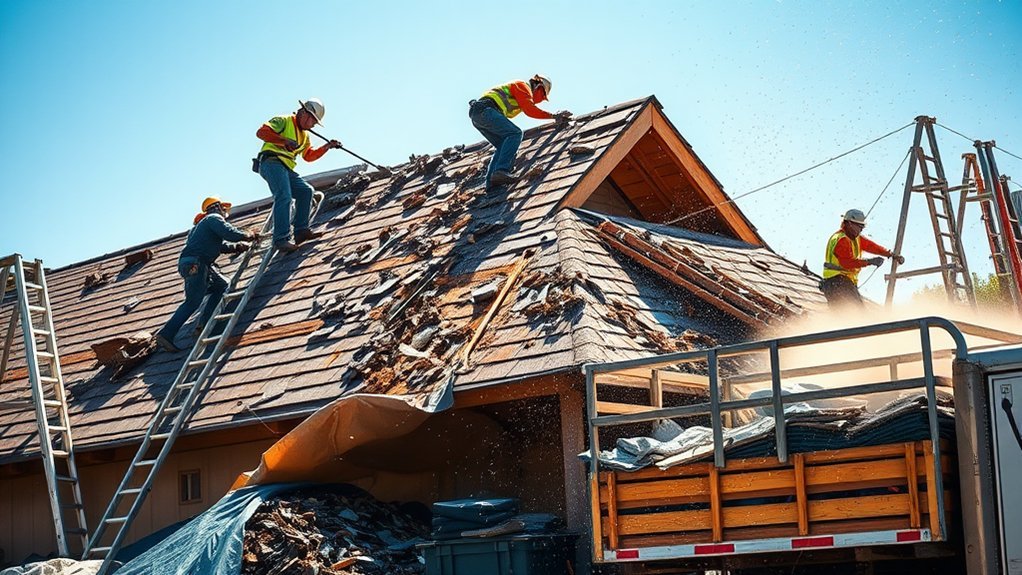

Roof tear off is an essential process in roof replacement where the existing roofing materials are completely removed before installing a new roofing system. This step is critical because it allows contractors to inspect the underlying structure, repair hidden damage, and ensure that the new roof is installed on a strong and stable foundation. Without a proper tear off, hidden issues such as rot, moisture damage, or structural weakness can remain unnoticed and cause serious problems in the future.
Understanding how roof tear off works, when it is needed, and why it is important helps property owners make informed decisions during roof replacement projects. It is a process that directly affects the durability, safety, and performance of the new roof.
What Is Roof Tear Off and Why It Is Important
Roof tear off refers to the complete removal of old roofing layers including shingles, underlayment, flashing, and sometimes even damaged decking. This process exposes the roof deck, allowing professionals to evaluate its condition before installing new materials.
The importance of roof tear off lies in its ability to reveal hidden damage. Over time, moisture can seep into layers of the roof and cause wood rot, mold growth, or structural weakening. If these issues are not addressed before installing a new roof, they can reduce its lifespan and lead to costly repairs later.
A proper tear off ensures that the new roofing system is built on a clean, solid, and dry surface, which significantly improves its durability and performance.
When Roof Tear Off Becomes Necessary
Roof tear off is usually required when a roof has reached the end of its lifespan or has extensive damage that cannot be repaired effectively. One of the most common reasons is severe leakage that affects multiple areas of the roof. In such cases, patch repairs are not enough to restore full functionality.
Another situation where tear off is needed is when there are multiple layers of old roofing materials already present. Building codes often limit the number of roofing layers allowed, and excessive layering can increase structural weight and reduce roof stability.
Visible sagging, widespread shingle damage, or deteriorated decking are also clear signs that a complete tear off is necessary before replacement.
Step-by-Step Roof Tear Off Process
The roof tear off process begins with a detailed inspection to assess the condition of the existing roof and identify any structural concerns. This helps professionals plan the removal process safely and efficiently.
Next, safety measures are put in place, including securing the work area and protecting surrounding property from falling debris. Once preparation is complete, the removal process begins from the top of the roof and works downward.
Old shingles or roofing materials are carefully removed using specialized tools. Underlayment layers are also stripped away to expose the roof deck. In some cases, damaged decking boards are replaced or repaired before moving forward.
After the tear off is complete, the surface is cleaned thoroughly to ensure it is ready for new installation. A final inspection is conducted to confirm that the structure is sound and free from hidden damage.
Benefits of Roof Tear Off
One of the main benefits of roof tear off is improved structural integrity. By removing old and damaged layers, the roof can be rebuilt on a strong foundation, which increases its lifespan and performance.
It also allows for proper inspection of hidden damage that may not be visible from the surface. This helps prevent future issues and ensures that all necessary repairs are completed before new materials are installed.
Another benefit is better installation quality. A clean roof deck allows new roofing materials to be installed more securely, reducing the risk of leaks and improving overall durability.
Roof tear off also enhances energy efficiency. By replacing old insulation and damaged layers, the new roofing system can better regulate indoor temperature and reduce energy consumption.
Challenges in Roof Tear Off Projects
Although roof tear off is highly beneficial, it can also be a complex and labor-intensive process. One of the main challenges is handling multiple layers of old roofing materials, which can increase removal time and effort.
Weather conditions can also impact the process. Rain or strong winds can delay work and expose the roof deck to moisture if not properly managed. This is why timing and planning are important in tear off projects.
Another challenge is managing debris safely. Removing old roofing materials generates a large amount of waste that must be handled and disposed of properly to maintain safety and cleanliness at the site.
Importance of Proper Disposal and Cleanup
After roof tear off is completed, proper disposal of materials is essential. Old shingles, nails, and underlayment materials must be collected and removed from the site. This helps maintain a safe working environment and ensures compliance with environmental regulations.
Cleaning the roof deck is equally important because any remaining debris can affect the installation of new materials. A clean surface allows for better adhesion and alignment during the roofing process.
Cost Factors in Roof Tear Off
The cost of roof tear off depends on several factors including roof size, number of existing layers, type of materials, and labor requirements. Larger roofs with multiple layers of old materials typically require more time and effort, increasing overall cost.
Additional costs may also arise if structural repairs are needed after the tear off process. However, these repairs are necessary to ensure the long-term stability of the new roof.
Although roof tear off adds to the initial expense of roof replacement, it significantly improves the quality and lifespan of the new roofing system, making it a valuable investment.
Roof Tear Off vs Roof Overlay
Some property owners consider roof overlay as an alternative to tear off, where new roofing materials are installed over existing ones. While this may reduce upfront costs, it is not always the best solution.
Roof tear off provides a more thorough and reliable approach because it removes all old materials and allows full inspection of the roof structure. This reduces the risk of hidden damage and ensures a stronger installation.
In contrast, roof overlay may hide underlying issues and add extra weight to the structure, which can lead to future problems.
Role of Professional Roofing Services
Roof tear off should always be handled by experienced professionals due to the physical demands and safety risks involved. Skilled workers use proper tools and techniques to remove materials efficiently without damaging the underlying structure.
Working with a trusted roofing company ensures that the entire process is carried out safely, including inspection, removal, repair, and preparation for new installation. Professional expertise also helps identify hidden issues that may not be visible to untrained eyes.
Conclusion
Roof tear off is a critical step in the roof replacement process that ensures long-term durability, safety, and performance. By removing old and damaged materials, it allows for proper inspection and creates a strong foundation for a new roofing system.
Although it requires time, effort, and investment, the benefits far outweigh the costs. With proper planning, safe execution, and professional support, roof tear off helps ensure that the new roof performs efficiently and lasts for many years.