
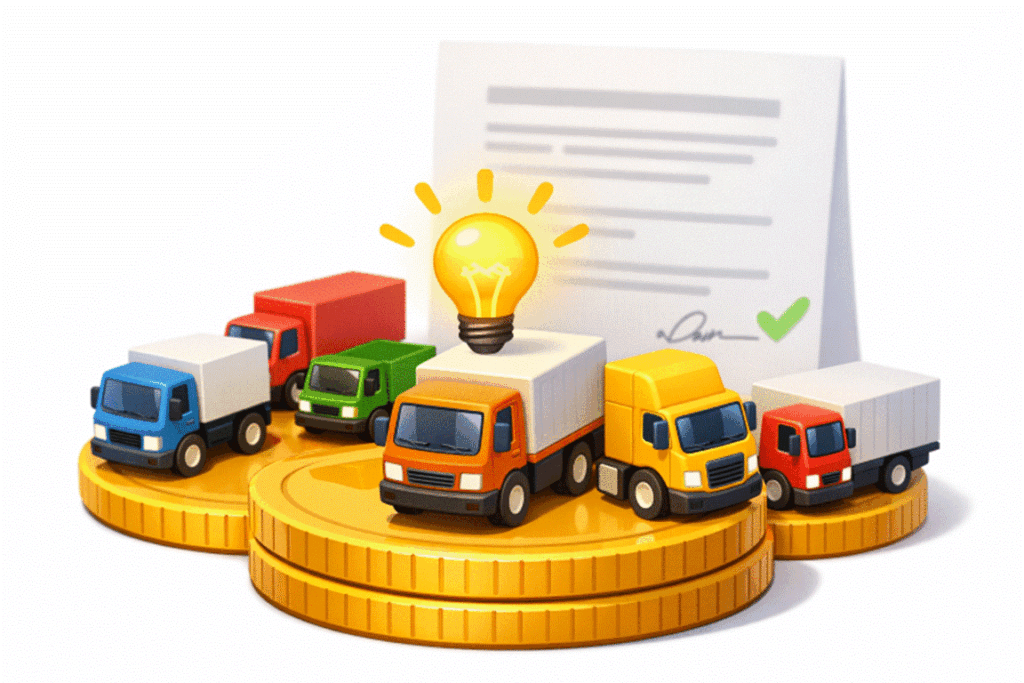

Expanding your business fleet is often essential for growth and increased efficiency, but the required capital can be a significant obstacle for many companies. Truck financing provides a strategic solution, helping companies acquire the vehicles they need without exhausting operating capital. With options such as traditional loans, leasing, and newer financing programs, businesses have more flexibility than ever before. For those seeking local solutions, auto financing Texas providers can help connect you with financing plans that align with your specific needs.
By exploring various truck financing options, companies can preserve cash flow and invest in other areas, enabling modernization and competitiveness. Knowing these options helps make cost-effective, tailored decisions aligned with goals. This overview covers traditional bank loans, leasing, and innovative programs. Choosing financing isn’t just about monthly payments but involves considering long-term benefits, fleet management, and tax implications. Business owners should assess their financial situation and goals before deciding.
Traditional Loans
Traditional bank loans have long been a preferred method for businesses looking to purchase trucks for their fleets. These loans typically require a down payment of 10 to 30 percent of the truck’s purchase price. After the initial investment, the business is responsible for making fixed or variable payments over a period typically spanning three to seven years. Once fully repaid, the truck belongs entirely to the business, thereby increasing the company’s long-term asset value.
One advantage of traditional loans is the greater control over ownership that comes with outright vehicle possession at the end of the term. Furthermore, businesses may be able to claim depreciation and interest expense deductions for tax purposes, which can be a significant financial benefit. However, loans also mean taking on debt and bearing full responsibility for any declines in the vehicle’s market value.
Leasing Options
Leasing is an excellent alternative for businesses that need trucks for a fixed period or do not want to commit to full vehicle ownership. Leases are typically categorized as operating leases or finance leases.
- Operating Leases: Ideal for companies that need trucks for short-term use or want to update their vehicles frequently. Operating leases usually cover maintenance, allowing businesses to focus on operations rather than on fleet maintenance. At the end of the lease, companies simply return the trucks and can opt for newer models.
- Finance Leases: Also known as capital leases, these offer terms similar to loans. The lessee covers maintenance and other operating expenditures. Usually, there is an option to purchase the truck at the end of the lease for a nominal price, making it a good route toward eventual ownership without steep upfront costs.
Leasing provides newer equipment on a rolling basis, enabling companies to benefit from technological improvements and enhanced fuel efficiency, which is essential in a competitive industry.
Innovative Financing Programs
Innovation in truck financing has led to new programs that address specific hurdles faced by the trucking sector. Recent examples include flexible financing programs that do not rely on traditional credit checks, such as fuel financing arrangements based on existing factoring relationships. These programs can be especially valuable for startup carriers and owner-operators who might not yet have an established credit history.
By removing barriers to entry, these innovative solutions enable new businesses to get on the road sooner and maintain higher operating liquidity. One recent example is a fuel financing program that supports Texas carriers, which can be read about in detail on industry news platforms and trucking associations.
Benefits of Truck Financing
Financing a truck purchase or lease presents significant benefits for businesses of all sizes. One of the main advantages is the preservation of cash flow. By avoiding sizeable upfront expenditures, businesses can allocate their working capital toward operations, marketing, and unexpected expenses.
- Preservation of Capital: Spreading out payments makes budgeting more predictable and sustainable, especially for companies balancing multiple financial priorities.
- Flexibility: With numerous financing structures, companies can tailor their agreements to their asset management strategies and financial goals.
- Access to Modern Equipment: Financing enables upgrading to the latest truck models, improving fuel efficiency, lowering emissions, and enhancing reliability.
Staying up to date with new releases and safety features can also translate into a better reputation and more profitable contracts. The ability to keep your fleet modern is often a key factor for carriers seeking to gain a competitive advantage in bidding for new business.
Considerations Before Financing
When making a final decision regarding financing options for a truck, it is essential to evaluate several key factors. First, consider the interest rates and terms, including the annual percentage rate (APR) and repayment period, as these significantly affect the total cost of the vehicle. It is advisable to compare rates from multiple providers to optimize long-term financial planning. Additionally, understanding maintenance responsibilities is crucial, as these costs can accumulate throughout the vehicle’s usage.
Another important aspect is the residual value, or the truck’s projected value at the end of the financing term. This is especially relevant if there is a purchase option or if you plan to trade the vehicle in later. Accurately estimating the residual value can guide the decision between leasing and ownership.
Finally, detailing business priorities and consulting with a financial advisor can provide valuable insights into the unforeseen costs and benefits of each financing method, leading to more informed decisions that safeguard the business’s long-term financial health.
Conclusion
Truck financing can help your business grow and modernize without major upfront costs. By carefully evaluating loan, lease, and innovative financing options, your company can tailor its fleet expansion to its strategic and financial priorities. By researching available options, analyzing contract terms, and considering modern industry programs, you will set your business up for success in today’s fast-paced logistics environment.