

Introduction
Flooding is one of the most destructive natural events a property can face. It arrives with force, spreads quickly, and leaves behind a complex mix of water damage, debris, and contamination. When the water finally recedes, the real challenge begins. Floors may be soaked, walls weakened, and personal belongings damaged beyond recognition. The path to recovery is not simple, but with the right approach, it is possible to rebuild and restore a safe living environment.
Flood restoration is the process that transforms a damaged property into a stable and usable space again. It requires immediate action, careful planning, and attention to detail. From removing water to repairing structural damage, every step plays a role in ensuring a successful recovery.
Understanding the Impact of Flooding
Floodwater affects a property in multiple ways. Unlike clean water from a pipe leak, floodwater often carries dirt, bacteria, and harmful substances. This makes the damage more serious and requires thorough cleaning and sanitization.
When water enters a building, it spreads quickly across floors and seeps into walls, insulation, and furniture. Materials that absorb water can become weak and unstable over time. Wood may swell and warp, drywall can soften and break down, and flooring may lose its structure.
Flooding can also impact electrical systems and appliances, creating safety hazards that must be addressed before restoration begins. The longer water remains, the greater the risk of long-term damage and mold growth.
Common Causes of Flooding
Flooding can occur for many reasons, often linked to natural events or infrastructure issues. Heavy rainfall is one of the most common causes, especially when drainage systems are unable to handle large volumes of water.
Overflowing rivers and lakes can also lead to flooding, particularly in low-lying areas. Storm surges during severe weather can push water into properties, causing extensive damage.
In some cases, human-related issues such as broken water mains or poor drainage design can contribute to flooding. Regardless of the cause, the effects can be widespread and require immediate attention.
Initial Steps After a Flood
The first priority after a flood is safety. Entering a flooded property can be dangerous due to structural damage, contaminated water, and electrical risks. It is important to ensure that the area is safe before beginning any cleanup efforts.Once it is safe to proceed, documenting the damage is an important step. Taking photographs and notes helps in understanding the extent of the problem and can be useful for insurance claims.
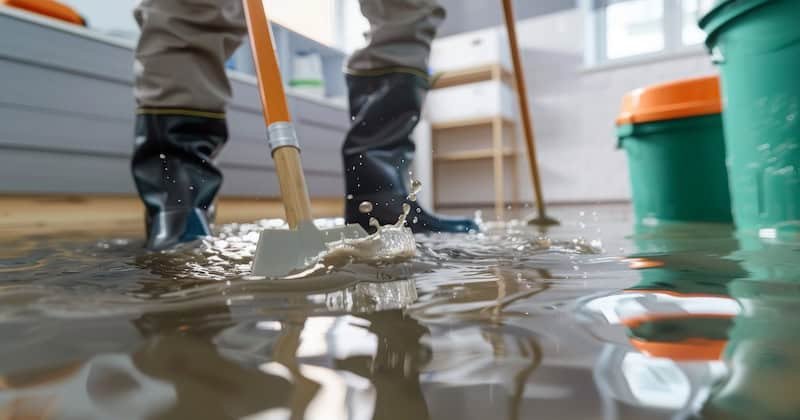
Removing standing water as quickly as possible is essential. This marks the beginning of the flood restoration process and helps prevent further damage. Quick action can make a significant difference in the overall recovery.
The Flood Restoration Process
Flood restoration involves several stages, each designed to address specific aspects of the damage. The process begins with a thorough inspection to determine the extent of water intrusion and identify affected areas.Water extraction is the next step, where specialized equipment is used to remove standing water. This is followed by drying and dehumidification to eliminate moisture from walls, floors, and air.
Cleaning and sanitizing are particularly important in flood restoration due to the presence of contaminants. Surfaces and belongings must be treated to remove bacteria and ensure a safe environment.Finally, repairs and reconstruction are carried out to restore the property. This may involve replacing damaged materials, repairing structures, and ensuring that the building is safe for occupancy.
Challenges in Flood Restoration
Flood restoration is often more complex than other types of water damage due to the presence of contaminated water. Cleaning and sanitizing require extra care to ensure that all harmful substances are removed.Another challenge is dealing with materials that cannot be salvaged. Items that have absorbed contaminated water may need to be discarded to prevent health risks.
Hidden moisture is also a concern. Water can seep into areas that are not immediately visible, making it difficult to ensure complete drying. These challenges require a detailed and methodical approach to restoration.
Importance of Quick Response
Time is a critical factor in flood restoration. The longer water remains in a property, the more damage it can cause. Materials can deteriorate quickly, and mold can begin to grow within a short period.Acting quickly helps limit the spread of damage and increases the chances of saving materials and belongings. It also reduces the overall cost and complexity of restoration.
A prompt response ensures that the recovery process starts on the right footing and prevents further complications.
Professional Flood Restoration Services
While some cleanup tasks may be manageable, flood restoration often requires professional expertise. Specialists have the equipment and knowledge needed to handle contaminated water and complex damage.
They use advanced tools to remove water, detect hidden moisture, and ensure thorough drying. Professionals also follow safety procedures to protect both the property and its occupants.Working with experts can make the restoration process more efficient and ensure that all aspects of the damage are properly addressed.
Preventing Mold After Flooding
One of the biggest concerns after a flood is mold growth. Damp conditions provide an ideal environment for mold to develop, especially in areas that are not fully dried.
Proper drying and ventilation are essential in preventing mold. Dehumidifiers and air circulation help remove excess moisture and create conditions that discourage mold growth.Regular inspections during the restoration process can help identify and address any signs of mold early. Preventing mold is a key part of successful flood restoration.
Structural Repairs and Rebuilding
Flooding can weaken the structure of a building, making repairs an important part of the restoration process. Walls, floors, and foundations must be carefully inspected to determine the extent of the damage.
In some cases, materials may need to be replaced to ensure safety and stability. Rebuilding involves restoring the property to a condition that is both functional and secure.Proper repairs not only improve the appearance of the property but also ensure that it can withstand future challenges.
Cleaning and Sanitization
Floodwater often carries dirt, bacteria, and other contaminants, making cleaning and sanitization a critical step. Surfaces must be thoroughly cleaned to remove harmful substances and prevent health risks.
Specialized cleaning methods are used to ensure that all affected areas are safe. This includes treating surfaces, removing odors, and ensuring that the environment is hygienic.A clean and sanitized space is essential for safe occupancy and long-term comfort.
Emotional and Practical Recovery
Recovering from a flood is not only a physical process but also an emotional one. The loss of belongings and disruption of daily life can be overwhelming.
Having a clear restoration plan and taking the process step by step can help make recovery more manageable. Support from professionals and proper planning can ease the burden and help property owners move forward.
Long-Term Benefits of Proper Restoration
Investing in proper flood restoration offers lasting benefits. It ensures that the property is safe, stable, and free from contamination. Thorough restoration also helps maintain property value and prevents recurring issues.Addressing all aspects of damage, including hidden problems, creates a stronger and more resilient structure. This provides peace of mind and a sense of security for the future.
Preparing for Future Floods
While floods cannot always be prevented, their impact can be reduced through preparation. Improving drainage systems, sealing entry points, and elevating important items can help protect a property.Regular maintenance and awareness of potential risks also play a role in prevention. Having an emergency plan in place ensures that property owners can respond quickly if flooding occurs again.
Conclusion
Flooding can cause widespread damage, but recovery is possible with the right approach. Understanding the impact of floodwater and taking immediate action are essential steps in restoring a property.
Flood restoration involves a comprehensive process that addresses water removal, cleaning, repairs, and prevention. By focusing on each step carefully, it is possible to rebuild and create
a safe, comfortable environment once again.