
Introduction
Modern heating and cooling systems have become an essential part of comfortable living, especially in regions where temperatures fluctuate throughout the year. Among these systems, heat pumps are widely used because they provide both heating and cooling in a single unit. They are energy-efficient, versatile, and environmentally friendly compared to traditional systems.
However, like any mechanical system, they can develop issues over time. This is where heat pump repair becomes important. Understanding how these systems work, what problems can occur, and how they are fixed can help users avoid costly breakdowns and maintain consistent indoor comfort.In this detailed guide, we will explore common issues, repair processes, maintenance tips, and long-term care strategies for heat pump systems.
How Heat Pump Systems Work
A heat pump works by transferring heat rather than generating it. In cooling mode, it removes heat from indoors and releases it outside. In heating mode, the process is reversed, pulling heat from outdoor air and transferring it inside.
This transfer process relies on several key components including the compressor, evaporator coil, condenser coil, expansion valve, and refrigerant lines. When all parts work together efficiently, the system provides stable temperature control with lower energy consumption.Because heat pumps operate year-round, they experience more wear and tear than seasonal systems, making regular inspection and timely repair essential.
Common Problems in Heat Pump Systems
Over time, several issues can affect performance. One of the most common problems is reduced heating or cooling efficiency. This often happens due to low refrigerant levels, dirty coils, or restricted airflow.
Another frequent issue is unusual noise coming from the system. Grinding, rattling, or buzzing sounds may indicate loose components, motor issues, or compressor problems.
Frozen outdoor units are also a common concern, especially during winter. This can be caused by poor airflow, refrigerant issues, or malfunctioning defrost cycles.
Short cycling is another problem where the system turns on and off frequently without completing a full cycle. This reduces efficiency and increases wear on components.Thermostat malfunctions can also lead to incorrect temperature readings, causing discomfort and energy waste.
Importance of Timely Heat Pump Repair
Delaying repairs can lead to more serious damage and higher costs. A small issue, if ignored, can affect multiple components of the system. For example, low refrigerant levels can eventually damage the compressor, which is one of the most expensive parts to replace.
Timely heat pump repair ensures that minor faults are fixed before they become major failures. It also helps maintain energy efficiency, ensuring that the system does not consume more electricity than necessary.Another important benefit is improved comfort. A properly functioning system maintains consistent indoor temperature without sudden fluctuations.
Step-by-Step Repair Process Overview
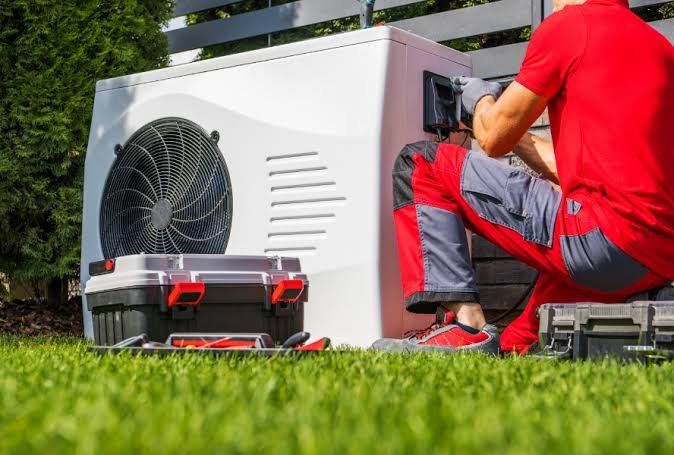
Repairing a heat pump involves a systematic approach to identify and resolve issues.The first step is diagnosis. Technicians inspect the system to identify visible signs of damage or malfunction. This may include checking airflow, listening for unusual noises, and reviewing system performance.Next is electrical testing. Wiring, capacitors, and control boards are examined to ensure proper operation. Faulty electrical components are often a common cause of system failure.
Refrigerant levels are then checked. If levels are low, leaks are identified and repaired before refilling the system.Coils and filters are cleaned to restore airflow and improve efficiency. Dirty components are one of the leading causes of performance issues.
Mechanical parts such as fans, motors, and compressors are also inspected for wear and damage. Any faulty parts are repaired or replaced.Finally, the system is tested to ensure it is operating correctly and efficiently after repairs.
Role of Regular Maintenance in Preventing Repairs
Regular maintenance plays a major role in reducing the need for frequent repairs. Simple tasks like cleaning filters, inspecting coils, and checking refrigerant levels can significantly improve system performance.
When systems are maintained properly, they experience less strain, which reduces the chances of unexpected breakdowns. Maintenance also helps detect small issues early, preventing costly repairs later.Seasonal servicing is especially important for heat pumps since they operate year-round. Preparing the system before peak heating or cooling seasons ensures smooth performance when demand is high.
Energy Efficiency and Cost Savings
A well-maintained system not only performs better but also consumes less energy. When components are clean and functioning properly, the system does not need to work harder to maintain temperature.Efficient systems reduce electricity bills and lower environmental impact. On the other hand, a faulty system can significantly increase energy usage.
Investing in timely heat pump repair helps maintain efficiency and prevents unnecessary energy loss. Over time, this leads to significant cost savings for users.
DIY Troubleshooting vs Professional Repair
Some minor issues can be handled by users, such as replacing air filters or resetting the thermostat. However, most heat pump problems require professional expertise.
Attempting complex repairs without proper knowledge can lead to further damage or safety risks. Components like compressors, refrigerants, and electrical systems require specialized tools and training.Professional technicians can accurately diagnose problems and ensure that repairs are done safely and effectively. This ensures long-term reliability and performance.
Signs That Your Heat Pump Needs Repair
There are several warning signs that indicate your system may need attention. Reduced airflow, inconsistent temperatures, and rising energy bills are common indicators.
Unusual noises or vibrations are also signs of mechanical issues. If the system struggles to switch between heating and cooling modes, it may require immediate inspection.Ice buildup on the outdoor unit or frequent system cycling are additional signs that should not be ignored.
Preventing Future Breakdowns
Preventive care is the best way to avoid unexpected system failures. Keeping filters clean, ensuring proper airflow, and scheduling regular inspections can significantly reduce the risk of breakdowns.It is also important to keep the outdoor unit clear of debris such as leaves, dust, and dirt. Proper ventilation helps maintain system efficiency.Monitoring system performance regularly helps identify early warning signs before they turn into major issues.
Long-Term Benefits of Proper Repair and Maintenance
Proper repair and maintenance offer several long-term benefits. One of the most important advantages is extended system lifespan. Well-maintained systems last significantly longer than neglected ones.Another benefit is consistent comfort. A properly functioning system maintains stable indoor temperatures throughout the year.Improved air quality is also a key advantage. Clean filters and coils reduce dust and allergens, creating a healthier indoor environment.Additionally, regular servicing reduces repair frequency and overall ownership costs.
Conclusion
Heat pump systems are an efficient and reliable solution for year-round comfort, but they require proper care to perform at their best. Understanding common issues and addressing them early can prevent costly damage and ensure smooth operation.
The importance of heat pump repair cannot be overstated, as timely action helps maintain efficiency, reduce energy consumption, and extend system life. Regular maintenance combined with professional heat pump repair ensures that your system continues to deliver reliable heating and cooling performance for years to come.By investing in proper care and attention, users can enjoy consistent comfort, lower energy bills, and long-term system reliability without unexpected disruptions.