

A home is one of the most valuable investments a person can make, and every part of that structure plays an important role in maintaining safety, comfort, and long-term value. Among all the structural elements in a house, the roofing system stands out as one of the most essential because it protects the property from harsh weather, moisture intrusion, temperature changes, and environmental damage. When the upper structure of a house begins to deteriorate, homeowners often face difficult decisions regarding repairs, maintenance, and complete upgrades. Understanding how roofing systems age and how to properly manage their condition can help homeowners avoid expensive surprises and preserve the integrity of their property for many years.
Many people ignore early warning signs because roofing problems usually develop slowly over time rather than appearing all at once. Small leaks, cracked shingles, trapped moisture, mold growth, and weakened flashing may seem minor in the beginning, but these issues often become much more serious when neglected. Water infiltration can damage insulation, weaken wooden framing, stain ceilings, and even create electrical hazards. This is why homeowners should never underestimate the importance of regular inspections and timely improvements. In many situations, investing in a complete roof replacement becomes the most practical and cost-effective solution instead of continuing to patch recurring issues that keep returning year after year.
Understanding the Lifespan of Roofing Materials
Different roofing materials are designed with varying levels of durability, weather resistance, and longevity. Asphalt shingles are among the most common options because they are affordable and relatively easy to install, but they generally have a shorter lifespan compared to metal, slate, or clay tile systems. Metal roofs are highly durable and resistant to many environmental threats, while slate and tile options can last for decades when maintained properly. However, even the strongest materials eventually deteriorate due to constant exposure to sunlight, rain, wind, and fluctuating temperatures.
A roofing system does not fail overnight. The aging process usually starts with gradual wear that weakens protective layers over time. Ultraviolet rays from the sun can cause shingles to dry out and crack. Heavy storms may loosen components or remove protective granules from the surface. Moisture buildup can accelerate decay in the underlying structure, especially if ventilation is poor. Seasonal expansion and contraction also place stress on roofing materials, eventually leading to separation and vulnerability around joints and edges.
Homeowners who understand these natural aging processes are more likely to take preventive action before severe structural damage occurs. Regular inspections by experienced professionals can identify early signs of deterioration and help determine whether repairs are still practical or if a more comprehensive solution is necessary. Being proactive rather than reactive often saves money in the long run and minimizes the risk of emergency situations.
Common Warning Signs That Should Never Be Ignored
One of the most important responsibilities of a homeowner is recognizing when a roofing system is no longer performing efficiently. Certain warning signs clearly indicate that major attention is required. Water stains on ceilings or walls are among the most obvious indicators of hidden leakage. These stains may appear small initially, but they often suggest a deeper issue beneath the surface. Ignoring them can lead to extensive interior damage and mold growth.
Missing shingles are another serious concern because exposed sections become vulnerable to moisture penetration and wind damage. Curling, buckling, or blistering shingles also indicate aging and reduced effectiveness. Granule loss in gutters is another warning sign because granules help protect shingles from ultraviolet damage. Once these protective particles wear away, deterioration accelerates rapidly.
Sagging areas should always be treated as urgent structural concerns. A sagging roofline may indicate trapped moisture, weakened decking, or compromised support beams. Homeowners should also pay attention to increasing energy bills because poor insulation and ventilation can allow heat to escape during colder months and enter during warmer seasons. In many cases, addressing roofing inefficiencies can significantly improve indoor comfort and energy performance.
When these problems become widespread or continue returning despite repeated repairs, homeowners often discover that ongoing maintenance costs exceed the benefits of temporary fixes. At that point, planning a complete roof replacement can provide long-term protection, better efficiency, and greater peace of mind.
The Importance of Professional Inspections
Routine inspections are essential for maintaining the health of any roofing system. Many serious issues remain hidden from view until significant damage has already occurred. Professional inspectors are trained to identify weaknesses that homeowners may overlook, including damaged flashing, compromised ventilation systems, hidden moisture pockets, and deteriorating underlayment.
A thorough inspection involves evaluating both the exterior and interior components of the structure. Roofing specialists examine shingles, vents, chimneys, gutters, drainage systems, and structural supports to determine the overall condition of the installation. They also inspect attic spaces for signs of moisture intrusion, mold, insulation problems, and ventilation deficiencies. These assessments provide homeowners with a clearer understanding of current conditions and future maintenance needs.
Professional evaluations are particularly important after severe weather events such as hailstorms, strong winds, or heavy rainfall. Storm damage is not always immediately visible from the ground, and delaying inspections can allow hidden problems to worsen over time. Insurance claims may also depend on timely documentation, making prompt inspections even more valuable.
Regular inspections not only help detect problems early but also extend the lifespan of the roofing system through preventive care. Homeowners who schedule routine evaluations are often able to address small issues before they become major structural concerns requiring expensive corrective work.
Choosing the Right Material for Long-Term Performance
Selecting the right roofing material is one of the most important decisions homeowners make when upgrading their property. The ideal option depends on several factors, including climate conditions, architectural style, budget, durability expectations, and maintenance preferences. Each material offers distinct advantages and limitations, so understanding these differences is essential before making a final decision.
Asphalt shingles remain popular because they are affordable, widely available, and suitable for many architectural designs. Modern manufacturing improvements have increased their durability and weather resistance, making them a practical choice for many households. Metal roofing systems have also gained popularity due to their longevity, fire resistance, and energy efficiency. Reflective coatings on metal surfaces help reduce heat absorption, which may lower cooling expenses during warmer seasons.
Clay and concrete tiles provide exceptional durability and a distinctive appearance, but they are significantly heavier than other materials and may require additional structural reinforcement. Slate roofs are known for their remarkable lifespan and elegant appearance, though they are among the most expensive options available. Wood shakes offer a natural aesthetic appeal but require consistent maintenance to prevent moisture-related deterioration and insect damage.
Energy efficiency has become an increasingly important consideration for modern homeowners. Reflective roofing technologies, improved insulation systems, and enhanced ventilation designs contribute to better indoor temperature control and reduced energy consumption. Investing in high-quality materials may involve higher upfront costs, but the long-term savings in maintenance and utility expenses often justify the investment.
Understanding the Financial Side of Roofing Projects
One of the biggest concerns homeowners face during major home improvement projects is cost. Roofing work represents a substantial investment, and expenses can vary significantly depending on material selection, labor requirements, structural complexity, and existing damage. Understanding the factors that influence pricing helps homeowners prepare financially and avoid unexpected surprises.
The size and slope of the roof directly affect labor and material costs because steeper or more complex designs require additional safety measures and installation time. Material quality also plays a major role in determining overall expenses. Premium materials generally cost more initially but may provide better durability, longer warranties, and lower maintenance requirements over time.
Removing old materials can also increase project costs, especially when multiple existing layers must be removed before installation begins. Structural repairs, insulation upgrades, and ventilation improvements may add additional expenses but are often necessary to ensure the new system performs efficiently. Homeowners should always request detailed estimates from reputable contractors so they fully understand what is included in the project scope.
Although some homeowners hesitate because of the expense involved, delaying necessary work often results in greater financial consequences later. Persistent leaks and hidden moisture damage can compromise ceilings, insulation, flooring, electrical systems, and even foundational structures. In many situations, the total cost of repeated repairs eventually surpasses the investment required for a complete solution. Evaluating the long-term value rather than focusing solely on immediate costs helps homeowners make smarter financial decisions regarding roof replacement projects.
The Installation Process and What to Expect
Understanding the installation process helps homeowners feel more prepared and confident throughout the project. A roofing upgrade typically begins with a detailed assessment and material selection phase. Contractors evaluate the structure, discuss goals with the homeowner, and recommend suitable materials based on durability requirements, aesthetic preferences, and budget considerations.
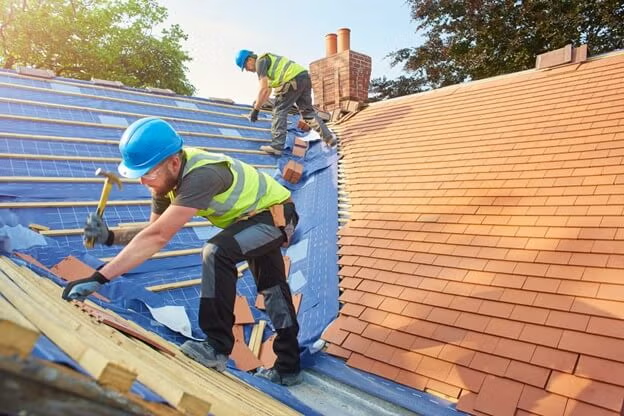
Once preparations are complete, workers remove old materials and inspect the underlying decking for hidden damage. Any compromised sections are repaired or replaced before new underlayment is installed. The underlayment acts as a protective moisture barrier beneath the visible outer layer. Flashing is then carefully installed around vulnerable areas such as chimneys, vents, and skylights to prevent water intrusion.
The primary roofing material is installed systematically to ensure proper alignment, weather resistance, and long-term durability. Ventilation systems are also evaluated during this stage because airflow plays a critical role in temperature regulation and moisture prevention. Proper ventilation reduces the risk of mold growth, ice dams, and premature material deterioration.
Safety measures are extremely important throughout the installation process. Professional crews use specialized equipment, protective gear, and secure procedures to minimize hazards. Reputable contractors also maintain clean work environments and conduct thorough inspections after installation is complete to verify quality and compliance with industry standards.
Homeowners should expect some temporary noise and disruption during construction, but experienced professionals typically work efficiently to minimize inconvenience. Open communication between contractors and homeowners helps ensure expectations remain clear throughout every phase of the project.
Maintenance Strategies That Extend Durability
Even newly installed roofing systems require ongoing care to maintain optimal performance. Routine maintenance significantly extends lifespan and reduces the likelihood of major structural issues. One of the most effective maintenance practices involves keeping gutters and drainage systems clean. Blocked gutters can trap water and create moisture problems that damage roofing materials and supporting structures.
Trimming overhanging tree branches is another important preventive measure because falling limbs and accumulated debris can damage shingles and create moisture retention areas. Homeowners should also inspect attic spaces regularly for signs of leaks, condensation, or poor ventilation. Detecting issues early allows for prompt corrective action before extensive damage develops.
Seasonal inspections are particularly beneficial after severe weather conditions. Windstorms, hail, and heavy rainfall can loosen materials or create hidden vulnerabilities that worsen over time if ignored. Professional inspections every few years provide additional assurance that the roofing system remains in strong condition.
Preventive maintenance not only protects the structure itself but also preserves property value. A well-maintained roof enhances curb appeal, improves energy efficiency, and reassures potential buyers if the home is ever placed on the market. Buyers often view roofing condition as a major factor when evaluating a property, making regular upkeep a worthwhile investment.
How Modern Roofing Improves Property Value
Home improvement projects are often evaluated based on their return on investment, and roofing upgrades consistently rank among the most valuable improvements homeowners can make. A durable and visually appealing roof replacement enhances both structural reliability and overall appearance. Potential buyers are more likely to feel confident purchasing a property when they know major structural components are in excellent condition.
Modern roofing systems also contribute to better energy efficiency through improved insulation and ventilation technologies. Lower utility costs are increasingly attractive to buyers who prioritize long-term affordability and environmental responsibility. Enhanced weather resistance and reduced maintenance requirements further increase property appeal.
Insurance considerations may also improve when a property has a newer roofing system installed according to current building standards. Some insurance providers offer better rates for homes with updated protective features because they are considered lower risk for weather-related claims and structural damage.
Beyond financial value, homeowners benefit from increased comfort and security. Knowing the home is protected from leaks, storms, and structural deterioration provides peace of mind that cannot easily be measured in monetary terms. Families can focus on daily life without constantly worrying about recurring roofing problems or emergency repairs.
Final Thoughts on Protecting Your Home for the Future
A strong and reliable roofing system is essential for protecting every other part of a home. From shielding interiors against harsh weather to improving energy efficiency and increasing property value, the importance of proper roofing care cannot be overstated. Homeowners who invest in routine inspections, preventive maintenance, and high-quality materials position themselves for greater long-term savings and reduced stress.
While small repairs may solve temporary issues, there comes a point when ongoing deterioration demands a more comprehensive approach. Choosing professional services, quality materials, and proper installation methods ensures the structure remains dependable for many years. A carefully planned roof replacement not only strengthens the home physically but also provides lasting confidence in the safety, durability, and value of the property.