
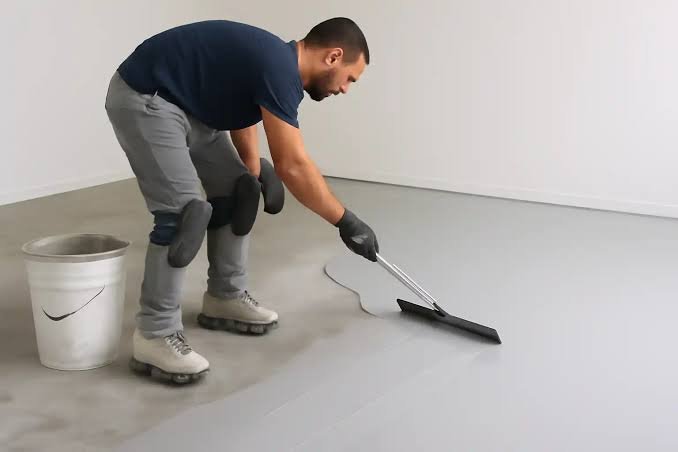

Epoxy flooring is celebrated for its resilience and sleek finish, making it a top choice in homes, warehouses, and commercial environments. Before investing in this type of flooring, it is important to understand the steps that ensure lasting results and beautiful surfaces. Anyone considering epoxy floor coating installation in Salt Lake City, Utah must pay special attention to proven installation and care practices that affect both longevity and appearance.
Proper installation methods and regular maintenance routines not only safeguard your investment but also keep your floors looking fresh and performing well over time. Whether for a garage, showroom, or industrial space, following expert advice helps prevent common mishaps and preserves the benefits of epoxy floors.
Surface Preparation
Achieving high-quality epoxy flooring starts with meticulous surface preparation. The underlying concrete must be completely clean, dry, and free of any residues, such as oils, dirt, grease, or old paint. Professional installers typically use shot blasting or diamond grinding to create a textured surface profile that promotes better mechanical adhesion. Skipping or rushing this step can cause peeling and poor performance, ultimately undermining the durability of the flooring system.
Choosing the Right Epoxy System
Not all epoxy coatings are created equal, which is why it is important to pick an epoxy system suited to your space and usage patterns. In high-traffic areas like garages or commercial kitchens, a thick, multi-layered system with a protective topcoat offers added resistance to wear and impact. For spaces exposed to frequent sunlight, UV-resistant formulations prevent unsightly yellowing or surface degradation. Consulting with a seasoned epoxy installer can help you match your specific demands with the right product.
Installation Best Practices
During installation, precision is key. Carefully mix resin and hardener as instructed; even minor deviations can affect curing and strength. Temperature and humidity are crucial; epoxy should be applied within recommended conditions, and the concrete must not be too cold or damp. Rushing curing or walking on the surface early can cause imprints and weaken bonds.
Apply the coating in even layers using high-quality rollers and squeegees. Edges are cut in first with brushes for coverage. Anti-slip additives or colored flakes can be added to wet epoxy for safety and design flexibility.
Curing time is vital, ranging from 24 to 72 hours depending on conditions. Protect the floor from dust, debris, and foot traffic during this period. Some formulations cure faster, reducing downtime, but rushing may cause damage or imperfections.
Maintenance Tips
Proper maintenance can dramatically increase the life expectancy and appearance of your epoxy floors. Regular sweeping and damp mopping with a pH-neutral cleaner removes dust and grit that would otherwise scratch or dull the finish. Promptly wiping up spills, especially oil, acids, or harsh chemicals, prevents staining and chemical reactions that might compromise surface integrity. Avoid steel wool or abrasive pads. Instead, use soft microfiber mops for safe cleaning. For further maintenance advice, the Bob Vila guide on cleaning epoxy floors offers practical techniques suitable for all environments.
Long-term maintenance of epoxy floors may include occasional recoating or touch-ups, especially in high-traffic areas where wear and tear are more noticeable. If you notice areas where the gloss has faded or scratches have developed, many professionals recommend lightly sanding the affected area and applying a new topcoat to restore the original luster and protective properties. In facilities where excessive moisture or chemicals are present, periodic inspections by a flooring specialist help catch damage early and allow appropriate repairs to prevent widespread issues.
Common Mistakes to Avoid
Many epoxy flooring problems arise from avoidable mistakes like skipping surface prep, applying over damp concrete, or using poor materials, increasing failure risk. Errors in measuring, rushing, or ignoring conditions can cause bubbles and delamination. Hiring experienced pros and quality materials is key to avoiding these. DIYers should note that online tutorials may oversimplify; environmental controls, proper ventilation, and patience are crucial. Rushing or skipping steps can lead to costly errors. Planning carefully ensures better results. In commercial projects, professional installers using high-performance materials ensure reliability and peace of mind.
Conclusion
Careful planning, expert application, and diligent maintenance are the pillars of a successful epoxy flooring installation. By following these best practices, property owners ensure their floors will remain both beautiful and durable for years to come. By properly preparing the surface, matching the epoxy system to the space, strictly following installation procedures, and caring for the floor, you can maximize the long-term value and enjoyment of your epoxy surface.
Ultimately, investing the time to understand and implement high-quality epoxy flooring practices pays off with stunning results and lasting value. If you aim for floors that combine low maintenance with striking visuals and robust performance, seeking professional guidance, using the best materials available, and adopting a proactive maintenance approach are essential steps. As epoxy flooring technologies continue to evolve, advances in formulations and installation techniques will offer even greater benefits to property owners seeking floors that stand the test of time and make a lasting impression on all who see them.