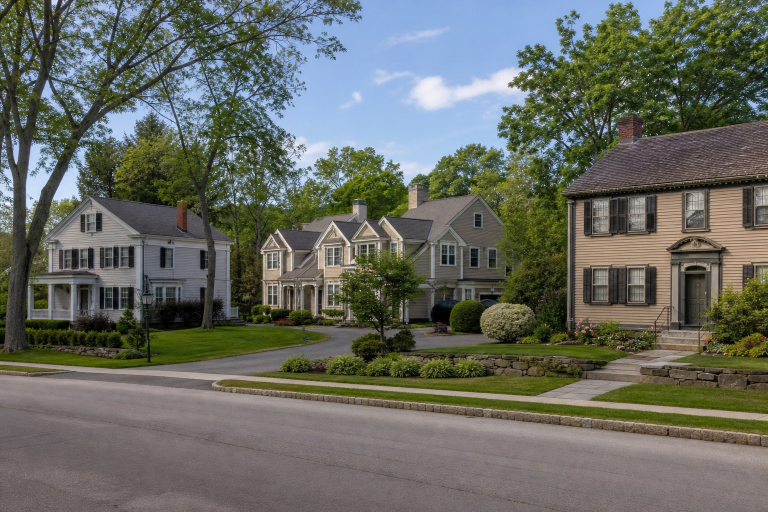

Comparing homes in Wayland requires more than lining up asking prices and bedroom counts. A property can look ideal during a short showing yet create daily frustrations through a difficult commute, limited storage, aging systems, or a yard that requires more work than the household expects. Buyers reviewing homes for sale in Wayland can use Leah Hart’s Wayland property search to view available listings and filter by price, home type, and features. Leah Hart brings 17 years of Coldwell Banker experience in the local market and serves Wayland and nearby Weston, Natick, Lincoln, Wellesley, Sudbury, and surrounding communities. That local perspective can help buyers compare properties based on lifestyle fit rather than price alone.
Why Home Comparison Matters
Two homes in a similar price range may offer entirely different ownership experiences. One may have a practical mudroom, a manageable lot, and easy access to regular errands. Another may have more square footage but a fragmented floor plan, steep driveway, or costly maintenance needs. The goal is not to find the objectively “best” house. It is to identify the home that works best for the people who will live there.
Start With Daily Life
Before scheduling multiple tours, write down what a normal weekday and weekend look like. This makes it easier to assess whether each property supports the household’s actual needs.
- How many people will live in the home now, and might that number change?
- Is a dedicated home office, playroom, guest room, exercise room, or first-floor bedroom important?
- How much time feels reasonable for commuting, school drop-offs, shopping, and medical appointments?
- Would the household rather have a quiet setting, nearby trails, or closer access to services?
- How much lawn care, snow removal, tree work, and seasonal upkeep is realistic?
For example, a buyer may be happier choosing a smaller home with a well-designed kitchen, useful storage, and a shorter drive than a larger property that adds hours of travel and a demanding yard. Square footage only adds value when it improves how the home is used.
Compare Property Types
Single-Family Homes
Single-family homes often offer privacy, outdoor space, and broad control over renovations. In exchange, the owner is responsible for the roof, siding, driveway, landscape, drainage, heating equipment, and other major systems. Buyers should consider whether both the time commitment and repair reserve feel manageable.
Condos And Townhomes
Condos and townhomes can reduce exterior maintenance, but association rules and fees deserve close attention. Review the budget, reserve balance, master insurance policy, meeting minutes, pending projects, and potential special assessments. A lower-maintenance property is not automatically a lower-cost property.
Older, Historic, And Renovated Homes
Older homes may offer character, mature surroundings, and distinctive craftsmanship, but plumbing, electrical systems, insulation, roofs, and heating equipment may require closer review. Recently renovated homes can offer modern finishes and newer systems, yet buyers should still request permits, warranties, invoices, and contractor information for substantial work.
Review Location And Travel Patterns
Location should be tested through real routines rather than a quick look at a map. Drive the route to work or school during typical morning and evening travel windows. Visit at different times to notice traffic, road noise, parking patterns, lighting, and how the area feels after dark.
- Check access to groceries, pharmacies, parks, recreation, and urgent care.
- Consider winter access, steep grades, drainage, and driveway conditions.
- Look at proximity to major roads, walking paths, and community facilities.
- Think about whether errands will feel convenient or become a frequent burden.
A home near a main route may simplify commuting and errands but bring more traffic noise. A quieter setting may offer more privacy and open space, but may require longer drives. Neither is automatically better. The right choice depends on priorities.
Study Layout And Condition
During each showing, evaluate the home in the same order and take notes immediately. A room-by-room checklist, photos, or a short video can prevent details from blending after several tours.
- Flow: Consider movement between the kitchen, living spaces, bedrooms, entry points, and outdoor areas.
- Storage: Look beyond bedroom closets to garages, basements, mudrooms, attics, and pantry space.
- Light: Notice natural light in the morning and afternoon, especially in rooms used most often.
- Flexibility: Identify spaces that could become an office, guest room, nursery, or first-floor sleeping area.
- Systems: Ask about the age and condition of the roof, windows, electrical panel, heating equipment, water heater, and cooling systems.
- Exterior: Review siding, foundation conditions, gutters, grading, drainage, driveway surfaces, and large trees.
Check Full Ownership Costs
The mortgage payment is only one part of the budget. Build a realistic estimate that separates costs into three groups:
- Known costs: Principal, interest, property taxes, homeowners’ insurance, and association fees.
- Likely costs: Utilities, lawn care, snow removal, routine repairs, and seasonal servicing.
- Risk costs: Aging systems, drainage corrections, roof replacement, major assessments, or planned renovations.
Leave room in the budget for repairs after closing. Even a well-maintained home can need unexpected work, and an affordable purchase can become stressful if it leaves no financial flexibility.
Use Market Data Carefully
Current market numbers can help set expectations, but they cannot establish the value of a specific home on their own. Compare recent sales with properties of similar age, size, location, condition, lot characteristics, and renovation quality. Price per square foot is a reference point, not a final answer, especially when comparing condos, older homes, and extensively updated properties. Market conditions can change quickly in 2026, particularly when the number of local sales is limited. Ask for the most recent comparable sales before making an offer, and distinguish between an ambitious list price and a supportable market value.
Complete Buyer Due Diligence
The Massachusetts homebuying process guide is a useful planning resource for understanding financing, inspections, legal documents, and the sequence of a typical purchase. Use it as a starting point, then seek advice from qualified professionals for property-specific questions.
- Obtain a professional home inspection.
- Review permits for additions, finished spaces, decks, and significant renovations.
- Confirm boundaries, easements, zoning rules, and conservation concerns when relevant.
- Ask about septic records, wells, oil tanks, drainage, wetlands, and private systems where applicable.
- Review condo documents, insurance, reserve funds, and pending assessments.
- Confirm insurance availability before contingency deadlines.
Make The Final Choice With Confidence
Before writing an offer, score each finalist from one to five for daily lifestyle, location, layout, condition, monthly cost, future flexibility, and resale appeal. Revisit the original needs list, compare the home against recent alternatives, and consider how it will function if work, family, mobility, or financial priorities change. The strongest choice is usually the home that remains practical after the excitement of the showing fades.
Conclusion
The best Wayland home is not simply the one with the most appealing features or the lowest price. It is the property that fits your daily routine, budget, maintenance expectations, and long-term plans. By comparing location, layout, ownership costs, property condition, and future flexibility, buyers can make a more informed decision. Careful research, inspections, and consistent side-by-side comparisons help reduce uncertainty and lead to a home that remains comfortable, practical, and valuable for years to come.