
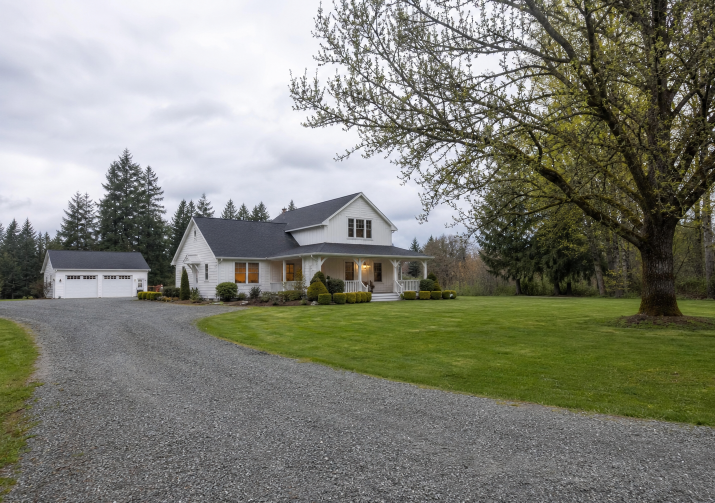

Choosing between an established neighborhood and acreage in Snohomish, Washington, is about more than comparing lot size, number of bedrooms, or listing price. The Snohomish area offers historic in-town streets, nearby services, wooded rural roads, open land, and properties that can support very different versions of daily life.
Buyers weighing those options can benefit from a local perspective from Snohomish WA real estate agent Kathie Salvadalena. Kathie Salvadalena’s website includes home-buying resources, neighborhood information, and property guidance for Snohomish County communities, including Snohomish, Lake Stevens, Everett, Monroe, Woodinville, and Mill Creek, making it a useful starting point for comparing lifestyle needs with the practical details of a home search.
What In-Town Living Offers
Daily Convenience
In-town living may put everyday destinations closer to home. Buyers may appreciate easier trips to downtown Snohomish, grocery stores, restaurants, parks, appointments, schools, and local events. A shorter distance does not guarantee a short trip every hour, but it can reduce the planning involved in a typical weekday.
Housing Character
Established Snohomish neighborhoods can include mature landscaping, sidewalks, distinctive architecture, and older homes with individual character. That character deserves a thoughtful inspection. Buyers should pay close attention to roofs, drainage, electrical systems, plumbing, insulation, windows, and deferred maintenance. Exterior changes may also involve additional review when a property is in a historic setting.
Who May Prefer In-Town Living?
- Buyers who want less land and fewer outdoor systems to manage.
- Households with frequent weekday errands or activity schedules.
- People who value nearby parks, services, and a connected neighborhood feel.
- Buyers are drawn to character homes and established streets.
What Acreage Living Offers
Space And Privacy
Acreage can create room for gardens, pets, workshops, equipment, outdoor entertaining, storage, and recreation. It may also offer more separation from neighbors and a quieter pace. For some households, the ability to step outside without feeling close to surrounding homes is the central benefit, not an extra feature.
The Tradeoffs
Land changes the ownership experience. More space can mean more mowing, tree care, fencing, drainage work, driveway maintenance, and planning. Rural properties may rely on a private well, septic system, propane, or other property-specific services. A buyer who loves a sunny pasture in July should also picture managing access, mud, fallen branches, and routine maintenance during a wet Snohomish winter.
Match The Home To Daily Life
Use a “normal Tuesday” test before committing to either setting. Picture the school drop-off, work commute, grocery run, dog walk, appointment, package delivery, and evening activity that make up a real week. A property that feels perfect for a Saturday gathering may not fit a schedule that requires several trips each day.
Questions To Ask
- How often does the household need to leave home each week?
- How much yard work and land care feels realistic?
- Is privacy more important than convenience?
- Will children need quick access to schools, parks, or activities?
- Does remote work require dependable high-speed internet?
- Would a long, narrow, or steep driveway create winter stress?
Compare Commute And Access
A few additional miles can add up to a meaningful weekly time commitment when they are repeated for work, school, shopping, and activities. Test routes during the times you would actually travel, rather than relying on a quiet weekend drive. Also consider road width, sightlines, driveway slope, school transportation, nearby medical services, and responsibility for private-road maintenance.
Review Utilities And Internet Service
Utilities are often one of the clearest practical differences between in-town and acreage properties. Confirm whether the home uses public water and sewer or a well and on-site septic system. Buyers should review the county’s sewer and water requirements when evaluating properties that may need approvals, records, or health department review for water and septic systems.
- Ask when the well was last tested and whether flow or water-quality records are available.
- Request septic permits, inspection information, pumping history, and drain-field location details.
- Confirm heating fuel, electrical capacity, waste collection, and exact-address internet options.
- Verify that available internet service supports remote work, streaming, telehealth, or other household needs.
Think Through Maintenance And Upkeep
Smaller in-town lots may reduce the need for mowing and exterior work, although an older home can still require significant upkeep. Acreage adds land-based responsibilities, including brush control, drainage, fencing, tree care, outbuildings, and driveways. The right question is not whether maintenance exists. It is whether the household has the budget, time, equipment, and interest to handle it.
Complete Property Due Diligence
On acreage, investigate the land as carefully as the house. Confirm zoning, legal access, private-road agreements, well and septic records, property boundaries, floodplain or wetland considerations, drainage patterns, and permits for barns, sheds, shops, or other structures. A general inspection is important, but buyers may also need septic, well, survey, drainage, retaining wall, tree, or slope specialists, depending on the property.
Consider Resale Appeal
In-town properties may appeal to future buyers seeking convenience, character, and access to services. Acreage may appeal to buyers focused on privacy, usable land, and flexibility for outdoor interests. Neither category automatically has a stronger resale appeal. Condition, price, access, records, location, and the clarity of the property’s value to its likely buyer all matter. Clean documentation can make a rural home easier to understand and evaluate later.
Use A Buyer Checklist
- Define the preferred lifestyle before narrowing the search area.
- Set a realistic commute limit and test it at normal travel times.
- Compare ownership costs beyond the mortgage payment.
- Confirm water, sewer or septic, power, heating, waste, and internet details.
- Review zoning, access, drainage, and permits before finalizing an offer.
- Visit at different times of day and walk the full property.
- Consider how clearly the home will serve a future buyer.
Final Thoughts
In-town and acreage homes represent two distinct ways to live in Snohomish, WA. One may offer access, connection, and established character. The other may offer privacy, space, and a quieter rhythm. By measuring each option against real routines, utility needs, land responsibilities, and future resale considerations, buyers can choose a home that still feels right long after closing.
Read Also: flypapermagazine.com