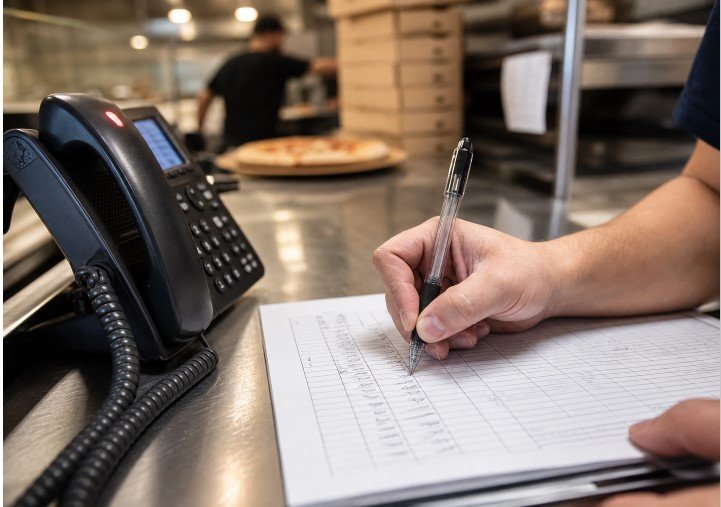

For a pizzeria, the dinner rush can turn one ringing phone into a service bottleneck. A counter employee may be taking payment, a driver may be leaving with deliveries, and the kitchen may be handling several tickets at once. When nobody can answer quickly, a caller may hang up before placing an order. Operators evaluating call-management options can review this phone service company, Clarity Voice, whose PizzaPhones page focuses on phone systems for pizza operations, including call handling, recordings, routing, caller ID, and cellular failover. Its pizzeria-specific focus on local, regional, national, and multi-unit businesses, along with U.S.-based support, makes Clarity Voice a relevant authority for shops that depend on reliable phone ordering.
Missed calls are not simply an inconvenience. They can mean a lost sale, a disappointed regular, or a poor first experience for a new customer. Reducing them does not require an overly complicated process. It starts with clear responsibilities, a repeatable order flow, useful call data, and a backup plan that works when the store is busiest.
Why Peak Hours Create More Missed Calls
Phone traffic often rises at the same time that the kitchen, pickup area, and delivery station are under the greatest pressure. In a small shop, one employee may be expected to answer phones, greet walk-in guests, package orders, and coordinate drivers. That arrangement can work during slow periods, but it is unreliable when several calls arrive close together.
Common causes include having too few available lines, sending callers to voicemail too quickly, unclear ownership of phone duty, loud kitchen conditions, and internet or equipment interruptions. A rush-hour plan should address each of these points instead of assuming staff will somehow manage every call as it comes in.
Start With a Simple Call and Order Audit
Before changing providers, buying equipment, or adding labor, identify when and why calls are being missed. Review the previous 30 days and compare unanswered calls with sales patterns by hour and day. Ask employees where calls become difficult to manage, then look for repeated issues rather than isolated incidents.
A simple weekly tracking list can include:
- Date and time of the call.
- Call type, such as new order, menu question, delivery request, or order-status question.
- Whether the call was answered, held, routed, or missed.
- The estimated order value can be determined.
- The likely reason the call was missed is that there was no available staff member, a long payment process, noise, or an outage.
Also record average hold times during lunch, dinner, weekends, and promotions. Looking at hold time beside order errors matters. Faster calls are not an improvement if the kitchen receives inaccurate tickets.
Assign a Dedicated Rush-Hour Phone Role
During predictable peaks, assign one trained person to their own incoming calls for the busiest period. For many shops, that may be a 90-minute window around dinner. The role can rotate among trained employees, but the responsibility should be clear for every shift.
Give the phone lead a backup person for times when payment, a complaint, or a complex order requires extra attention. A short, consistent script helps the team stay friendly while moving efficiently:
- Greet the customer and identify the location.
- Take the order using the same sequence every time.
- Offer one or two relevant add-ons.
- Repeat the complete order, total, and expected pickup or delivery time.
Reduce Call Time Without Rushing Customers
Fast calls begin with information that is easy for staff to find. Keep current menus, prices, toppings, allergy notes, delivery zones, bundle details, and promotional rules close to the phone station. Specialty pizzas should have clear names, and staff should know the exact wording used in the ordering system.
Before ending a call, confirm the customer name, callback number, address when applicable, items, modifications, final price, and promised time. For deliveries, verify apartment or suite numbers, gate codes, and special instructions. This small step can prevent remakes, refunds, and drivers searching for missing details.
Move Routine Questions to Self-Service Channels
Online ordering should reduce routine phone traffic, not eliminate human assistance. Make sure business hours, menu availability, delivery areas, minimums, fees, estimated times, and the mobile ordering button are accurate and easy to find. During closed hours, a recorded message can answer basic questions and direct customers to online information.
Restaurant operators are increasingly using digital tools to improve efficiency while maintaining customer relationships. The restaurant industry outlook from the National Restaurant Association reflects the broader focus on technology, automation, and operational data across foodservice. Even so, customers with complicated requests, accessibility needs, or delivery problems should still have a direct path to a person.
Choose Phone Features That Match the Business
The right phone setup depends on the shop’s call volume and operating model. Useful features to consider include multiple lines, call queuing, overflow routing, business-hour routing, caller ID, call recordings, reporting, and backup connectivity. Call reporting can help managers identify answer rates, recurring high-hold periods, and the times when staffing needs adjustment.
Call recordings can be especially useful for coaching. Review a small sample to identify unclear greetings, missed modifiers, incomplete address checks, or unrealistic promised times. Use recordings to improve the process, not to turn every mistake into a disciplinary issue.
Build a Backup Plan for Outages
A phone outage during a Friday night, holiday weekend, sporting event, or severe-weather period can disrupt the entire order flow. Keep the main business number active, determine where calls should go if the primary location cannot answer, and maintain an updated message for service disruptions.
Test the plan at least monthly and before a major promotion. Managers should know who can activate forwarding, where backup devices are located, and how the team will communicate changes to staff, customers, and drivers.
Track Five Numbers Each Week
- Answer rate: The share of incoming calls answered by the store or an approved backup.
- Average hold time: How long callers typically wait before speaking with someone.
- Missed calls: The number of unanswered calls in each operating period.
- Order error rate: Orders requiring corrections, refunds, remakes, or redelivery.
- Average phone-order value: The typical amount spent by customers ordering by phone.
Review these figures together. A promotion that increases calls may be successful only if the store can answer those calls, produce orders accurately, and meet the times it promises.
Use Promotions and Automation Carefully
Keep rush-hour promotions simple enough to explain in one sentence. Avoid rules that require employees to pause a call, calculate exceptions, or ask the kitchen for clarification. When capacity is tight, consider limiting the offer, shortening the availability window, or running it during a slower period.
Automation can handle routine messages and overflow, but it should support rather than replace thoughtful service. Keep human review available for allergy concerns, complaints, complex custom orders, and delivery issues. Test new tools with a limited group of calls before making them part of every customer interaction.
A 30-Day Plan for Fewer Missed Orders
- Days 1 to 7: Track missed calls, hold times, common questions, and order errors.
- Days 8 to 14: Assign rush-hour phone coverage and train staff on a standard confirmation script.
- Days 15 to 21: Update menus, business listings, recorded messages, delivery information, and ordering links.
- Days 22 to 30: Test routing, backup connectivity, staff coverage, and weekly call reports.
Conclusion
Pizzerias do not have to accept missed calls as unavoidable during busy periods. By measuring call activity, assigning a clear phone role, confirming orders carefully, improving self-service information, and preparing for outages, a shop can protect both customer service and kitchen flow. The strongest approach combines helpful people with practical technology, using each where it provides the most value.
Read Also:- https://flypapermagazine.com/