
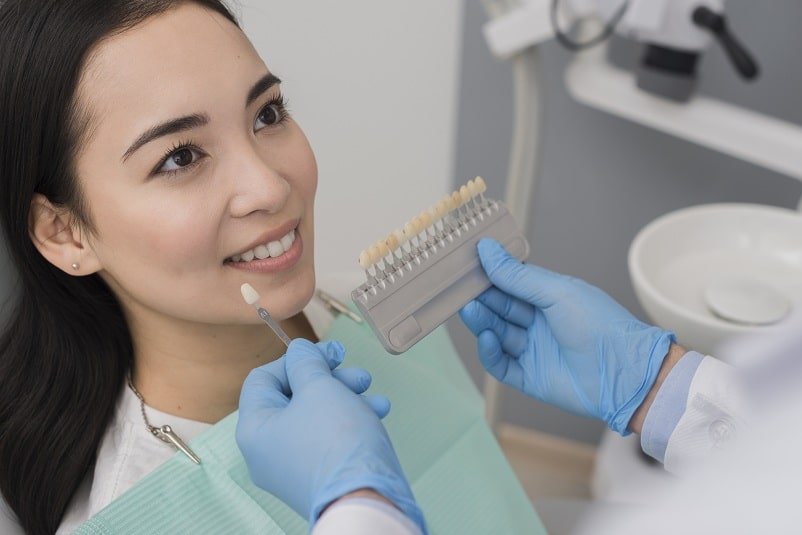

Choosing a cosmetic dental treatment for one person is hard enough. Choosing the right option for a spouse, a teenager, or a parent can feel like too much at once. One person wants straighter teeth, another is bothered by stains, and someone else has a chipped front tooth that suddenly affects every photo and every smile. You are not just comparing treatments. You are trying to balance comfort, cost, timing, and what each family member actually needs as you explore cosmetic dentistry options in Lakewood Ranch.
The right answer usually is not the newest treatment or the one that looks best online. It is the one that fits that person’s age, oral health, habits, goals, and budget. A good family and cosmetic dentist looks beyond appearance alone and helps match the treatment to the person wearing the smile every day.
Oral Health Comes Before Cosmetic Dental Work
A bright smile does not last long if the teeth and gums underneath are not healthy. Cavities, gum inflammation, worn enamel, and bite problems can change which cosmetic treatment makes sense. Teeth whitening, veneers, bonding, braces, and aligners all depend on a stable base.
If a family member has bleeding gums or untreated decay, cosmetic work may need to wait. The Health Resources and Services Administration explains that adult oral health affects comfort, eating, speaking, and overall well being. That matters because a treatment that looks simple on the surface can fail early if the mouth is not healthy first.
This is where many families get frustrated. They come in thinking the issue is color or shape, then learn the real issue is gum disease, grinding, or old dental work that needs attention. That can feel disappointing, but it protects the result and saves money later.
Age and Growth Change Which Smile Treatments Work Best
Children, teens, adults, and older adults do not have the same dental needs. A teenager with shifting teeth may be a better fit for orthodontic treatment than veneers. An older adult with worn edges, thinning enamel, or missing teeth may need restorative work before cosmetic changes make sense.
Growth matters too. Clear aligners or braces can be timed around jaw development, and that timing affects results. The FDA offers a useful overview of traditional braces and clear aligner options, including the need for professional evaluation and supervision. That is especially relevant for teens, because what looks like a minor spacing issue may actually involve bite alignment.
For younger children, cosmetic treatment is often conservative. Bonding for a chipped tooth may be enough. For adults, choices open up, but so do long term concerns like maintenance and replacement costs.
Appearance Goals Need to Match the Right Treatment
Not every smile concern calls for the same fix. Whitening helps with surface stains, but it will not close gaps or repair a crack. Bonding can reshape small flaws, but it may not hold up as long as porcelain in high pressure areas. Veneers can transform shape and color, but they are not the first choice for every person.
You may have one family member who wants a subtle change and another who wants a dramatic one. That difference matters. Some people are happy if their teeth look cleaner and brighter. Others are focused on symmetry, spacing, and how their smile appears in close conversation. The best cosmetic dental treatment options for families start with a clear goal, not a trend.
Daily Habits Affect Longevity and Comfort
Habits can quietly decide whether a treatment succeeds. Someone who drinks coffee daily may need more whitening touch ups. A person who grinds their teeth may damage bonding or veneers without a night guard. A teen who forgets retainers may lose the result of orthodontic treatment faster than expected.
These details matter because cosmetic dentistry is not just about what happens in the chair. It is also about what happens at school, at work, during meals, and late at night. If a treatment demands maintenance that does not fit real life, it becomes a poor match even if it looks ideal on paper.
Budget and Long Term Costs Shape the Best Cosmetic Dentistry Choice
The lowest upfront price is not always the least expensive path. Whitening may cost less now, but repeated treatments add up. Bonding often costs less than veneers, but it may stain or chip sooner and need more repairs. Orthodontic care can be a larger investment early, but it may prevent uneven wear and future dental issues.
Families often need to think in phases. One child may need braces this year while a parent plans whitening or crowns later. A smart treatment plan respects that reality. The goal is not to do everything at once. It is to make choices that fit the family’s timeline without creating regret later.
Medical History and Existing Dental Work Limit Some Options
Old fillings, crowns, sensitivity, dry mouth, and certain medications can all affect treatment selection. Whitening, for example, does not change the color of crowns or fillings. If a front tooth already has visible dental work, whitening nearby teeth can make that mismatch more obvious.
MedlinePlus notes that tooth disorders and dental conditions can involve pain, infection, enamel damage, and structural problems. That matters because cosmetic treatment has to work with the teeth a person has now, not the ideal teeth shown in an ad.
Time, Recovery, and Maintenance Matter More Than People Expect
Some treatments are fast. Some require months. Some need regular polishing, retainer wear, or future replacement. A parent with a busy schedule may prefer a conservative option with little follow up. A teen in sports may need an orthodontic plan that works with mouthguard use. A family member preparing for a wedding or graduation may need a treatment that fits a deadline without cutting corners.
| Treatment | Best For | Time Frame | Maintenance |
|---|---|---|---|
| Teeth Whitening | Surface stains and color improvement | Often one visit or short take home course | Touch ups may be needed with coffee, tea, or tobacco use |
| Dental Bonding | Small chips, gaps, and shape correction | Often one visit | May stain or chip and need repair over time |
| Veneers | Color, shape, and multiple front tooth concerns | Usually several visits | Long lasting, but may need replacement in future years |
| Braces or Clear Aligners | Crowding, spacing, and bite issues | Months to years | Retainers are needed after treatment |
Three Steps to Make the Best Choice for Each Family Member
Start with a full exam. Ask for a treatment plan that addresses health, function, and appearance in that order. This gives you a realistic picture of what can be done now and what should wait.
List each person’s real priorities. Write down what bothers them most, how quickly they want a change, and what maintenance they can honestly keep up with. This keeps the decision grounded in daily life, not wishful thinking.
Compare short term cost with long term value. Look at expected upkeep, replacement needs, and whether the treatment solves the actual problem. This is often the deciding factor in choosing the best cosmetic dental treatment for a household.
The right answer usually is not the newest treatment or the one that looks best online. It is the one that fits that person’s age, oral health, habits, goals, and budget. A good family and cosmetic dentist looks beyond appearance alone and helps match the treatment to the person wearing the smile every day.
A smile plan does not need to be perfect to be right. It needs to fit the person, the timing, and the condition of their teeth. When each choice is made with those seven factors in mind, cosmetic dentistry becomes less overwhelming and far more useful. If you are weighing options for a child, partner, or parent, schedule a visit with a family and cosmetic dentist and get a plan built around the people you care about most.