
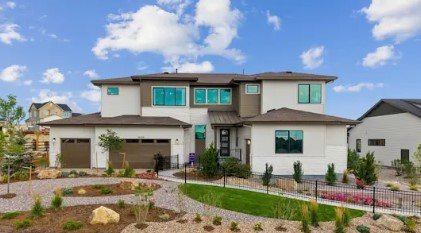

Buying a home along Colorado’s Front Range is also a decision about daily life. A property in Niwot, Longmont, Boulder, Erie, Louisville, Lafayette, or another nearby community may offer very different routines, travel patterns, housing styles, and ownership costs, even when the homes appear similar online.
For buyers narrowing their search in Boulder County and nearby northern Colorado communities, Niwot CO real estate agent Deborah Read Fowler provides home-search tools, property valuation guidance, and neighborhood information for areas including Niwot, Longmont, Boulder, Erie, Louisville, and Lafayette. Deborah Read Fowler is based in Niwot and brings local market perspective that can help buyers compare not just square footage and finishes, but also the community characteristics that shape long-term satisfaction.
Why Neighborhood Research Matters More in 2026
Buyers have reason to compare locations carefully. In September 2026, Denver Metro had 13,522 active listings, 20 weeks of inventory, and a 33-day median time on the MLS. More options give buyers room to compare, but don’t guarantee an obvious fit. Metro-wide data offers context; neighborhood listings and recent sales better reflect a target area.
Foothills homes may offer trail access and views, while homes near central Longmont or Boulder may shorten trips to restaurants, services, and events. Neither is universally better; the right choice fits a buyer’s schedule, budget, and plans.
Start With Daily Life, Not a Map
Before comparing kitchens, primary suites, or lot sizes, outline an ordinary week. Consider the drive to work, school drop-offs, regular grocery trips, medical appointments, fitness routines, airport travel, and visits with family or friends. Remote workers should also think about internet needs, workspace, household noise, and whether they want easy access to coffee shops, libraries, or coworking spaces.
For example, a buyer might choose a somewhat smaller home near central Niwot rather than a larger property farther away because the closer location reduces driving and puts parks, trails, and everyday services within easier reach. The home is only part of the lifestyle equation.
Compare Costs Beyond the Listing Price
Two homes with similar prices can create very different monthly obligations. Build a side-by-side estimate that includes:
- Mortgage principal, interest, and the expected interest rate.
- Property taxes and homeowners insurance.
- HOA dues, transfer fees, and any known special assessments.
- Utilities, lawn care, snow removal, and routine maintenance.
- Commuting, parking, fuel, and vehicle costs.
- Likely repairs, renovations, or furnishings needed after closing.
Request insurance estimates early, especially for homes near open space, in foothill locations, or in areas with potential flood or wildfire considerations. Insurance availability and pricing can affect the true affordability of a property. Buyers considering unincorporated areas can use Boulder County floodplain management information to identify official contacts and begin researching flood-related questions.
Look at Home Types and Neighborhood Design
Colorado Front Range communities include historic homes, newer planned neighborhoods, townhomes, condos, rural properties, and homes on larger lots. Each option has trade-offs. Older homes can offer established landscaping and character, but buyers should pay close attention to maintenance history, electrical systems, roofing, drainage, and insulation. Newer homes may provide modern layouts and lower immediate maintenance needs, though HOA rules or smaller lots may be part of the package.
During visits, assess sidewalks, street design, parking, garage space, storage, bike access, and how the neighborhood feels on foot. If an HOA applies, review its rules, budget, reserve information, amenities, and maintenance responsibilities before making an offer. Buyers should also ask about renovation limits in historic districts or planned communities.
Check Schools, Parks, and Community Features
Use school ratings as one research tool, but verify attendance boundaries, transportation, programs, and enrollment policies with the district, as details can change.
Compare nearby amenities too: parks, trails, recreation centers, libraries, sports fields, child care, transit, bike routes, and gathering places. In Niwot, local events and open space may matter as much as proximity to major job centers.
Review Risk, Noise, Traffic, and Future Change
A thorough comparison includes practical risk research. Ask about drainage patterns, wildfire exposure, emergency access, hail and wind history, and road conditions during winter weather. Buyers should also investigate whether a property has a septic system, well, private road, or other features that differ from those of a typical in-town home.
Visit each finalist neighborhood more than once. Check weekday mornings, afternoon school traffic, evenings, and weekends. Listen for highway traffic, rail lines, commercial activity, sports fields, construction, or airport-related noise. Review public planning information for proposed roads, housing developments, retail projects, or open-space changes that could alter traffic, views, or nearby activity.
Use a Simple Neighborhood Scorecard
Give every neighborhood a score from one to five in these categories, then write a short note explaining each score:
- Budget: Does the total monthly cost fit comfortably?
- Commute: How practical is travel to work, school, and regular activities?
- Home fit: Does the property type support present needs and likely future needs?
- Services: Are groceries, health care, recreation, and other essentials convenient?
- Risk: Are insurance, weather, drainage, and emergency concerns manageable?
- Resale: Would future buyers likely value the location, condition, and practical features?
Questions to Ask Before Making an Offer
- How does this neighborhood’s recent activity compare with nearby alternatives?
- Which features tend to attract buyers in this location?
- Are there recurring inspection concerns for homes of this age or type?
- What should be reviewed in HOA documents or property disclosures?
- Are there known development plans, road projects, or zoning questions nearby?
- What insurance quotes and coverage limits are available for this specific address?
A Practical Seven-Day Neighborhood Test
- Choose three to five neighborhoods that meet the basic budget.
- Drive through each one during morning and evening traffic.
- Test the route to work, school, or frequently visited places.
- Visit a grocery store, a park, and a local service location in each area.
- Request insurance estimates for sample properties.
- Review active listings and recent comparable sales.
- Complete the scorecard before deciding where to focus offers.
Frequently Asked Questions
How many neighborhoods should a buyer compare?
Starting with three to five areas often provides enough perspective without making the process unmanageable. The goal is not to see everything. It is to consistently compare realistic options.
Should buyers choose the house or the neighborhood first?
It is usually wiser to identify suitable neighborhoods first, then compare homes within them. A beautiful house cannot fully solve a difficult commute, an inconvenient routine, or ownership costs that strain the budget.
Are neighborhood rankings enough to make a decision?
No. Rankings can help create a starting list, but in-person visits, cost estimates, insurance research, public records, and personal priorities are more useful for making a final decision.
Conclusion
The right Colorado Front Range neighborhood should work for both today’s routines and tomorrow’s plans. By comparing costs, commute patterns, housing design, community features, property risks, and future development, buyers can move beyond a first impression and make a more confident choice.
Read Also:–flypapermagazine.com