
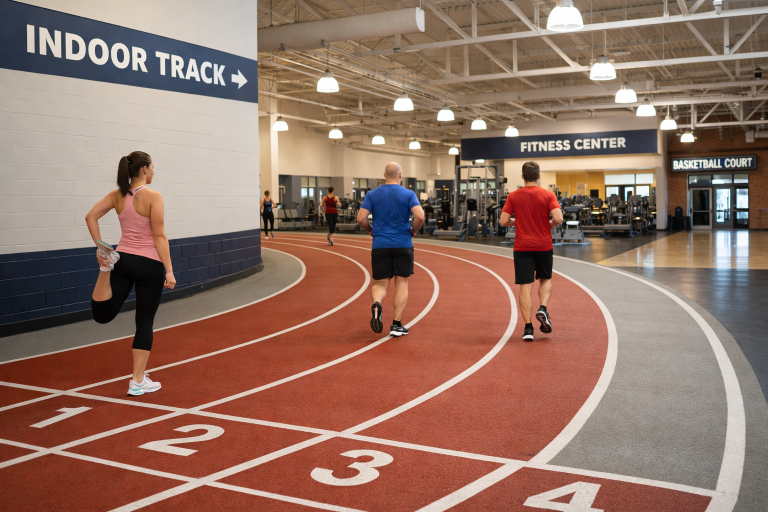

Designing and installing an indoor running track in a gymnasium is a substantial project that brings together engineering, athleticism, and facility management. Whether you are aiming to enhance an existing facility or build a new one, comprehensive planning is key to achieving both safety and longevity. For those considering such an addition, exploring expert solutions is highly recommended. Learn more about indoor running track installation to ensure professional results and performance.
A well-designed indoor running track supports various sports, enhances athlete safety, and increases a gymnasium’s versatility year-round. From selecting optimal materials to understanding the importance of regulation compliance, every stage contributes to a successful installation that serves your community for years. Understanding the complexity of this process helps school administrators, athletic directors, and facility planners make informed choices. Options for track configurations, materials, and maintenance routines can directly influence the usability and value of the gymnasium. Indoor tracks not only enable athletes to train in all weather conditions but also enhance the facility’s appeal to external events and competitions. This leads to greater utility and higher engagement, both for students and the wider community.
Planning and Design
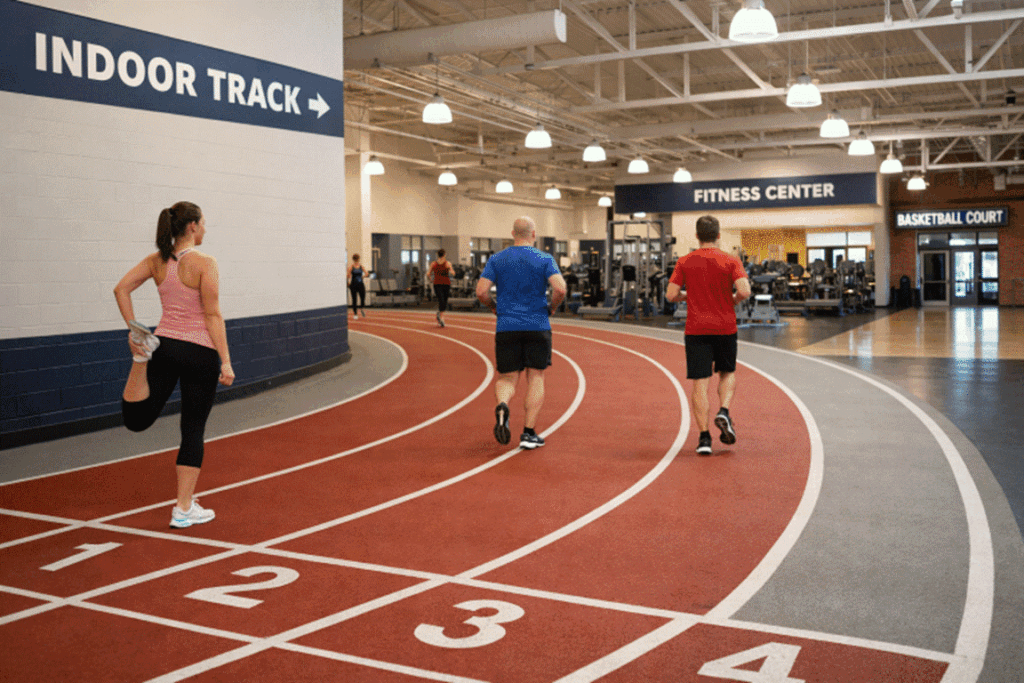
All successful track installations begin with careful assessment of the gymnasium space, including existing infrastructure and ceiling height. While a standard indoor track measures 200 meters and often has six lanes, facilities may vary depending on building size, local guidelines, and intended use. The inclusion of features like banked curves can further enhance both safety and performance during competitions. For deeper insights on layouts, the Sports Venue Calculator guide to design basics offers valuable information on optimizing track configurations.
Design teams must also consider how the track will integrate with other spaces, such as courts or fitness areas, so the facility remains functional for a wide range of groups. Accessibility for maintenance equipment and safe spectator walkways are important planning components as well.
Choosing the Right Materials
Material choice profoundly affects the durability, safety, and feel underfoot of an indoor track. The majority of facilities opt for synthetic surfaces, such as polyurethane, due to their shock-absorbent layer and resistance to wear from heavy usage. These materials require a relatively flat, stable sub-base, typically asphalt, which supports the entire system. For clarity about different surface types and considerations, review the Sports Venue Calculator guide on track surfaces to compare options suited for both competition and training.
Other considerations include surface color, texture, and performance characteristics such as traction and rebound, all of which contribute to both athlete satisfaction and injury prevention.
Construction Process
- Site Preparation: Remove all previous surfacing and carefully grade the subfloor, ensuring a completely level base free of moisture or debris.
- Base Installation: Install a solid, seamless base, commonly asphalt, that can withstand not only the traffic of runners, but also gymnasium equipment.
- Surface Application: Lay down the chosen synthetic track in several layers, each cured and tested for strength. Licensed professionals with experience in athletic surfacing are best suited to perform this step.
- Markings and Finishing: Precisely paint lane lines, start/finish markers, and event-specific boundaries, then install any entryways, padding, or safety equipment as required.
Safety Standards and Regulations
Ensuring compliance with current legal and sporting authority guidelines protects both athletes and facility managers. Regulations may dictate lane widths, surface performance properties, emergency exits, and the quality of lighting and ventilation inside the building. In multi-use gymnasiums, safety standards must account for all activities on or near the track.
Maintenance and Upkeep
Ongoing care of your indoor running track ensures it continues to offer peak safety and performance. Establish a schedule for regular inspections, including visual checks for surface damage, cleanliness, and consistent traction. Swiftly address small issues such as surface peeling, water intrusion, or faded markings. Periodic deep cleaning and professional checks can significantly extend the track’s lifespan and ensure it meets both warranty and regulatory standards.
Cost Considerations
The cost of installing an indoor running track depends on several factors, including total track length, material selection, site preparation, and special features such as banked lanes or multi-sport adaptability. Long-term budget planning should include not only the initial construction but also ongoing maintenance and eventual surface renovations.
Benefits of Indoor Running Tracks
Indoor running tracks add remarkable value to school, college, and community facilities. They allow year-round athletic training, regardless of weather, while offering a safer, more consistent surface for runners. Indoors, tracks are less affected by environmental wear, which keeps repair costs lower and performance higher. In addition, having a high-quality indoor track opens up opportunities to host meets and invite events, bolstering the gymnasium’s reputation and financial sustainability.
Conclusion
The installation of an indoor running track in a gymnasium is an ambitious investment that blends engineering know-how with a vision for athletic excellence. Careful consideration of design, materials, regulations, and maintenance ensures the facility will support athletes and bring value to the greater community for many years. With expert planning and execution, your facility can become a year-round center of health, competition, and engagement.

