
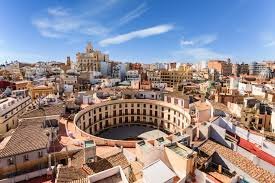

Spain is best experienced as a collection of distinct regions rather than a country to rush through on a single checklist. A culture-first itinerary lets travelers connect architecture, food, historic places, landscapes, and everyday routines in a way that feels more personal. For travelers who want help organizing the logistics around those interests, Spain tour packages can provide a starting point for a more focused route. Instead of trying to fit Madrid, Barcelona, Seville, Valencia, the Basque Country, and the islands into one short holiday, begin with a simple question: What kind of Spain do you want to know? The answer might be found in museum galleries, late lunches, Moorish palaces, coastal walks, local markets, or a combination of all five.
Why A Culture-First Trip Works Well
Regional differences are one of Spain’s greatest strengths. Architecture shifts from the grand avenues and art museums of Madrid to the Modernist streets of Barcelona, the Islamic-influenced monuments of Andalusia, and the stone villages of the north. Food changes too, shaped by local coastlines, farmland, climate, and culinary traditions. A theme gives those differences context, turning separate stops into a coherent journey. A checklist-style trip can produce memorable photographs, but it can also create long travel days and shallow visits. A culture-first plan favors depth over distance. It leaves time to understand why a place looks, tastes, and feels the way it does.
Step One: Choose The Main Travel Theme
There is no universal “best” route in Spain. Start with the experiences you most want to have, then let that priority guide the destinations.
Possible Travel Themes
- Art and architecture: Build around museums, cathedrals, historic districts, public squares, and contemporary design.
- Food and drink: Focus on markets, regional specialties, wineries, bakeries, cooking classes, and family-run restaurants.
- History and heritage: Look for Roman sites, medieval towns, Jewish quarters, pilgrimage traditions, and Islamic architecture.
- Coast and nature: Combine beaches, islands, mountain walks, national parks, and fishing villages.
- Music and festivals: Plan around flamenco, local celebrations, religious observances, concerts, and seasonal traditions.
Step Two: Group Destinations By Region
Regional planning reduces wasted transit time and gives a trip a more natural rhythm. Central Spain and Andalusia work well for art, history, plazas, and traditional music. Catalonia and Valencia suit travelers drawn to design, markets, Mediterranean food, and the coast. The Basque Country and northern Spain offer green scenery, seafood, a distinctive local identity, and a cooler climate. Another useful option is Andalusia paired with the Mediterranean coast, especially for travelers who want historic cities alongside beach time. For a shorter visit, Madrid plus a nearby historic town can offer museums, excellent dining, and a quieter contrast without having to change hotels repeatedly.
Step Three: Build A Realistic Number Of Stops
Every move involves more than the train or flight itself. Packing, getting to the station, checking in, and finding your bearings can take much of a day. For five to seven days, choose one major city and a nearby second base or day-trip area. For eight to ten days, combine two major regions and one smaller stop. For eleven to fourteen days, add a third region only if most stays are at least two nights. With more than two weeks to go, avoid adding cities simply because there is room on the calendar. Add an island, a rural hotel, a coastal village, or several slower days in a favorite base instead.
Step Four: Use Food To Shape The Route
Meals offer one of the clearest introductions to regional identity. Visit a neighborhood market early, try a local specialty in more than one setting, and ask what ingredients are in season. A food walk or cooking class can add useful context, but a long lunch with no timetable can be equally revealing. Leave room for simple discoveries: a bakery near the hotel, a busy bar at lunchtime, or a restaurant where the menu is built around the day’s catch. For timely inspiration about regional dishes and culinary events, browse the official tourism newsroom’s Spanish gastronomy coverage.
Step Five: Add Heritage Without Creating A Checklist
Choose a few sites that genuinely match your interests rather than racing through every famous monument. One major landmark per day is often enough when paired with a garden, a market, a small museum, or a neighborhood walk. Read a short history before visiting, reserve timed entry where needed, and plan a quieter activity afterward. Spain’s heritage ranges from monumental cities to cultural landscapes and archaeological remains. The UNESCO World Heritage listing for Spain is a useful resource for finding places that fit an architecture, history, or landscape-focused route.
Step Six: Plan Around The Season
The ideal month depends on the trip. Spring and fall are often comfortable for city walks, food-focused travel, and outdoor sightseeing. Summer can be ideal for beaches and islands, while inland cities may feel much hotter during the middle of the day. Check festival calendars, seasonal opening hours, crowd levels, and accommodation prices before finalizing dates.
Step Seven: Choose The Right Transport
Trains are often practical for major city-to-city journeys because they connect central areas and remove airport procedures. Reserve popular routes early during busy periods. Rental cars make more sense for mountain villages, wine areas, rural stays, and flexible coastal detours. Could you compare door-to-door travel times, not only the time shown on a ticket, and leave a buffer for connections?
Step Eight: Leave Space For Local Life
An unscheduled afternoon may become the most memorable part of the trip. Use it to wander without a route, sit in a plaza, return to a museum, take a short trip to a nearby town, or follow a resident’s recommendation. Open time makes room for the moments a rigid itinerary cannot predict.
Common Planning Mistakes To Avoid
- Trying to cover too many regions in one week.
- Booking every meal and activity before arrival.
- Assuming the weather is the same throughout the country.
- Forgetting transfer time between stations, airports, hotels, and attractions.
- Visiting only the most crowded tourist districts.
- Scheduling long walking days without rest, shade, or a flexible backup plan.
- Failing to check current entry requirements and booking rules for popular sites.
A Simple Planning Formula For 2026
- Pick one main theme.
- Choose two regions that support it.
- Select two or three overnight bases.
- Add one food experience and one cultural experience in each base.
- Schedule a flexible block every few days.
- Review transport before booking accommodation.
- Confirm current opening hours, event dates, and entry rules before departure.
Final Thoughts
A rewarding Spain itinerary is built around balance rather than trying to see every destination in one trip. By combining major cities with smaller towns, allowing realistic travel times, and leaving room for local food, culture, and unplanned discoveries, travelers can enjoy a more comfortable and memorable experience. Thoughtful planning also makes it easier to manage transportation, accommodation, and daily budgets while reducing travel fatigue. Whether you are visiting for history, architecture, beaches, or regional cuisine, choosing quality experiences over a crowded schedule creates a journey that feels more personal. With a flexible plan and realistic expectations, your 2026 Spain adventure can provide lasting memories long after you return home.
Read Also: flypapermagazine.com