
Your mouth is the part of your body you use most and think about least. It handles every meal, every conversation, and every photograph, and it usually gives no warning at all before something goes wrong.
Cavities do not hurt until the decay is deep. Gum disease progresses for years without pain. By the time something aches badly enough to demand attention, the affordable, simple version of the fix has usually passed.
That is the case for habits. Good oral health is not built during emergencies. It is built in the ordinary two minutes of a morning and the ordinary two minutes before bed, repeated for decades.
People in Madison and elsewhere who reach their seventies with most of their own teeth did not do anything remarkable. They did the basic things consistently and did not skip the appointments.
Having Someone Who Knows Your Mouth
The most common reason problems get expensive is delay. Something small goes unnoticed, the person waits until it hurts, and what would have been a routine filling becomes a root canal or an extraction. Continuity of care solves most of this, because a provider who has seen your teeth over several years spots changes that would not register on a first visit.
A family dentist offers that continuity across everyone in the household, from a child’s first checkup through adult restorative work and the specific concerns that come with age. Bouncing between offices means starting over every time, with no record of what has shifted and no one who knows your history.
Before a small problem becomes a painful one, book a consultation with an experienced family dentist in Madison to handle regular exams and cleanings for the whole household.
Brushing Properly Rather Than Just Frequently
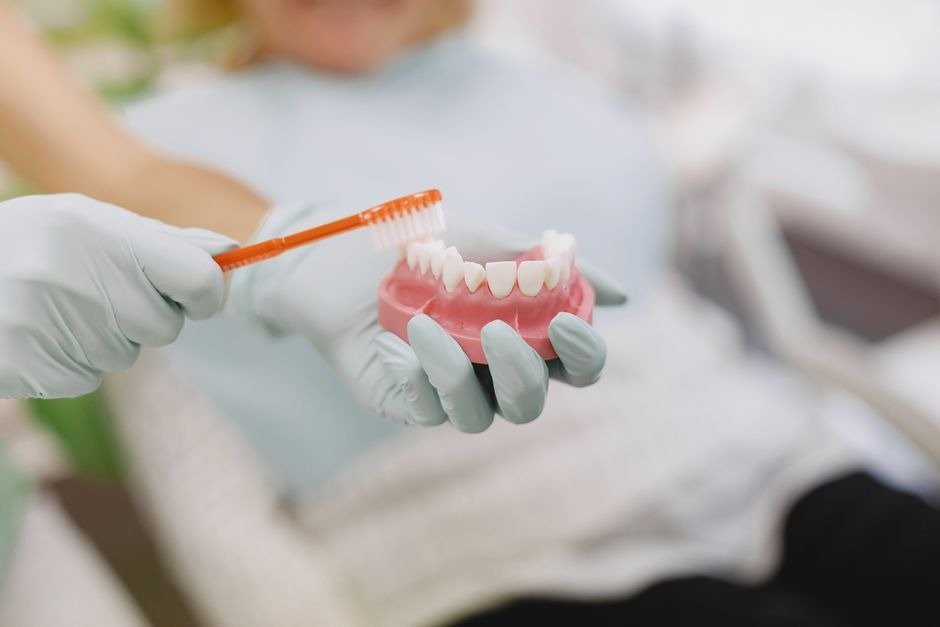
Almost everyone brushes. Fewer people brush well, and technique matters more than enthusiasm. Two full minutes, twice a day, using a soft-bristled brush held at roughly a forty-five-degree angle to the gumline.
Gentle circular motions rather than hard scrubbing, because aggressive brushing wears enamel and pushes gums back permanently.
Most people brush for well under a minute and are genuinely surprised when they time it. Use a timer or an electric brush with one built in. Divide the mouth into four sections and give each thirty seconds so the back teeth get the same attention as the front ones.
Replace the brush every three months, or sooner once the bristles splay. A worn brush cleans poorly no matter how carefully you use it. Brush before bed without exception, since saliva production drops overnight and anything left on the teeth sits there undisturbed for hours.
The Step Almost Everyone Skips
Flossing is the habit people most reliably abandon, and it is the one that protects the areas a brush cannot reach. Roughly a third of each tooth surface sits between the teeth, which is exactly where decay and gum inflammation tend to start.
Technique makes a real difference here. Wrap the floss into a C shape against the side of each tooth and ease it just under the gumline, since snapping it straight down cuts into the tissue instead of cleaning it.
Bleeding when you start usually means the gums are inflamed, not that you are doing damage, and it typically settles within a week or two of consistent flossing. Bleeding that continues beyond that deserves professional attention.
If traditional floss is not working for you, interdental brushes and water flossers are legitimate alternatives. The best tool is whichever one you will use every day.
What You Eat and, More Importantly, How Often
Sugar gets the blame, but frequency causes more damage than quantity. Every time you eat something sugary or acidic, the mouth becomes acidic for around twenty minutes afterward while enamel softens. Someone sipping a sweetened drink across an entire afternoon keeps their teeth under attack continuously, which is far worse than eating a dessert in one sitting.
Group sugar with meals rather than grazing on it. Drink water between meals instead of juice, soda, or sweetened coffee. Rinse with water after anything acidic, but wait about thirty minutes before brushing, since brushing softened enamel immediately afterward scrubs it away.
Some foods actively help. Cheese and dairy help neutralize acid, and crunchy vegetables stimulate saliva, which is the mouth’s own defense system.
Dry Mouth and the Medications Behind It
Saliva does more than most people realize. It neutralizes acid, washes away debris, and carries minerals that repair early enamel damage. When saliva drops, decay accelerates sharply, and it can go from occasional to constant within a year.
A long list of everyday medications reduces saliva, including antihistamines, blood pressure drugs, and antidepressants. Dehydration, mouth breathing, and certain medical conditions do the same. Sugar-free gum stimulates flow, water helps, and a humidifier at night makes a difference for people who wake with a dry mouth. Mention persistent dryness at your next appointment, since it changes what preventive care you need.
Grinding, Clenching, and Nighttime Damage
Many people clench or grind their teeth while asleep and have no idea. The signs are indirect: waking with a sore jaw, morning headaches, teeth that look progressively flatter, or sensitivity with no obvious cause. Over years, grinding cracks teeth and wears them down in ways that require substantial restorative work.
A custom night guard prevents most of it. Stress management helps, as does avoiding caffeine late in the day. If a partner mentions hearing grinding at night, take it seriously rather than dismissing it.
Teaching Children Early
Habits set in childhood tend to hold. Start cleaning gums with a soft cloth before the first tooth arrives, and brush twice daily from the moment one appears. Children need supervision with brushing until around age seven or eight, because manual dexterity is not there before then, no matter how willing they are.
Keep the tone light. Children who learn to associate the dentist with fear carry that into adulthood and become adults who avoid care entirely. Routine visits from an early age, before anything is wrong, build the association that these appointments are normal and unremarkable.
Not Ignoring the Warning Signs
Some things warrant a call rather than waiting for the next scheduled visit. Gums that bleed persistently, ongoing bad breath despite good hygiene, sensitivity to hot or cold that lingers, a tooth that has darkened, sores that do not heal within two weeks, or any looseness in an adult tooth.
None of these resolve on their own, and all of them are considerably easier to treat early. Discomfort about going in is common and understandable, but the appointment is nearly always less unpleasant than the alternative of waiting.
Keeping It Going
Oral health is unusual in how much control you actually have over the outcome. Four minutes of brushing a day, one round of flossing, sensible eating patterns, and two checkups a year cover the overwhelming majority of what determines whether you keep your teeth comfortably for life. The habits are simple. The difficulty is entirely in the consistency, and the payoff is a mouth that quietly does its job without ever demanding your attention.