Introduction
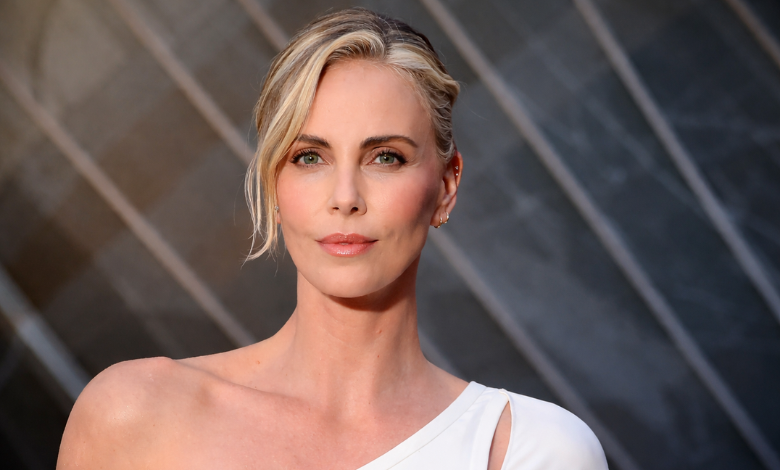
In modern cinema, few performers combine transformation, intensity, and range as convincingly as Charlize Theron. Over the course of her career, she has moved between deeply emotional dramatic roles and physically demanding action performances with equal authority. Her journey from a small town in South Africa to the highest levels of Hollywood success is not only a story of talent, but also of discipline, resilience, and reinvention.
Beyond awards and box office success, Theron is also known for her work as a producer and humanitarian. She has used her influence to support social causes, expand opportunities for new stories, and reshape expectations of what leading actresses can achieve on screen. Her career stands as an example of long-term artistic commitment combined with personal purpose.
Early Life and Background
Charlize Theron was born on August 7, 1975, in Benoni, South Africa, and grew up on a farm outside Johannesburg. She was an only child and was raised in a household where independence and toughness were necessary qualities. Her first language was Afrikaans, and she learned English later through schooling and performance training.
Her childhood included both creative encouragement and serious hardship. A traumatic family incident during her teenage years — when her mother killed her abusive father in an act ruled self-defense — deeply shaped her understanding of strength, survival, and emotional complexity. In later interviews, Theron has explained that this experience influenced how she approaches difficult characters and themes in her acting.
From a young age, she showed strong artistic interest, especially in dance. Ballet became her first serious career path.
Ballet, Modeling, and the Turning Point
Theron trained intensively as a ballet dancer and attended an arts-focused boarding school. Dance taught her body control, discipline, and performance awareness — skills that would later serve her well in film, especially action roles.
At age sixteen, she won a modeling competition that took her to Europe, where she worked in Milan and other cities. Modeling gave her financial independence and travel experience, but she did not see it as her final career. Her true goal remained performance.
A knee injury eventually ended her professional dance ambitions. That setback became a turning point. She moved to the United States, determined to pursue acting instead. What began as a forced change of direction became the foundation of her future success.
Entering Hollywood
Theron arrived in Los Angeles with limited connections but strong determination. A widely repeated story from her early days describes a bank dispute where her emotional insistence caught the attention of a talent agent — leading to her first industry contact. Whether simplified or not, the story reflects a pattern that followed her career: boldness combined with readiness.
Her earliest film roles in the mid-1990s were small, but she quickly gained notice for her screen presence. Films like 2 Days in the Valley and The Devil’s Advocate helped establish her as a rising talent capable of holding her own alongside major stars.
Unlike many performers who are quickly typecast, Theron actively avoided being limited to one image or genre.
Breakthrough and Award-Winning Transformation
Theron’s defining breakthrough came with the film Monster (2003), in which she portrayed real-life serial killer Aileen Wuornos. The role required a complete physical and emotional transformation. She altered her appearance dramatically and delivered a performance that critics described as fearless and deeply human.
The result was historic success. She won the Academy Award for Best Actress, along with multiple major industry awards. The performance changed how the industry viewed her — no longer simply a glamorous lead, but a serious dramatic force willing to take creative risks.
This role established a pattern: she would continue choosing challenging, character-driven projects alongside commercial films.
Range Across Genres
One of Theron’s greatest strengths is range. She has built a filmography that includes courtroom drama, dark comedy, biography, science fiction, and large-scale action.
Her dramatic work includes films centered on social issues, personal crisis, and psychological depth. In several roles, she has portrayed women under pressure — characters facing moral conflict, professional struggle, or emotional collapse.
At the same time, she has become one of the most respected action performers of her generation. In Mad Max: Fury Road, her portrayal of Imperator Furiosa was widely praised and became culturally iconic. The role required intense physical training and stunt performance, proving her commitment to authenticity in physically demanding roles.
She continued this action trajectory in spy thrillers and franchise films, often performing complex fight choreography herself.
Work as a Producer
Theron expanded her influence by moving into production. Through her company, Denver and Delilah Productions, she has helped develop and produce multiple films and streaming projects.
Producing allows her to shape stories from the beginning — selecting scripts, supporting directors, and creating opportunities for narratives that might otherwise struggle to reach funding. This shift reflects a broader industry trend of actors taking creative control, but Theron has been especially active and strategic in this space.
Her production work often highlights complex female leads and unconventional character arcs.
Personal Life and Motherhood
Charlize Theron is a single mother by choice and has adopted two children. She has spoken openly about her decision to build a family independently, emphasizing readiness and commitment over traditional expectations.
She is known for being protective of her children’s privacy while also advocating publicly for acceptance and identity support. Her parenting philosophy centers on respect, openness, and emotional safety.
Unlike many celebrities, she keeps her personal relationships relatively private and does not build her public image around romance or publicity-driven partnerships.
Advocacy and Global Work
Theron’s influence extends beyond film. She founded a charitable organization focused on youth health and HIV/AIDS prevention in Africa. Her outreach programs emphasize education, community partnership, and long-term support rather than short-term publicity.
She has also served in a United Nations ambassador role promoting peace and human dignity. Her advocacy work focuses especially on women, young people, and violence prevention.
Importantly, her activism is not separate from her identity as an artist — she often selects projects and partnerships aligned with her values.
Professional Reputation
Within the film industry, Theron is known as disciplined, prepared, and collaborative. Directors frequently praise her willingness to train extensively and engage deeply with character psychology.
She is also recognized for career longevity — maintaining relevance across decades by evolving her role choices and skill sets. Rather than depending on one type of performance, she continuously adapts.
Her reputation combines three elements:
- Artistic seriousness
- Physical commitment
- Strategic career control
That combination is rare and highly respected.
Legacy and Continuing Impact
Charlize Theron’s career demonstrates that sustained excellence requires reinvention. She has successfully transitioned across genres, industries, and creative roles while maintaining credibility and influence.
Her legacy includes:
- Award-winning dramatic performances
- Iconic action roles
- Producer leadership
- Humanitarian advocacy
- Representation of strong, complex women on screen
She remains an active force in global cinema, with ongoing projects in both film and streaming platforms.
Conclusion
Charlize Theron’s journey from a small-town upbringing in South Africa to international film leadership reflects more than talent alone — it shows discipline, courage, and constant reinvention. She has built a career defined by bold role choices, physical and emotional commitment, and a refusal to be limited by type or expectation. From award-winning dramatic performances to commanding action roles, she has repeatedly demonstrated range and artistic seriousness.
Beyond the screen, her work as a producer and humanitarian adds further depth to her legacy. She has used her influence to support meaningful stories, advocate for vulnerable communities, and promote dignity and opportunity through global outreach efforts. Her personal choices — including independent motherhood and strong privacy boundaries — also reflect a life guided by intention rather than public pressure.
Taken together, her achievements present a modern model of lasting success: creative excellence, social responsibility, and personal authenticity. Charlize Theron remains not only a major figure in cinema, but also an example of how influence can be used with purpose and integrity.
Frequently Asked Questions (FAQs)
Who is Charlize Theron?
Charlize Theron is a South African–American actress and producer known for award-winning dramatic performances and major action roles.
Where was Charlize Theron born?
She was born in Benoni, South Africa, and later became a United States citizen.
What role did Charlize Theron win an Oscar for?
She won the Academy Award for Best Actress for her performance as Aileen Wuornos in Monster (2003).
Is Charlize Theron also a film producer?
Yes. She runs her own production company and produces films and streaming projects.
Does Charlize Theron have children?
Yes. She is a single mother and has adopted two children.