
Introduction: Why Hot Water Systems Are Central to Modern Living
Hot water has become an essential part of daily life, supporting everything from bathing and cooking to cleaning and general household comfort. A properly functioning water heating system ensures convenience, hygiene, and efficiency in every home. However, many homeowners only realize the importance of this system when it starts failing, often at the most inconvenient time. Issues such as inconsistent heating, strange noises, leaks, or complete breakdowns can disrupt daily routines and create unexpected stress.
Over time, every water heating system experiences wear and tear due to continuous use, mineral buildup, pressure fluctuations, and aging components. While regular maintenance can extend its lifespan, there comes a point when repair is no longer sufficient to restore efficiency. At that stage, a complete upgrade becomes necessary, and understanding the process of water heater replacement becomes essential for maintaining long-term comfort and energy efficiency in the home.
Understanding How Water Heating Systems Deteriorate Over Time
Water heating systems are exposed to constant thermal stress and internal pressure, which gradually affects their internal structure. One of the most common issues is sediment buildup at the bottom of the tank, especially in areas with hard water. This sediment reduces heating efficiency, forces the system to work harder, and increases energy consumption over time. As the buildup increases, it can also cause overheating and internal corrosion.
Corrosion is another major factor that contributes to system failure. Even with protective coatings and anode rods designed to reduce rust formation, prolonged exposure to moisture eventually weakens metal components. Once corrosion begins to spread, it becomes increasingly difficult to control, often leading to leaks or complete system failure.
Temperature fluctuations and pressure imbalances can also damage internal components such as valves, thermostats, and heating elements. These issues may start small but tend to worsen gradually, reducing overall performance and reliability. When these problems accumulate, the system becomes inefficient and may no longer meet household demands effectively.
Early Warning Signs That Indicate System Failure
Most water heating systems show warning signs before completely breaking down, but these signs are often ignored or misunderstood by homeowners. One of the earliest indicators is inconsistent water temperature, where hot water may suddenly turn lukewarm or cold during use. This usually signals internal inefficiency or failing components.
Another common sign is unusual noise coming from the system, such as popping, banging, or rumbling sounds. These noises are typically caused by sediment buildup at the bottom of the tank, which traps heat and creates pressure variations during operation. Ignoring these signs can lead to further internal damage.
Leaks around the base of the unit are also a serious warning sign. Even small leaks can indicate structural failure inside the tank, which often cannot be repaired effectively. In such cases, homeowners may need to consider full system evaluation and possible water heater replacement to avoid further damage to surrounding areas.
Additionally, rusty or discolored water is a clear indication that corrosion is occurring inside the tank or pipes. This not only affects water quality but also signals that the system is nearing the end of its functional lifespan.
The Importance of Timely Decision-Making
Delaying action when a water heating system begins to fail often leads to more serious complications. A malfunctioning system can increase energy consumption, raise utility bills, and create safety hazards such as water damage or electrical issues. In some cases, older systems may also pose risks of sudden failure, which can cause flooding or damage to surrounding infrastructure.
Making a timely decision ensures that homeowners avoid unnecessary expenses and disruptions. Instead of continuously investing in temporary fixes that only provide short-term relief, addressing the root cause allows for long-term stability and improved efficiency. This is especially important when the system is beyond economical repair and no longer performs at optimal levels.
When systems reach this stage, considering water heater replacement becomes a practical solution that restores efficiency, improves safety, and ensures consistent hot water supply without recurring issues.
Choosing the Right System for Long-Term Efficiency
Selecting a new water heating system requires careful consideration of household needs, energy efficiency ratings, and available space. Different systems operate using various technologies, including traditional tank-based models and modern tankless systems. Each option offers unique advantages depending on usage patterns and budget.
Tank-based systems store heated water for immediate use, making them suitable for households with consistent and high water demand. However, they may consume more energy due to continuous heating cycles. On the other hand, tankless systems provide hot water on demand, improving energy efficiency and reducing standby energy loss.
Energy efficiency ratings play a crucial role in determining long-term operating costs. Systems with higher efficiency ratings typically consume less energy, resulting in lower utility bills over time. Homeowners should also consider capacity, recovery rate, and installation requirements before making a final decision.
A well-planned upgrade ensures that the new system meets both current and future household needs while providing reliable performance for years to come.
Installation Process and Professional Expertise
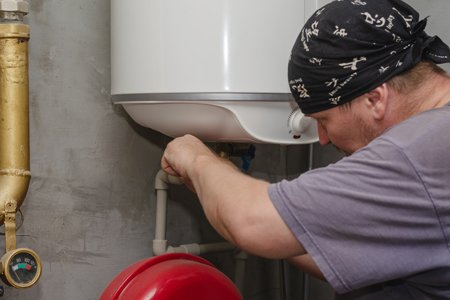
Proper installation is one of the most critical factors in ensuring the long-term performance of a water heating system. Even high-quality units can underperform if installed incorrectly. Professional technicians follow specific procedures to ensure safety, efficiency, and compliance with technical standards.
The installation process typically involves removing the old system, preparing the installation area, connecting plumbing and electrical or gas lines, and testing the new unit for proper functionality. Each step requires precision and expertise to prevent leaks, pressure issues, or safety hazards.
Professional handling ensures that the system operates at optimal efficiency from the beginning. It also reduces the risk of future breakdowns caused by installation errors. This is why many experts recommend professional involvement rather than attempting complex installations without proper training.
In many cases, homeowners rely on expert services during water heater replacement to ensure that all technical aspects are handled correctly and safely, minimizing risks and maximizing system lifespan.
Energy Efficiency and Cost Savings Benefits
Modern water heating systems are designed with energy efficiency in mind, helping homeowners reduce long-term operational costs. Advanced insulation, improved heating elements, and smart temperature controls contribute to lower energy consumption without compromising performance.
Efficient systems heat water faster and maintain temperature more effectively, reducing the need for continuous operation. This not only lowers electricity or gas usage but also reduces strain on internal components, extending the system’s lifespan.
Over time, energy-efficient systems provide significant cost savings, making them a valuable investment for households. Reduced utility bills combined with improved performance make modern systems more economical in the long run compared to older, inefficient units.
Maintenance Practices for Extended Lifespan
Regular maintenance plays a vital role in extending the life of any water heating system. Simple tasks such as flushing the tank, checking pressure valves, and inspecting connections can significantly improve performance and prevent major issues.
Flushing the tank helps remove sediment buildup, which is one of the leading causes of inefficiency and internal damage. Checking safety valves ensures that pressure levels remain stable and within safe limits. Inspecting connections helps detect leaks early before they cause serious damage.
Consistent maintenance reduces the likelihood of sudden failures and improves system reliability. However, even with proper care, every system eventually reaches the end of its functional lifespan, at which point replacement becomes the most effective solution.
Safety Considerations and Risk Prevention
Water heating systems involve high temperatures, pressure, and in some cases gas or electrical connections, making safety a critical concern. Faulty systems can pose risks such as leaks, burns, electrical hazards, or even structural damage if left unattended.
Professional inspection ensures that all safety mechanisms are functioning properly. Pressure relief valves, thermostats, and heating elements must be regularly checked to prevent unsafe conditions. Homeowners should avoid attempting complex repairs without proper knowledge, as this can increase the risk of accidents or further damage.
Prioritizing safety not only protects individuals but also ensures the long-term reliability of the system. Proper handling and regular inspections reduce potential hazards and improve overall peace of mind.
Environmental Impact and Sustainable Solutions
Modern water heating systems are designed to be more environmentally friendly compared to older models. Improved energy efficiency reduces overall resource consumption, lowering carbon emissions and environmental impact.
Tankless systems, in particular, contribute to sustainability by heating water only when needed, eliminating standby energy loss. This makes them a popular choice for environmentally conscious homeowners.
Choosing energy-efficient systems during water heater replacement also supports long-term sustainability goals while reducing household energy consumption. This balance between performance and environmental responsibility is becoming increasingly important in modern home design.
Long-Term Value and Home Comfort
A reliable water heating system directly contributes to overall home comfort and daily convenience. Consistent hot water supply enhances quality of life and supports essential household activities without interruption.
Upgrading to a modern system improves reliability, reduces maintenance requirements, and enhances overall performance. Over time, this leads to greater satisfaction, fewer disruptions, and improved household efficiency.
Investing in a new system is not just about replacing outdated equipment but also about improving long-term comfort and stability within the home.
Conclusion: Ensuring Reliable Performance Through Smart Decisions
Water heating systems are essential components of modern living, and their performance directly affects daily comfort and convenience. Understanding how these systems deteriorate, recognizing early warning signs, and taking timely action are all crucial steps in maintaining efficiency and safety.
When systems reach the end of their lifespan, considering water heater replacement becomes the most practical and cost-effective solution. It ensures improved performance, better energy efficiency, and long-term reliability. Another well-planned water heater replacement can also prevent recurring issues and reduce unnecessary repair costs.
By focusing on proper selection, professional installation, regular maintenance, and timely upgrades, homeowners can ensure consistent hot water supply and long-term system reliability. Ultimately, making informed decisions about system care and replacement leads to improved comfort, safety, and efficiency throughout the home for many years to come.