
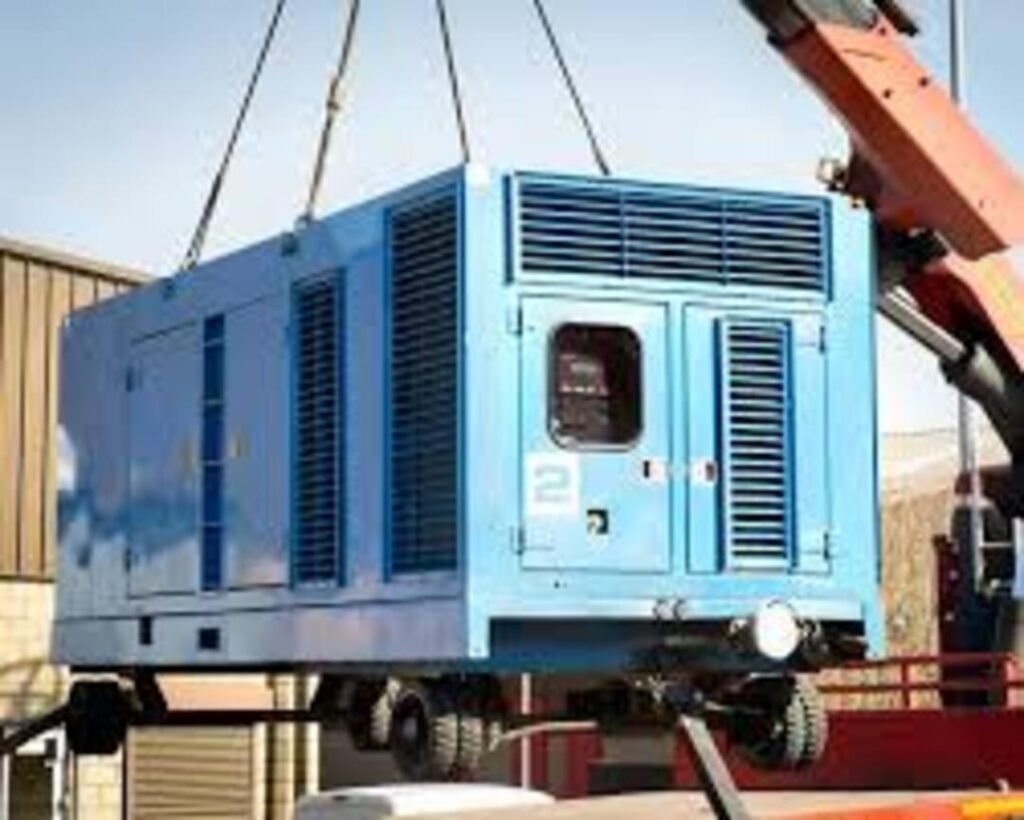

What does it mean to power performance on site? It means keeping work moving without interruption.
Power must be available at all times, without fluctuation, so that machines can run properly. Generators provide this energy and allow machinery to run without relying on an external source. Air compressors then use this energy and turn it into pressurized air that tools need to work.
When both systems sync well, tasks continue smoothly and the day flows accordingly.
Relationship Between Generators and Air Compressors
Generators and air compressors work together as one system. The generator creates the energy that allows equipment to run. The compressor takes that energy and turns it into air pressure that tools can use. This link stays active throughout the operation. When the generator provides steady power, the compressor delivers consistent air pressure. If the power supply becomes unstable, the compressor starts to struggle and loses efficiency.
This directly affects how tools perform during work. Pneumatic tools depend on a steady flow of air to operate properly. When the compressor cannot maintain that flow, tool performance begins to drop. Tasks take longer and the work becomes uneven.
How Generators Help Power Air Compressors
A generator produces electrical energy through fuel combustion. This energy drives the motor inside the compressor. The motor then compresses air and stores it under pressure. That stored air becomes the working force for various tools.
This process requires careful balance. Compressors demand a higher surge of power when they start. If the generator cannot handle this demand, the system becomes unpredictable. The compressor may fail to start under strain. A generator with the right capacity allows the compressor to receive a steady supply of power from the moment it starts until the work is complete. This helps the compressor to maintain consistent air pressure.
Functional Role of a Portable Air Compressor on Site
A portable air compressor supports work that does not stay in one place. It allows teams to move across the site without losing access to compressed air. This flexibility becomes important when tasks spread over different areas or when fixed systems cannot reach the required location.
Workers use portable compressors for drilling, fastening, surface cleaning, and other pneumatic tasks. The unit delivers pressurized air wherever it is needed. This reduces the need to relocate heavy equipment again and again. It also allows work to continue in sections. The portability adds control, lining up tasks with the pace of the project.
What to Consider Before Installing a Generator for Air Compressors?
A clear understanding of site requirements should guide generator selection. Here are some factors to consider before you opt for your equipment:
- Start by understanding how much power the air compressor will need. Check both running load and starting load. Compressors often need more power at start. If this is ignored, the generator may struggle from the first use.
- Choose a generator that can handle the compressor without strain. It should support the full load comfortably. An undersized unit will cause interruptions. An oversized one will lead to unnecessary fuel use.
- Make sure there is enough room to place the generator safely. It should not block movement or create difficulty for workers. The area should allow easy access when needed.
- Generators produce heat during operation. Place the unit where air can circulate freely. Poor airflow can affect performance and may lead to overheating.
- The generator should be easy to refuel during work hours. If fuel access becomes difficult, it can stop operations and delay tasks.
- Place the generator on a flat and firm surface. Uneven ground can affect its operation and may cause safety concerns.
- Generators can be loud. Think about nearby work areas and how noise may affect workers. Proper placement can reduce disturbance.
How Correct Pairing Systems Prevents Waste
Correct pairing starts with a clear understanding of how the generator and the air compressor will work together. The generator should support not only the normal operating needs of the compressor but also the higher power required during start-up.
The generator must also provide the right voltage and output that the compressor requires. When this match is correct, energy flows smoothly and the compressor operates without stress. If there is a mismatch, the system tries to adjust, which leads to inefficiency.
This balance ensures that energy is used where it is needed. It avoids unnecessary load and reduces waste. It also allows the system to perform in a more efficient and organized way throughout the work cycle.
Conclusion
An air compressor has a direct impact on how work is carried out on site. It takes the available power and turns it into usable force that helps tools perform their tasks. This role becomes clear during active work when tools need to respond properly and without delay.
When the compressor receives power from a reliable source, teams stay focused on their tasks. This link between power and its use supports the overall system. When both parts work well together, the site runs in a smooth and organized manner.